
Have you ever walked into your basement only to be hit with a musty odor or spotted unusual stains on the walls? Maybe you’ve noticed a spike in your utility bills or been bothered by an increase in basement bugs. These could be tell-tale signs that your basement needs immediate waterproofing. Neglecting these signs not only risks structural damage to your home but also potential health hazards. Yet, how do you accurately identify these indicators, and what’s the best course of action? Let’s explore the specifics.
Key Takeaways
- Musty odors in your basement often indicate excessive moisture and the need for immediate waterproofing.
- Water stains on surfaces or efflorescence on walls suggest water infiltration and potential structural issues.
- Cracked or damp walls are clear signs of serious moisture problems that require immediate waterproofing.
- The presence of mold, mildew, or fungi growth is a sign of a damp basement needing waterproofing to prevent health risks.
- Increasing utility bills due to energy inefficiency and appliance malfunctions can indicate a damp basement that needs waterproofing.
Recognizing Musty Odors
A telltale sign of a potential basement water issue is the presence of musty odors. You might dismiss this smell as just a quirk of your old basement, but don’t be too quick to ignore it. This distinctive scent can be an early warning sign of more serious issues lurking in your basement.
Musty odors often originate from the growth of bacteria in damp environments. When your basement has poor ventilation and excess moisture, these conditions encourage bacterial growth, which in turn produces the musty smells.
So, you see, that smell isn’t just unpleasant; it’s a red flag that there’s too much moisture in your basement.
And why’s that a problem? Prolonged exposure to damp conditions can damage the structural integrity of your home. It can cause wood to rot, metals to rust, and concrete to deteriorate.
All this weakening of your home’s structure can lead to costly repairs down the line.
Discovering Mold and Mildew
After you’ve sniffed out a musty odor, the next step in your basement investigation might lead you to find mold and mildew. These are telltale signs of a moisture problem. If you spot clusters of black, green, or white particles on your basement walls, floors, or stored items, you’re likely dealing with mold or mildew.
Mold and mildew are types of fungi that thrive in damp, dark conditions, like those found in an improperly waterproofed basement. They’re more than just unsightly; they can damage your home’s structure and pose health risks. Continual exposure can cause allergic reactions and respiratory issues, particularly in those with weakened immune systems.
Your best defense against these moisture-loving nuisances is to keep your basement dry with proper waterproofing methods. It’s not enough to simply clean the visible mold and mildew; you must address the underlying moisture problem to prevent future growth.
If you’ve found mold or mildew in your basement, it’s a surefire sign that your basement needs immediate waterproofing. Bring in a professional to assess the situation and recommend the best course of action. Act promptly to protect your home and your health.
Presence of Water Stains
Moving from mold and mildew, another clear sign your basement needs waterproofing is the presence of water stains.
You’ll often spot these unsightly blemishes on floors, walls, or ceilings. They’re typically discolored patches that can range from a slight yellowish tint to a dark brown hue. If you’ve noticed an increasing number of these, it’s not something you should ignore.
Water stains indicate that moisture is seeping into your basement, a clear sign that your current waterproofing system isn’t doing its job. The staining might be a result of a leak in your plumbing system, but it could also point to a more serious issue like a foundation crack.
Either way, it suggests that water is finding a way into your basement, and this can ultimately lead to more significant problems like structural damage or a mold outbreak.
You can’t just scrub these stains away and hope for the best. They’re a symptom of a larger issue that needs to be addressed.
Waterproofing your basement will help keep the space dry and free from these unsightly, damaging stains. Don’t wait until the problem worsens. Seek professional help and get your basement waterproofed immediately.
Detecting Efflorescence
Without a doubt, spotting efflorescence in your basement should ring alarm bells. Efflorescence is a white, powdery substance that you might see on your basement walls or floor. It’s not harmful to your health, but it’s a telltale sign that your basement has a moisture problem that needs immediate attention.
Efflorescence forms when water enters through the concrete, carrying with it dissolved salts. When the water evaporates, it leaves these salts behind. The result is a chalky deposit that might look like frost. While it can be easily brushed off, you shouldn’t ignore it.
It’s not the efflorescence itself that’s the problem, but rather what it indicates: water is infiltrating your basement.
To detect efflorescence, inspect your basement carefully. Use a flashlight to go over every inch of your walls and floor. If you notice any white or greyish powder, that’s efflorescence.
Don’t just brush it away and forget about it. It’s a sign that your basement needs waterproofing, and fast. Ignoring it won’t make the problem go away, it’ll only make it worse.
Cracked or Damp Walls
Peering closely, you might notice cracks or damp spots on your basement walls.
These aren’t just aesthetic issues, they’re potential red flags signaling your basement needs immediate waterproofing.
Cracks, whether hairline or wider, could indicate a serious structural problem.
Water pressure from the outside could be forcing its way in, causing the walls to crack.
Over time, these cracks can widen, allowing more water to seep through.
Damp spots, on the other hand, show that water is already penetrating your basement walls.
It’s essential not to ignore these signs.
Here’s what you can do:
- Inspect Regularly: Check your basement walls for cracks or dampness regularly, especially during rainy seasons.
- Seal Cracks: Minor cracks can be sealed using a waterproofing compound. If you’re unsure, consult a professional.
- Use a Dehumidifier: This can help control moisture levels and prevent damp spots from spreading.
- Professional Waterproofing: If the problem persists or the damage is severe, call in a professional to waterproof your basement.
Persistent Basement Dampness
Persistent dampness in your basement isn’t just an inconvenience, it’s a signal of a larger issue that needs addressing.
Understanding where this moisture is coming from, and the possible causes, is essential in tackling the problem effectively.
Identifying Moisture Problems
In the domain of basement care, one of the first signs that you might need waterproofing is a recurring issue of dampness.
It’s essential to recognize the symptoms early to prevent extensive damage and costly repairs.
Your basement’s moisture problems might manifest in several ways:
- Condensation: If you’re spotting damp walls, floors, pipes, or metal fixtures, that’s a telltale sign of condensation. It often results in a musty odor, a common indicator of moisture problems.
- Efflorescence: This white, powdery substance on your walls or floors isn’t harmful itself, but it’s a sign that water is seeping in and evaporating, leaving behind mineral deposits.
- Mold or Mildew: These fungi need moisture to grow. If you find them in your basement, it’s a clear sign that there’s an excess of moisture present.
- Water Stains: These can appear on your basement floor or walls. Even if they’re dry to touch, they indicate past water seepage.
Being vigilant about these signs can help you catch moisture issues early.
If you identify any of these problems, it’s time to look into waterproofing your basement immediately.
Causes of Dampness
Without proper waterproofing, your basement can quickly become a breeding ground for dampness, leading to an array of issues. Several factors contribute to this persistent dampness.
First, external water sources, such as heavy rains or snowmelt, can penetrate your basement if it’s not adequately waterproofed. If your home’s landscaping doesn’t properly divert water away, it can pool around your home’s foundation and seep in.
Faulty or clogged gutters also direct water towards your foundation, increasing the risk of dampness.
Secondly, improper ventilation can lead to high humidity levels, another common cause of basement dampness. If your basement is poorly ventilated, the moisture in the air can’t escape, creating an ideal environment for dampness to thrive.
Lastly, internal sources, such as leaking pipes or appliances, can also contribute to dampness. Even minor leaks can cause significant moisture buildup over time.
In essence, persistent dampness is often the result of a combination of these factors. Recognizing these causes can help you identify the need for immediate waterproofing, ensuring your basement remains dry and damage-free.
Dampness Impact on Health
Understanding the causes of dampness in your basement is just the first step.
Now, let’s explore how this persistent dampness can impact your health.
Living in a damp environment can lead to a myriad of health issues, especially those related to the respiratory system.
Here are four key health risks associated with a damp basement:
- Allergic Reactions: Dampness encourages the growth of mold and mildew. Exposure to these can cause sneezing, skin rashes, and even severe allergic reactions.
- Asthma: If you’re asthmatic, a damp basement can worsen your symptoms. The damp environment facilitates the breeding of dust mites, a common trigger for asthma attacks.
- Respiratory Infections: Prolonged exposure to a damp environment can lead to respiratory infections. These include bronchitis and pneumonia.
- Toxic Mold Syndrome: In rare cases, exposure to certain molds can lead to a serious condition known as toxic mold syndrome.
Don’t underestimate the potential health risks of a damp basement.
It’s not just about the structural damage to your home, but about safeguarding your health too.
If you notice persistent dampness, act immediately.
Waterproofing your basement is a step you can’t afford to delay.
Increase in Utility Bills
A sudden spike in your utility bills mightn’t always be due to increased usage. It could be a sign that your basement needs immediate waterproofing. When water seeps into your basement, it can make your home less energy-efficient.
How? It’s simple. The infiltration of water can affect your home’s insulation, causing your heating or cooling system to work harder to maintain a comfortable temperature. Fundamentally, you’re paying more to heat or cool your home.
Water leakage can also lead to electrical issues that increase your utility bills. Persistent dampness can cause electrical wiring to short circuit, leading to higher energy consumption. The dampness may also damage appliances stored in the basement, causing them to run inefficiently and consume more power.
Stay on the lookout for a sudden increase in your utility bills, as it’s not always about the extra time spent at home or the new appliances you’ve added. It could be your basement crying out for help.
Immediate waterproofing can solve these issues, making your home more energy-efficient and potentially saving you a considerable amount on your utility bills. Don’t wait for the problem to escalate; it’s time to take action.
Unusually High Humidity Levels
If you’re noticing a damp, musty smell in your basement, this could be a sign of high humidity levels.
Over time, this excess moisture can damage the structural integrity of your basement, leading to costly repairs.
Don’t worry, though; there are effective solutions to reduce humidity and protect your basement from potential harm.
Identifying Humidity Symptoms
Detecting unusually high levels of humidity in your basement can be an early warning sign of potential water damage.
It’s important to know the symptoms of excessive humidity, which may range from subtle hints to more obvious signs.
To help you identify these symptoms, here’s a list:
- Condensation: If you’re noticing beads of water on pipes or windows, or damp spots on floors or walls, it’s a sign of high humidity levels. They’re forming because of the temperature difference between your basement and the outdoors.
- Musty odors: A damp, musty smell is another red flag. It indicates the presence of moisture and potentially, mold growth.
- Rust: Check metal objects in your basement. If they’re rusting, it’s due to moisture in the air.
- Allergy symptoms: High humidity can increase the concentration of allergens like dust mites, leading to worsening allergy symptoms.
Effects on Basement Structures
While identifying humidity symptoms in your basement is essential, it’s equally important to understand the effects of such unusually high humidity levels on your basement structures. Prolonged exposure to excessive moisture can trigger a host of structural problems.
You might notice your wooden structures beginning to warp, buckle or rot. This is because wood absorbs moisture, causing it to expand and contract, destabilizing the structure.
You’ll also see metal components rusting and weakening, a consequence of the oxidation process accelerated by humidity. Your concrete walls, too, aren’t immune. They could develop cracks or efflorescence, that chalky white salt deposit that forms when water seeps through masonry.
Everything from your floor joists to wall studs can be affected, compromising the integrity of your entire home. Even your insulation might suffer, losing its effectiveness when damp, which in turn could spike your energy bills.
High humidity also encourages mold growth, a health hazard that can cause allergies and respiratory issues. Plus, pests like termites and cockroaches are attracted to damp environments, posing another risk.
In short, neglecting high humidity in your basement isn’t just about discomfort—it’s a threat to your home’s safety and your health.
Solutions for High Humidity
Addressing high humidity in your basement isn’t an insurmountable challenge.
In fact, by implementing strategic measures, you can effectively control the moisture level and safeguard your basement from potential damage.
Let’s explore some practical solutions that can assist you in this endeavor.
- Invest in a Dehumidifier: This is an essential tool in combating high humidity.
Dehumidifiers extract excess moisture from the air, maintaining an ideal humidity level.
Choose a model that’s appropriate for the size of your basement.
- Improve Ventilation: Enhancing the airflow in your basement can drastically reduce humidity levels.
Consider installing exhaust fans or vents to promote better air circulation.
- Insulate Your Pipes: Condensation on cold pipes can increase humidity.
By insulating your pipes, you prevent condensation, consequently reducing the moisture content in the air.
- Waterproof Your Basement: Waterproofing methods like sealing cracks, installing a sump pump, or applying a waterproof coating can prevent water intrusion, afterward controlling humidity.
Structural Damage to Foundation
If you’re noticing cracks or unevenness in your basement’s foundation, it’s a clear sign that you need to contemplate waterproofing. This structural damage can be a result of water seeping into your foundation, causing it to weaken over time.
It’s not something you should ignore; it could potentially lead to your home’s structural integrity being compromised.
Water seepage can occur due to poor drainage, soil movement, or simply age. Tiny hairline cracks may seem harmless, but they’re a gateway for water to enter your home.
When water freezes, it expands, causing the cracks to widen. This cycle of freezing and thawing can cause serious structural damage.
Existence of Basement Bugs
Another sign your basement may need waterproofing is the presence of bugs. Yes, you read that right. Bugs. It might seem like an odd correlation, but it’s true. These pesky critters can indicate a moisture problem in your basement.
- Silverfish: These bugs thrive in damp, humid environments. If you start spotting silverfish in your basement, it’s a clear sign of excessive moisture.
- Centipedes: While they can give you quite a scare, centipedes are actually moisture hunters. They’re drawn to damp, wet areas, so their presence could mean your basement is too wet.
- Carpenter Ants: Unlike other ants, carpenter ants are attracted to wood that’s been damaged by water. If you see them, it’s time to check for leaks or seepage.
- Mold Mites: These tiny bugs feed on mold, which, as you know, grows in moist environments. Find these, and you’ve got a moisture problem.
Don’t dismiss bugs as just an annoyance. They’re telling you something.
Listen to what they’re saying and get your basement waterproofed as soon as possible. Your home, and your peace of mind, will thank you.
Frequently Asked Questions
What Are the Health Risks Associated With a Non-Waterproofed Basement?
You’re at risk of developing respiratory issues due to mold and mildew growth. Prolonged exposure can lead to allergies or asthma. Dampness also attracts pests, which can carry diseases. It’s essential to address this issue promptly.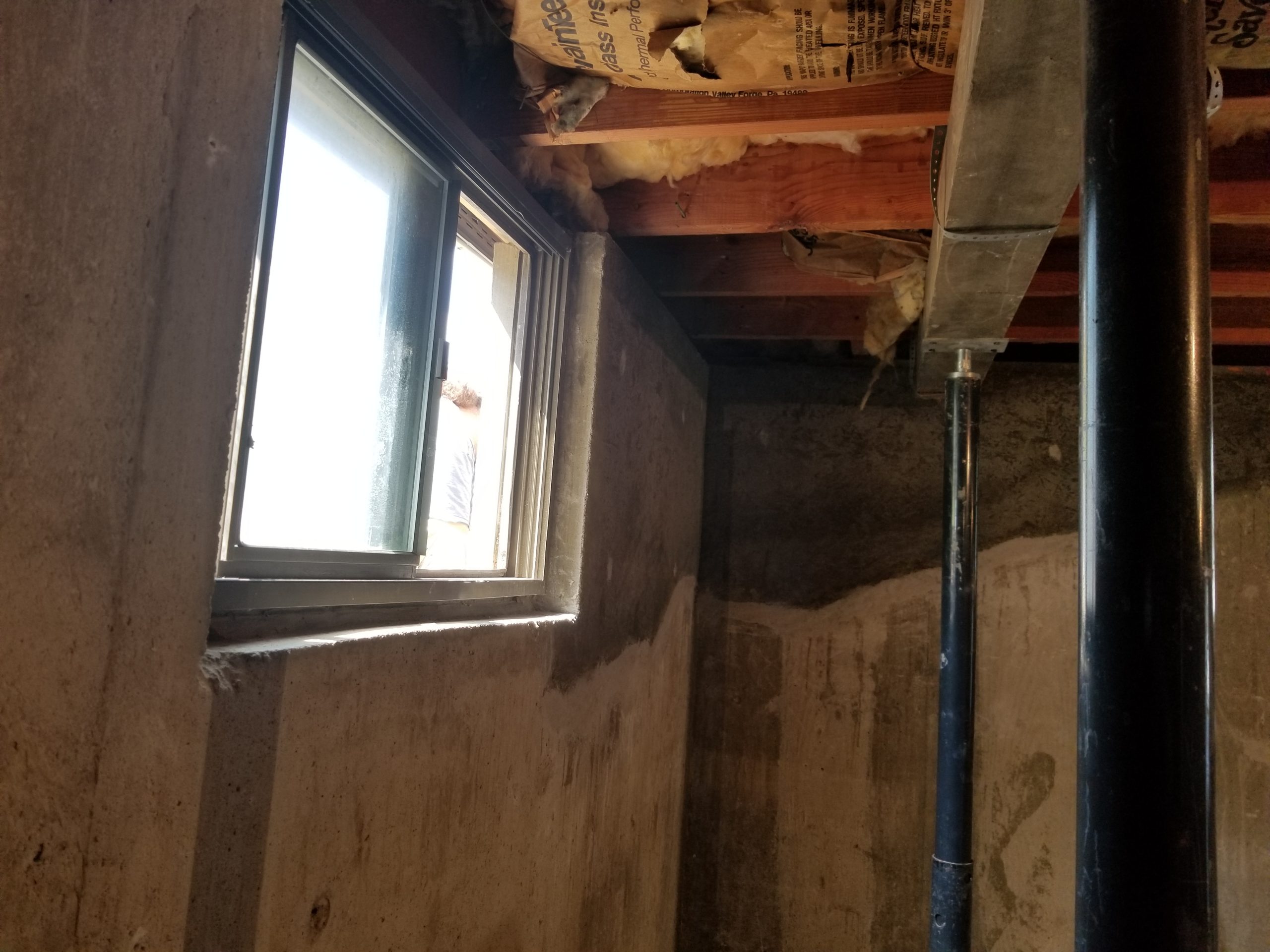
How Much Does Professional Basement Waterproofing Typically Cost?
Maneuvering the maze of home improvements isn’t easy. On average, you’re looking at a range of $3,000 to $9,000 for professional basement waterproofing. Of course, it can vary based on size, severity, and contractor rates.
Can Amateur DIY Methods Effectively Waterproof My Basement?
While you might tackle minor dampness with DIY methods, they’re not always effective for serious issues. Professional waterproofing guarantees a thorough job and tackles underlying problems you might miss. It’s worth the investment for peace of mind.
How Long Does a Typical Basement Waterproofing Process Take?
You’re wondering about the duration of basement waterproofing. Typically, it’s a week-long process, but it can extend due to the severity of the issue. Always remember, quality work takes time, don’t rush the process.
What Are Some Preventive Measures to Avoid the Need for Basement Waterproofing?
To prevent needing basement waterproofing, you should regularly check for cracks, maintain your gutters, and guarantee your property slopes away from your home. Don’t forget to install a sump pump for water emergencies.
Conclusion
Ignoring signs of wetness in your basement is like disregarding the check engine light in your car. It only leads to bigger problems down the line. Recent data suggests that unresolved water damage can decrease a home’s value by up to 25%. Don’t let your investment go down the drain. Take immediate action at the first sniff of musty odor, sight of efflorescence, or emergence of mold. Waterproof your basement promptly to secure your home’s health, structure, and value.


