A sump pump is a device installed in the lowest part of a basement or crawl space to prevent flooding by removing excess water. It is a critical component of many basement waterproofing systems, especially in homes prone to flooding or water infiltration. Sump pumps help protect your home’s foundation, prevent basement water damage, and safeguard against mold and mildew growth by keeping the area dry.
This guide covers how sump pumps work, the different types, their installation, maintenance, and why they are essential for a dry and safe basement.
How Does a Sump Pump Work?
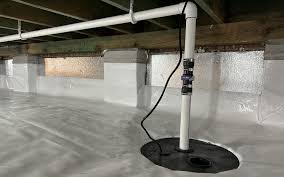
A sump pump is typically installed in a pit, known as a sump basin, which is dug into the lowest point of your basement or crawl space. The sump basin collects water that either comes from the ground surrounding the foundation or is directed there by a drainage system (such as French drains or interior drain tile systems).
Here’s a step-by-step overview of how a sump pump works:
- Water Accumulation in the Sump Basin: Water from the ground or drainage systems enters the sump basin. As the water level rises, the sump basin acts as a reservoir, collecting the excess water to prevent it from spreading throughout the basement.
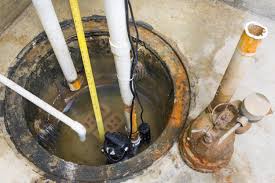
- Automatic Activation: Most sump pumps are equipped with a float switch that monitors the water level in the sump basin. Once the water reaches a certain level, the float switch triggers the sump pump to turn on.
- Pumping the Water Out: The pump activates and begins moving the water out of the sump basin. A discharge pipe directs the water away from your home, usually at a safe distance from the foundation, ensuring that it doesn’t flow back into the basement.
- Automatic Shut-Off: Once the water level in the sump basin drops back below a certain point, the float switch deactivates the pump, and it shuts off until more water accumulates.
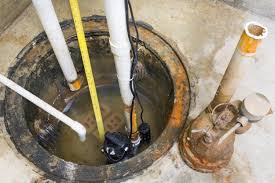
By automatically pumping water out, sump pumps prevent basement flooding and excessive moisture buildup, keeping your basement dry and safe.
Types of Sump Pumps
There are two primary types of sump pumps: submersible and pedestal. Each has its own benefits and is suited to different basement conditions.
- Submersible Sump Pumps
How They Work:- Submersible sump pumps are designed to be placed directly inside the sump basin and are submerged in water when in operation.
- The motor is sealed to prevent water damage, and because the pump sits below the water line, it operates quietly.
- Advantages:
- Submersible pumps are quieter since they are fully underwater when operating.
- They tend to be more efficient at pumping large volumes of water in a short amount of time.
- Because they are submerged, they save space and are less visible in the basement.
- Disadvantages:
- These pumps tend to be more expensive than pedestal pumps.
- They may have a shorter lifespan compared to pedestal pumps, as constant submersion can wear down internal components.
- Pedestal Sump Pumps
How They Work:- Pedestal sump pumps have a motor that sits above the sump basin, while the pump sits inside the pit. A pipe connects the motor to the pump.
- Since the motor is located above the water line, it’s easier to access for maintenance and repairs.
- Advantages:
- Pedestal pumps are generally less expensive than submersible pumps.
- They typically have a longer lifespan because the motor is not submerged and therefore less exposed to moisture and water damage.
- Easier access to the motor makes maintenance and repairs simpler.
- Disadvantages:
- Pedestal pumps are noisier because the motor is located above the pit and isn’t insulated by water.
- The motor and shaft are more visible, which may detract from the basement’s appearance.
Backup Sump Pumps
In addition to primary sump pumps, many homeowners install backup sump pumps to ensure protection during power outages or when the primary pump fails. Backup pumps can be powered by:
- Battery Backup:
- A battery backup sump pump uses a rechargeable battery to operate if the power goes out. These systems kick in automatically during power failures, ensuring the basement stays dry even when the primary sump pump cannot run.
- Water-Powered Backup:
- A water-powered backup sump pump uses water pressure from your home’s plumbing system to create the suction needed to pump out water. These systems don’t rely on electricity, making them ideal for areas prone to frequent power outages.
Backup sump pumps provide peace of mind, especially during heavy storms when power outages are common, and you rely on the sump pump to prevent flooding.
Installation of a Sump Pump
Installing a sump pump is best done by a professional, as it requires specific tools and knowledge to ensure it functions properly and efficiently. However, a basic overview of the installation process includes:
- Choosing the Location:
- Digging the Sump Basin:
- A hole is dug for the sump basin, large enough to accommodate the sump pit liner (typically a plastic or concrete basin). The pit needs to be deep enough to allow proper water collection and pump function.
- Installing the Sump Basin:
- The liner is installed in the hole, and gravel is added around it to help filter water and provide stability.
- Installing the Pump:
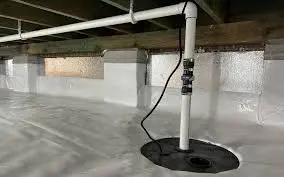
- The sump pump is placed inside the basin (submersible pumps go into the water; pedestal pumps are mounted with the motor outside the basin). The discharge pipe is connected to the pump, running vertically and out of the home through the wall.
- Routing the Discharge Line:
- The discharge pipe should direct water away from the foundation and ideally be connected to a storm drain, a dry well, or a safe area at least 10–15 feet from the house.
- Installing a Check Valve:
- A check valve is installed on the discharge line to prevent water from flowing back into the sump basin after it has been pumped out. This ensures that the pump does not have to handle the same water multiple times.
- Testing the System:
- After installation, the system is tested by filling the sump basin with water to ensure the pump activates and the water is properly discharged outside the home.
Maintenance of a Sump Pump
Regular maintenance is crucial to ensure that your sump pump continues to function properly and lasts for years. Here are some key maintenance tasks:
- Test the Pump Regularly:
- Every few months, pour water into the sump basin to ensure the pump activates and discharges water properly. Listen for unusual noises that could indicate a problem with the motor or pump.
- Clean the Sump Basin:
- Over time, debris can accumulate in the sump basin, potentially clogging the pump or discharge pipe. Cleaning the basin at least once a year helps prevent blockages and prolongs the life of the pump.
- Check the Float Switch:
- The float switch is a critical component of the sump pump, as it triggers the pump when the water level rises. Ensure the float moves freely and is not obstructed by debris.
- Inspect the Discharge Line:
- Check the discharge line for clogs or damage, particularly after heavy rains or winter freezing. Ensure that water is being properly directed away from the foundation.
- Battery Backup Maintenance:
- If you have a battery backup sump pump, test the battery regularly to ensure it holds a charge. Replace the battery every 3–5 years, depending on the manufacturer’s recommendations.
Why You Need a Sump Pump
- Flood Prevention:
- Sump pumps are designed to prevent flooding, protecting your basement from water damage. This is particularly important in areas prone to heavy rainfall or where the water table is high.
- Mold and Mildew Prevention:
- Moisture in the basement can lead to mold and mildew growth, which can cause health problems and structural damage. A sump pump helps maintain a dry environment, reducing the risk of mold.
- Foundation Protection:
- Excess water around the foundation can weaken the structure over time. By removing water from the basement and preventing it from pooling around the foundation, a sump pump helps maintain the structural integrity of your home.
- Property Value:
- A functional sump pump system is a selling point for homes in flood-prone areas. Prospective buyers are more likely to consider a home with a properly installed and maintained sump pump system as secure against water damage.
A sump pump is an essential tool for homeowners looking to protect their basements from water damage. Whether you live in an area prone to heavy rainfall or have a basement susceptible to water infiltration, a well-maintained sump pump can prevent flooding, preserve your home’s structural integrity, and provide peace of mind. By understanding the different types of sump pumps, how they work, and the importance of regular maintenance, you can ensure that your home remains dry and safe for years to come.
Contact the Professionals at SURE-DRI Basement Waterproofing Today! (540) 917-5543