Basement drainage and waterproofing are two essential processes for maintaining the structural integrity and livability of a home. Water damage in basements is a common issue that can lead to severe problems like foundation instability, mold growth, and the loss of usable living space. By employing proper drainage and waterproofing techniques, homeowners can protect their homes from moisture intrusion, improve indoor air quality, and prevent costly repairs in the future.
This article provides an in-depth look at basement drainage systems and waterproofing methods, examining how each process works and the critical role they play in safeguarding your home.
The Importance of Basement Drainage
Water naturally gravitates toward the lowest point in a structure, which is often the basement. Without a proper drainage system, water can collect around the foundation, leading to increased hydrostatic pressure. This pressure can force water through cracks or porous materials in the basement walls and floor. Over time, this causes significant structural damage, mold growth, and general deterioration of the basement space.
Effective basement drainage systems are designed to prevent these problems by directing water away from the foundation and ensuring that it doesn’t accumulate around or inside the home.
Key Basement Drainage Systems
- Exterior Drainage: French Drains
One of the most common and effective drainage systems is the French drain, which is typically installed outside the home around the perimeter of the foundation. The French drain consists of a trench filled with gravel and a perforated pipe that collects and redirects water away from the foundation.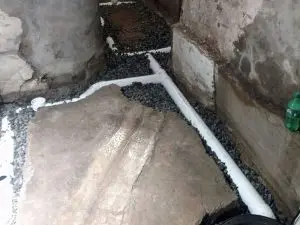
How It Works:- The trench is dug around the foundation at a slope to ensure proper water flow.
- Gravel is used to fill the trench, which acts as a filter to prevent debris from clogging the drain pipe.
- Water that collects in the soil around the foundation flows into the perforated pipe and is directed to a drainage point, such as a sump pump or storm drain.
- Benefits:
- French drains help to reduce hydrostatic pressure on basement walls, preventing leaks and seepage.
- When installed correctly, they provide long-term protection against water intrusion.
- Limitations:
- The installation process can be costly and labor-intensive, requiring excavation around the home’s perimeter.
- It may not be practical for homes with limited space around the foundation or in areas with heavy landscaping.
- Interior Drainage: Weeping Tiles and Drain Tile Systems
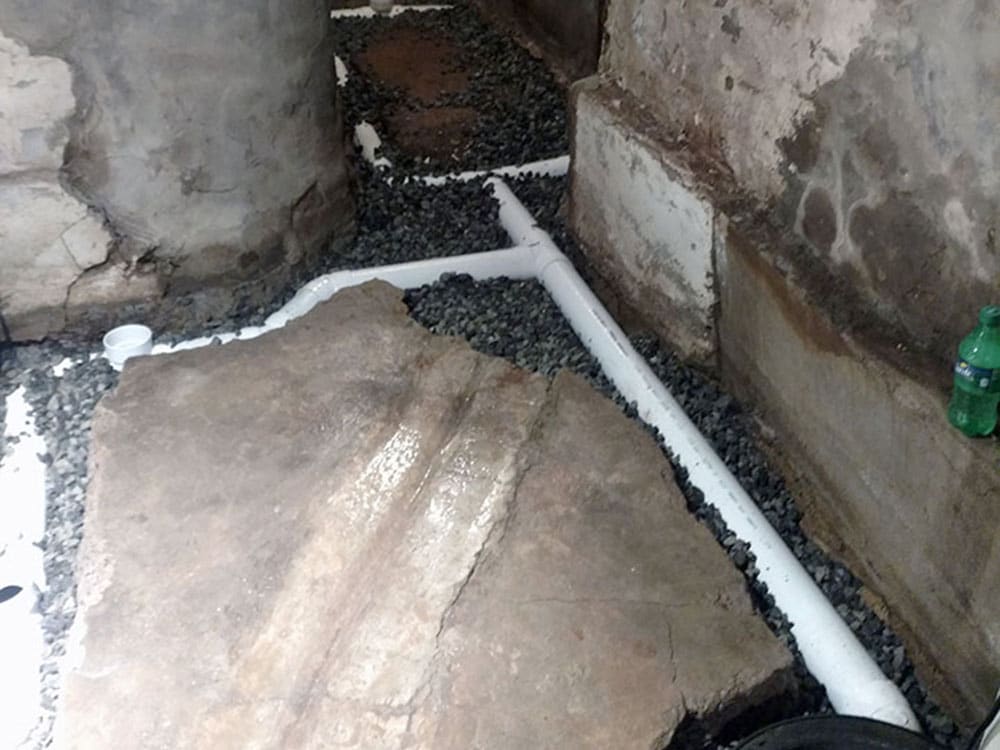
Interior drainage systems, such as weeping tiles or drain tiles, are installed beneath the basement floor to collect and divert water that seeps through the walls or floor. These systems work in conjunction with a sump pump to ensure water is quickly removed from the basement.
How It Works:- A trench is cut around the perimeter of the basement floor, and a perforated pipe is laid inside the trench.
- Water that enters the basement is collected in the pipe and directed to a sump basin.
- A sump pump, installed in the basin, pumps the water out and away from the home.
- Benefits:
- Interior drainage systems are highly effective in homes where exterior excavation is not possible.
- These systems provide continuous protection by removing water before it causes damage.
- Limitations:
- Installation requires removing a section of the basement floor, which can be disruptive.
- Regular maintenance is necessary to ensure the system remains clear of debris and the sump pump functions correctly.
- Grading and Downspout Extensions
While French drains and interior drain tiles are more direct solutions, proper grading and downspout management are also crucial for effective drainage. Water should be directed away from the foundation by ensuring that the ground slopes away from the home.
How It Works:- The soil around the foundation is graded to slope downward, preventing water from pooling near the basement walls.
- Downspout extensions ensure that rainwater from the roof is channeled at least several feet away from the home’s foundation.
- Benefits:
- Proper grading and downspouts prevent water accumulation around the foundation, reducing the risk of basement flooding.
- These methods are relatively low-cost and easy to implement.
- Limitations:
- They are not standalone solutions and must be used in conjunction with other drainage systems for optimal results.
- Poorly maintained gutters and downspouts can lead to water pooling near the foundation, negating their effectiveness.
Basement Waterproofing Techniques
While drainage systems are designed to manage water that enters the area around the foundation, waterproofing aims to create a barrier to prevent water from penetrating the basement in the first place. A combination of both drainage and waterproofing methods offers the best protection.
- Exterior Waterproofing
Exterior waterproofing is often considered the most effective method for preventing water from entering a basement. This technique involves applying a waterproof barrier to the outside of the foundation, stopping water at its source.
How It Works:- After excavating around the foundation, a waterproof membrane is applied to the exterior walls.
- A layer of waterproof coating, such as rubberized asphalt or polyurethane, is spread over the membrane to create a moisture-resistant barrier.
- Some systems may also include a drainage mat that channels water down to the exterior French drain.
- Benefits:
- Exterior waterproofing provides long-term protection by addressing water issues at the source.
- It reduces the risk of mold growth and structural damage inside the home.
- Limitations:
- The process is labor-intensive and can be expensive due to the need for excavation.
- It may not be practical for all homes, especially if space around the foundation is limited.
- Interior Waterproofing: Waterproof Sealants and Coatings
Interior waterproofing focuses on sealing the basement walls and floors to prevent water seepage. While not as comprehensive as exterior waterproofing, this method can be effective when used in conjunction with a drainage system.
How It Works:- Contractors apply a waterproof coating or sealant to the interior walls and floors, which creates a barrier to moisture.
- Common materials include silicate-based sealers, epoxy, or acrylic coatings, which bond with the concrete surface to seal cracks and pores.
- Benefits:
- Interior waterproofing is a more affordable option than exterior waterproofing.
- It can be applied quickly and is less invasive since it doesn’t require exterior excavation.
- Limitations:
- Interior waterproofing doesn’t stop water from reaching the foundation; it only prevents it from entering the basement.
- It is best used in combination with an interior drainage system to manage water that does seep through the foundation.
- Interior waterproofing doesn’t stop water from reaching the foundation; it only prevents it from entering the basement.
- Sump Pump Systems
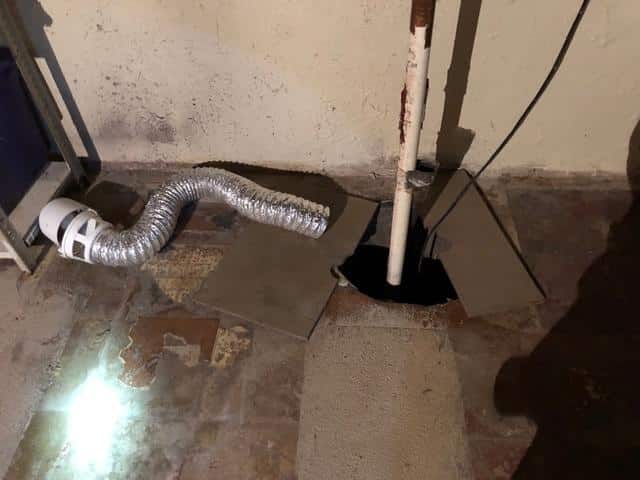
Sump pumps are an integral part of many basement waterproofing systems, working hand-in-hand with drainage solutions to keep basements dry. These pumps are installed in a sump basin, which collects water from the interior drainage system and expels it away from the home.
How It Works:- Water from the basement’s interior drainage system flows into the sump basin.
- When the water level rises to a certain point, the sump pump activates and pumps the water out to a safe distance from the foundation.
- Benefits:
- Sump pumps prevent water from pooling in the basement and causing floods.
- Backup systems, such as battery-operated pumps, ensure continuous protection even during power outages.
- Limitations:
- Regular maintenance is required to keep the sump pump functioning properly.
- In homes with significant water issues, a sump pump alone may not be enough without an accompanying drainage system.
The Synergy Between Drainage and Waterproofing
Both drainage and waterproofing are essential components of a comprehensive basement moisture control strategy. While drainage systems focus on managing water that collects around the foundation, waterproofing techniques create a barrier to prevent moisture from penetrating the basement.
- Drainage as the First Line of Defense
Drainage systems are often the first line of defense in protecting a basement from water damage. By collecting and redirecting water away from the foundation, these systems reduce hydrostatic pressure, making it less likely that water will find its way inside. - Waterproofing for Added Protection
Waterproofing methods complement drainage systems by providing an additional layer of protection against water infiltration. Together, drainage and waterproofing create a comprehensive approach that ensures a dry and healthy basement environment.
Basement drainage and waterproofing are two crucial processes that work together to protect your home from water damage. Whether you’re installing a French drain to divert water away from the foundation or applying waterproof coatings to seal the interior walls, each method plays a vital role in maintaining the health and safety of your home.
By investing in professional basement drainage and waterproofing solutions, homeowners can avoid the costly consequences of water damage and ensure that their basement remains a dry, usable space for years to come. Proper maintenance and timely upgrades will ensure these systems continue to function effectively, providing long-term peace of mind.
Contact the Professionals at SURE-DRI Basement Waterproofing Today! (540) 917-5543