Serving Homeowners In Southwestern Virginia Since 2002
Call Now For A Professional Evaluation 540-774-2828
How to Prevent Sump Pump Failure During Heavy Blue Ridge Storms
Heavy rain can put a basement drainage system under more pressure in a few hours than it experiences during weeks of normal weather. Across the Blue Ridge Mountains and Southwest Virginia, intense thunderstorms, prolonged rainfall, saturated soil, and power outages can quickly raise groundwater levels around a home.
For homeowners with basements or crawl spaces, a dependable sump pump system is one of the most important defenses against water intrusion. But sump pumps can fail when they are needed most—especially if the system has not been tested or maintained before a major storm.
Knowing the common causes of sump pump failure and taking a few preventive steps can help reduce the risk of a flooded basement, damaged belongings, and costly water cleanup.
If you are unsure whether your current system is properly sized or operating correctly, learn more about SURE-DRI’s sump pump solutions.
Why Sump Pumps Fail During Heavy Storms
A sump pump may sit inactive for days or weeks before being called on to handle a sudden increase in groundwater. When heavy Blue Ridge storms arrive, the pump may need to cycle repeatedly for hours at a time.
Several problems can prevent the system from keeping up.
1. Float Switch Problems
The float switch tells the sump pump when the water level inside the basin is high enough for the pump to turn on.
If the float becomes stuck against the basin wall, tangled with wiring, or blocked by sediment and debris, the pump may never activate—even as water continues to rise.
Before storm season, make sure the float moves freely throughout its full range of motion.
2. Power Outages
Heavy thunderstorms, high winds, lightning, and winter weather can interrupt electrical service throughout Southwest Virginia.
Because most primary sump pumps operate on household electricity, a power outage can shut down the system at exactly the time groundwater is rising fastest.
This is why a battery backup sump pump can be an important second layer of protection.
3. An Undersized Sump Pump
Not every sump pump is designed to handle the same amount of water.
During prolonged or intense rainfall, groundwater may enter the sump basin faster than an undersized pump can discharge it. The pump may run continuously while the water level continues to rise.
A professional evaluation can help determine whether the pump capacity, basin size, discharge system, and drainage configuration are appropriate for the amount of water reaching the home.
4. Clogged Intake or Sump Basin
Mud, gravel, sediment, and other debris can collect at the bottom of the sump pit over time.
If debris blocks the pump intake, water flow can be restricted and the motor may work harder than necessary. In some situations, sediment can also interfere with the float switch.
Keeping the basin clean is an important part of routine sump pump maintenance.
5. Check Valve Failure
The check valve is installed along the discharge pipe to help prevent water from flowing back into the sump basin after the pump shuts off.
If the valve is damaged, improperly installed, or no longer working correctly, discharged water may return to the pit. This can cause the pump to cycle more frequently and increase wear on the system.
5 Sump Pump Maintenance Steps Before a Heavy Storm
You do not need to wait until water starts entering the basement to find out whether your sump pump is working.
Before severe weather reaches the Roanoke Valley or surrounding Southwest Virginia communities, perform these preventive checks.
1. Perform a Live Water Test
Slowly pour several gallons of water into the sump basin.
As the water rises, watch the float switch. It should move freely and activate the pump before the water approaches the top of the basin.
Once the pump starts, make sure it removes the water efficiently and shuts off normally afterward.
If the pump hesitates, makes unusual noises, fails to start, or continues running after the basin empties, the system should be inspected.
For a deeper explanation of how sump pumps work, SURE-DRI also provides a guide to understanding sump pumps.
2. Clean the Basin and Pump Intake
Disconnect electrical power before handling the pump.
Remove visible mud, gravel, leaves, or other debris from the bottom of the basin. Check the pump intake or screen for buildup that could restrict water flow.
Keeping the pit clean can help the pump move water more efficiently when groundwater levels increase.
3. Inspect the Exterior Discharge Line
Follow the sump pump discharge line to the point where it exits outside.
Make sure the outlet is not blocked by:
Leaves
Soil
Mulch
Ice
Animal nests
Landscaping debris
The discharge should also direct water away from the foundation rather than allowing it to collect beside the home and re-enter the drainage system.
Drainage around the property plays an important role in basement moisture control. You can learn more about how SURE-DRI addresses these issues through its basement waterproofing services.
4. Check the Air Relief or Weep Hole
Many sump pump installations include a small relief hole between the pump outlet and the check valve.
This opening helps prevent air from becoming trapped in the discharge system. If it becomes clogged, the pump motor may run without moving water effectively.
Make sure the opening is clear and consistent with the pump manufacturer’s installation requirements.
5. Schedule a Professional Sump Pump Inspection
Homeowners can perform basic checks, but a professional inspection can identify problems that are easy to miss.
A sump pump evaluation may include checking:
Pump operation
Float switch movement
Electrical connections
Check valve condition
Basin condition
Discharge piping
Pump capacity
Backup system performance
Annual inspections are especially valuable for systems that operate frequently during periods of heavy rain.
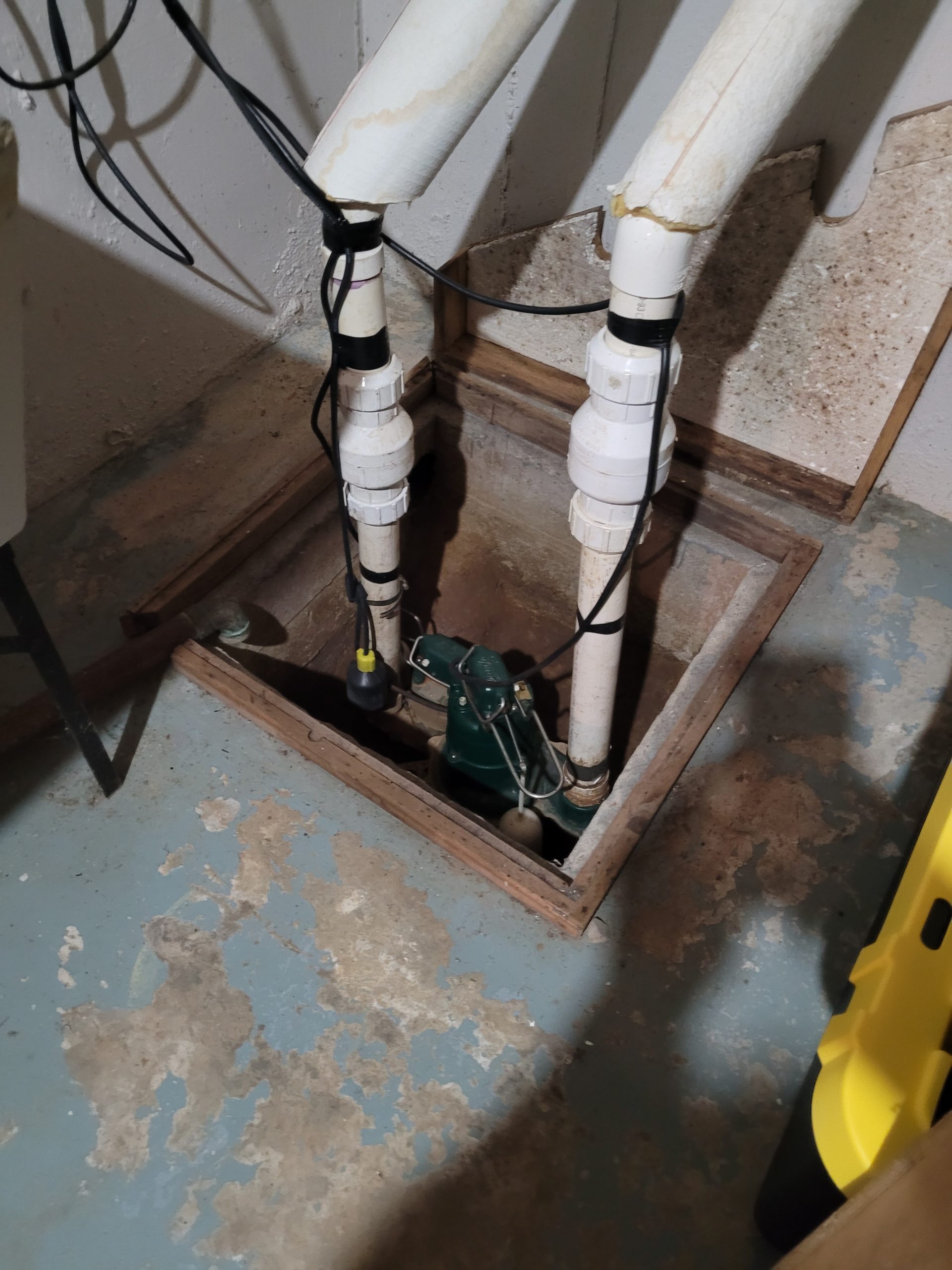
SURE-DRI has also documented a sump pump system installation in Roanoke, VA, showing how sump pump and drainage improvements can be incorporated into a broader basement water-management strategy. The existing article is listed in the site’s current blog sitemap.
Why a Battery Backup Sump Pump Matters
Even a well-maintained primary sump pump cannot operate normally if the home loses electricity.
A battery backup sump pump system provides a secondary pump that can continue removing water when the primary AC-powered unit loses power or cannot operate.
When properly installed, the backup system automatically activates when needed, helping maintain drainage during an outage.
A battery backup can be especially valuable during:
Severe thunderstorms
High-wind events
Ice storms
Extended utility outages
Periods of unusually heavy groundwater inflow
The backup system should not simply be installed and forgotten. Batteries, charging systems, alarms, and secondary pumps should also be tested regularly.
Primary Pump vs. Battery Backup Pump
The primary and backup pumps perform related but different roles.
Your primary sump pump handles normal groundwater and drainage under everyday electrical service.
Your battery backup sump pump provides emergency protection when the primary system cannot operate because of a power outage or another system problem.
For homes that regularly experience high groundwater or heavy storm runoff, having both systems provides an additional layer of protection.
Signs Your Sump Pump May Need Professional Attention
Contact a professional if you notice any of the following:
The sump pump does not turn on when water rises.
The motor runs but little or no water leaves the basin.
The pump cycles on and off unusually often.
The pump runs continuously.
You hear grinding, rattling, or unusual motor noises.
Water flows back into the basin after the pump shuts off.
The discharge line repeatedly clogs.
The pump cannot keep up during heavy rainfall.
The backup battery no longer holds a charge.
Water reaches unusually high levels inside the sump pit.
These symptoms may indicate a problem with the pump, float switch, discharge line, check valve, power supply, drainage system, or pump capacity.
Sump Pump Protection Is Only One Part of Basement Waterproofing
A sump pump is an important component of many basement drainage systems, but it does not solve every source of water intrusion.
Water may also enter through foundation cracks, wall-floor joints, drainage problems, hydrostatic pressure, or surface water that is not being directed away from the home.
If your basement repeatedly becomes wet during heavy rain, it may be helpful to evaluate the entire waterproofing system rather than focusing only on the pump.
SURE-DRI provides basement waterproofing services for homeowners throughout the Roanoke Valley and surrounding areas of Southwest Virginia.
Homeowners can also review these additional resources:
Those supporting articles already exist within SURE-DRI’s current content structure.
Frequently Asked Questions About Sump Pump Failure
How can I prevent my sump pump from failing during a heavy storm?
Test the pump before severe weather arrives, make sure the float switch moves freely, clean debris from the basin and intake, check the discharge pipe for blockages, inspect the check valve, and confirm that a battery backup system is ready to operate during a power outage. Regular professional inspections can also help identify worn or undersized components before they cause a failure.
How often should a basement sump pump be replaced?
Many sump pumps can operate for several years, but there is no single replacement schedule that applies to every home. Pump lifespan depends on the quality of the unit, how frequently it operates, the amount of water entering the basin, maintenance, and installation conditions.
Older pumps or systems that run frequently during heavy rain should be inspected regularly. Grinding noises, delayed activation, excessive cycling, reduced pumping capacity, or recurring failures are signs that replacement may be necessary.
How long will a battery backup sump pump work during a power outage?
Battery runtime depends on the battery capacity, pump size, groundwater inflow, frequency of pumping, battery condition, and whether the system uses one or multiple batteries.
Rather than relying on a fixed number of hours, homeowners should choose a backup system based on the expected water load and outage risk at their property and test the battery periodically to confirm that it remains operational.
Why does my sump pump run continuously during heavy rain?
A sump pump may run continuously when groundwater is entering the basin faster than normal. Other possible causes include a stuck float switch, clogged discharge line, failed check valve, undersized pump, or water being discharged too close to the foundation and returning to the drainage system.
If the pump continues running after the water level has dropped, schedule an inspection before the motor overheats or fails.
What happens if my sump pump stops working during a storm?
If the sump pump stops operating while groundwater continues entering the basin, the pit can overflow and water may spread into the basement.
First, check whether the home has power and whether the pump is safely connected. If you have a functioning battery backup, it should provide temporary secondary pumping. Avoid handling electrical equipment if water has reached outlets, wiring, or other energized components.
Once the immediate situation is safe, have the pump and drainage system inspected to determine why the failure occurred.
Do I need a battery backup sump pump if I rarely lose power?
A battery backup can still be useful even in homes that do not experience frequent outages. Severe storms often create both increased groundwater and electrical disruptions at the same time.
Backup systems can also provide secondary protection if the primary pump experiences a mechanical problem. Whether one is appropriate for your home depends on your basement drainage conditions, pump usage, outage risk, and tolerance for flooding.
Can a sump pump prevent all basement flooding?
No. A sump pump removes water collected by the drainage system, but basement water problems can have several causes.
Foundation cracks, surface drainage, hydrostatic pressure, wall-floor seepage, blocked drainage systems, grading problems, and plumbing leaks may require additional solutions. A complete basement waterproofing inspection can help determine where the water is coming from and which repairs are appropriate.
Protect Your Basement Before the Next Blue Ridge Storm
The best time to discover a sump pump problem is before heavy rain reaches Southwest Virginia.
Testing the pump, keeping the basin and discharge line clear, checking the float and valve system, and maintaining reliable backup power can significantly reduce the risk of an unexpected sump pump failure.
However, repeated sump pump problems may indicate that the issue extends beyond the pump itself. The amount of groundwater entering the basement, the interior drainage system, discharge configuration, and overall waterproofing strategy all affect how well the system performs during severe weather.
SURE-DRI Basement Waterproofing serves homeowners throughout Roanoke and surrounding Southwest Virginia communities, providing sump pump, drainage, and basement waterproofing solutions tailored to the conditions around each property. The company’s current service-area content identifies Roanoke along with communities including Salem, Newport, Wirtz, Daleville, Rocky Mount and others.
Sure-Dri Basement Waterproofing was founded by Keith Martin in January 2002 and has been providing professional and reliable Basement Waterproofing and Foundation Repair services for Southwestern Virginia homeowners.
Keith was born and raised in Roanoke and has a lot of experience in the construction industry, he has been a General Contractor building residential and light commercial buildings since 1987. He has a MET engineering degree from Pellissippi State Tech at Knoxville and it is a Class A licensed contractor. He is also licensed in Radon Measurement and Mitigation.
Sure-Dri has a great crew with some employees who have been working in the company for over 20 years. Our employees are the backbone of the company prioritizing high ethics, professionalism, and exeptional customer service at heart.
To provide the best experiences, we use technologies like cookies to store and/or access device information. Consenting to these technologies will allow us to process data such as browsing behavior or unique IDs on this site. Not consenting or withdrawing consent, may adversely affect certain features and functions.
Functional Always active
The technical storage or access is strictly necessary for the legitimate purpose of enabling the use of a specific service explicitly requested by the subscriber or user, or for the sole purpose of carrying out the transmission of a communication over an electronic communications network.
Preferences
The technical storage or access is necessary for the legitimate purpose of storing preferences that are not requested by the subscriber or user.
Statistics
The technical storage or access that is used exclusively for statistical purposes.The technical storage or access that is used exclusively for anonymous statistical purposes. Without a subpoena, voluntary compliance on the part of your Internet Service Provider, or additional records from a third party, information stored or retrieved for this purpose alone cannot usually be used to identify you.
Marketing
The technical storage or access is required to create user profiles to send advertising, or to track the user on a website or across several websites for similar marketing purposes.