You’ve discovered a leak in your basement, you’re worried about potential damage, and you’re unsure what to do next. Identifying the source, evaluating the damage, and deciding whether to tackle the repairs yourself or call in a professional are all steps you need to contemplate. But where should you start, and how can you prevent further leaks in the future? Let’s discuss these pressing questions and explore some practical solutions to your damp dilemma.
Identifying the Source of Leakage
Before diving into the nitty-gritty of fixing a leaky basement, it’s key to pin down the source of the leakage. You might think it’s a no-brainer, but it’s not always as straightforward as you’d expect. Water has a sneaky way of traveling, making it essential to correctly identify the root of the problem.
You’ll see two types of leaks: wall leaks and floor leaks. Wall leaks are usually due to groundwater saturation, bad drainage, or cracks in the wall itself. You may notice damp patches, efflorescence, or even mold. If you see water pooling near the foundation outside your house after a heavy rain, it’s a pretty clear sign of a wall leak.
Floor leaks, on the other hand, typically occur when the water table rises above the level of your basement floor. It’s not just about heavy rainfall. You’ll need to take into account factors like the area’s water table, the type of soil near your foundation, and the presence of a functioning sump pump.
It’s likely a floor leak if you observe seepage at the floor-wall joint or damp carpeting.
Safety Precautions to Consider
Before you tackle the task of solving your basement leakage, it’s essential to take into account safety precautions.
You’ll need to identify potential hazards, understand the necessary protective gear, and learn the proper cleanup procedures.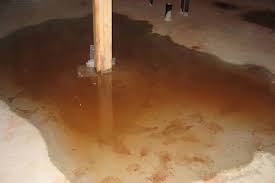
Ensuring your safety during this process is as important as the leakage solution itself.
Identifying Potential Hazards
Frequently, homeowners overlook the inherent risks associated with basement leakage. Now, it’s vital that you don’t make that mistake. Ignoring a leaky basement isn’t just an aesthetic concern—it’s a safety issue that warrants immediate attention.
First off, water intrusion can lead to the growth of harmful mold and mildew. These fungi aren’t only destructive to your home’s structure but can also cause health problems like allergies and respiratory issues.
Wet basements also create electrical hazards. Water is a good conductor of electricity and can lead to electrocution if it comes into contact with exposed wiring or electrical outlets.
Moreover, structural damage is a significant risk. Water can erode the foundation, weakening the structural integrity of your home. Over time, this could cause walls to bow or even collapse.
Similarly, the wet environment attracts pests, which can further damage your property and pose health risks.
Lastly, a damp basement increases the risk of slips and falls, especially on slick surfaces like concrete or tiled floors. Each of these risks underscores why it’s important to identify and rectify basement leakage promptly and safely.
Protective Gear Necessities
Donning the right protective gear is essential when dealing with a leaky basement. It’s not just about getting wet; it’s about protecting yourself from potential hazards.
You’ll need to gear up to keep safe from physical injury, biological hazards, and potential chemical exposure.
Invest in a high-quality pair of water-resistant, non-slip boots. These will keep your feet dry and prevent slips on wet surfaces. Paired with knee pads, you’ll be able to navigate comfortably and safely.
Coveralls or waterproof suits are a must to protect your skin from dampness, mold spores, and potential contaminants. Choose a material that’s durable and resistant to punctures or tears. You wouldn’t want your gear failing you in the middle of the cleanup operation.
Gloves should be waterproof and durable. They’re your first line of defense against sharp objects, fungi, bacteria, or chemicals.
Headgear is often overlooked, but a hard hat can protect you from falling debris, low-hanging pipes, or accidental bumps. Don’t forget safety goggles for eye protection, especially against splashes or mold spores.
Last but not least, arm yourself with a respirator mask. This is vital to protect your lungs from inhaling harmful particles, mold spores, or chemical fumes.
Safety first, always.
Safe Cleanup Procedures
After securing the right protective gear, it’s time to turn your attention to the actual cleanup process in a leaky basement.
To begin with, remove any standing water with a wet vacuum or a sump pump. It’s vital to do this quickly to prevent further damage and mold growth.
Next, you’ll want to assess the damage. Take note of any items that have been water-damaged. You may be able to salvage some, but others, especially those made of porous materials, will likely need to be discarded.
Always handle these items with care, as they could harbor mold or bacteria.
Now, focus on drying out the area. Use fans, dehumidifiers, and heaters to speed up the drying process. This step is essential to prevent the growth of harmful mold and mildew.
Lastly, sanitize the area thoroughly. Use a mixture of bleach and water to kill any remaining bacteria or mold.
Be sure to ventilate the area well while you’re doing this to avoid inhaling fumes.
Assessing the Damage Extent
Understanding the extent of the damage is a critical first step in addressing basement leakage. It’s not just about soaking up water and drying things out. You need to assess whether structural damage has occurred, or if there’s a risk of mold growth.
Start by examining the walls and floor. Look for cracks, discoloration, or peeling paint—these are signs of water damage. If your basement is finished, check the drywall and insulation for dampness or mold. Warping or bulging of these materials could indicate significant water damage.
Next, inspect your belongings. If they’ve been in contact with water, they might harbor mold spores, which can spread and cause health problems. Furniture, carpets, and boxes of stored items should all be checked.
DIY Fixes for Minor Leaks
A handful of minor leaks in your basement may not seem like a big deal, but they can quickly escalate into major issues if not addressed promptly.
Don’t panic—there are a few simple, yet effective, DIY fixes you can employ to nip this problem in the bud.
First, identify the source of the leak. Look for damp spots or water traces on walls and floors. If it’s a wall leak, you’ll probably spot moisture or water streaks. For floor leaks, you may see puddles or damp patches.
Once you’ve found the leak, it’s time to seal it. Pick up a waterproof sealant from your local hardware store — these come in various forms, like sprays, paints, or caulk.
Make sure your chosen product is suitable for your basement’s material type (concrete, brick, etc.). Apply the sealant as directed, ensuring you’ve covered the leak completely. Allow it to dry thoroughly before checking its effectiveness.
When to Contact Professionals
There comes a point when you need to recognize the signs of serious water damage that’s beyond a simple DIY fix.
Before you grab your toolbox, consider the severity and implications of the leak, as professional intervention might be necessary.
It’s vital to know how to choose a reliable leak repair service to guarantee the problem is thoroughly tackled.
Identifying Serious Water Damage
Water damage in your basement can escalate quickly from a minor annoyance to a serious problem, making it essential to know when to bring in professionals.
It’s vital to identify signs of serious water damage to prevent further complications in your property.
Notice any changes in your basement’s walls? Cracks or bulges may indicate water pressure from the outside, which can lead to substantial foundation damage over time.
Also, keep an eye out for discoloration, mold, or a musty smell, as these are signs of prolonged water exposure which can lead to respiratory issues.
Peeling paint or efflorescence, a white, chalky substance, signify that water is seeping into your basement.
This is more than just an aesthetic issue—it’s a sign that water is penetrating your walls or floor.
If your basement flooring is warping or bubbling, it’s a clear indicator that water is intruding from below.
Also, consider how frequently you’re dealing with water in your basement. If it’s a constant issue, it’s time to call in the experts.
Considerations Before DIY Fixes
DIY warriors, before you plunge into fixing your basement leakage, it’s crucial to assess the severity of the situation. Understand that not all leaks are manageable with a bucket of tools and a can-do attitude. You’ll need to contemplate a few factors before deciding whether to don your work gloves or dial up a pro.
Firstly, identify the source of the leak. If it’s a simple matter of a cracked window well or a leaky pipe, you may be equipped to handle it. But if water’s seeping in from the foundation or through the walls, you’re dealing with a larger, more complex issue.
Secondly, evaluate the extent of water damage. If it’s a small puddle, a DIY fix might suffice. If you’re wading through a pool, however, it’s time to call in the professionals.
Lastly, think about your skill level and experience. If you’re not confident in your abilities, don’t risk aggravating the problem. It’s better to invest in professional help than to make costly errors.
Choosing Leak Repair Services
How do you know when it’s time to call in the experts? You’ve done your preliminary checks, tried some DIY fixes, but your basement is still leaking. It’s time to evaluate professional leak repair services. Don’t worry, it’s not a sign of defeat but rather an informed decision to protect your home’s integrity.
First off, observe the extent of the leakage. Is it a small, contained area or is it widespread? If the leak is small, you might manage with DIY methods. However, widespread leaks often indicate a deeper problem that requires expert intervention.
Next, assess the frequency of the leakage. If it’s a recurrent issue despite your efforts, it’s a clear sign you need professional help. Recurrent leaks can damage your home’s foundation over time and lead to costlier repairs.
Finally, inspect the nature of the water damage. If there’s mold, damp smells, or visible water damage to walls and floors, it’s definitely time to call in the professionals. These are signs of serious, ongoing water issues that could impact your home’s health and safety.
Choosing the right leak repair service involves evaluating their experience, reputation, cost, and the guarantees they offer.
Choosing the Right Repair Company
Often, choosing the right repair company for your basement leakage can be a challenging task. You’re likely dealing with stress and frustration from the leak itself. However, it’s essential to take a step back and evaluate your options carefully before making a choice.
First, consider the company’s experience. You’d want a company that’s been in the business for years, preferably one that specializes in basement leaks. This guarantees they’ve faced a variety of scenarios and are equipped with the skills to handle your situation.
Next, look into the company’s reputation. Reviews and testimonials can provide insight into their work ethic and reliability. Additionally, check if they’re certified and insured. This isn’t just a matter of legality—it’s about professionalism and accountability.
Also, confirm the company provides a detailed estimate. It should include labor costs, materials, and any potential additional charges. You don’t want any nasty surprises down the line.
Lastly, consider their customer service. Communication is key in any repair work. They should be ready to answer your queries, explain processes, and keep you updated.
Preventive Measures for Future
There are several steps you can take to prevent future basement leaks.
First, regular inspections are vital. You’ll want to check for cracks or damage in your foundation walls and floors. If you spot any signs, you should immediately seek professional help to address these issues.
Another preventive measure is to guarantee your gutters and downspouts are working effectively. They’re designed to channel water away from your house. If they’re clogged or misdirected, water may pool around your foundation, increasing the risk of leaks.
You should also consider installing a sump pump. This device collects excess water and pumps it away from your home.
Additionally, a dehumidifier can help maintain your basement’s humidity levels, preventing condensation that can lead to dampness and leaks.
Lastly, waterproofing your basement can be a significant step. This process typically involves applying a waterproof sealant on your basement walls and floors, providing an additional barrier against water intrusion.
Insurance Claims and Leaky Basements
When your basement’s leaks escalate into a significant problem, it’s crucial to understand your insurance coverage. Most homeowner’s insurance policies don’t cover water damage from gradual leaks or seepage, but they typically cover sudden and accidental discharge of water. So, if your leaky basement is due to a burst pipe, for instance, you’re likely covered.
Before you submit a claim, gather evidence of the damage. This includes photos of the basement before and after the leak, receipts for any repairs, and detailed documentation of any property damage.
Contact your insurance company as soon as possible to report the situation. They’ll walk you through the claims process, which may involve sending an adjuster to assess the damage.
It’s essential to understand the specifics of your policy and your deductible amount. The deductible is the amount you’ll pay out of pocket before your insurance kicks in. If the cost of repair is less than your deductible, it’s often more cost-effective not to file a claim.
Always consult with insurance professionals to make informed decisions regarding basement leaks and insurance claims.
To sum it up, when your basement starts to weep, swift action is your life raft. Size up the leak, don your safety gear, and gauge the damage. If it’s small, you can patch it up yourself. But if it’s more like a river than a drip, call in the pros. Choose a reputable company, take preventative action, and check your insurance coverage. Don’t let a leaky basement sink your spirits or your home’s value.