Imagine you’re throwing a grand party, and uninvited guests arrive, wreaking havoc. In your home, water can be that unwelcome guest, and your basement, the party scene. If you’re not waterproofing, you’re basically leaving your door wide open for these gatecrashers. Now, they’re not just causing a ruckus; they’re threatening the health of your basement. Mold growth, structural damage, and decreased energy efficiency are just the tip of the iceberg. So, what can you do to keep these unwanted guests out and maintain your basement’s health? Let’s explore that further.
Understanding Basement Waterproofing
Often, homeowners overlook the importance of basement waterproofing. It’s not just about keeping your basement dry; it’s a preventive measure that shields your home from potential structural damage, mold growth, and energy inefficiencies.
You may think, “I’ll deal with it when I see a problem.” But that’s a risky game you’re playing. Waterproofing isn’t a reactive measure; it’s preventive. It’s about stopping the water before it breaches your home’s defenses.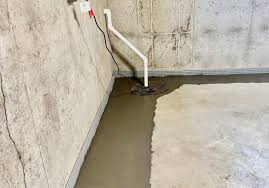
So, what’s the science behind it? Waterproofing involves creating a barrier that repels water, preventing it from seeping into the building structure. This is accomplished through various methods such as sealants, drainage systems, and sump pumps.
Sealants and coatings are applied to the walls and floors, blocking pores in the concrete and preventing water ingress. Drainage systems, on the other hand, manage water around your house, directing it away from your foundation. Sump pumps are your last line of defense, actively pumping water out if it manages to get in.
Understanding and implementing these waterproofing strategies will play an essential role in maintaining the health of your basement and, ultimately, your home.
The Threat of Water Damage
Water damage, a silent and insidious threat, can wreak havoc on your home’s integrity. It’s not just a matter of an unsightly water stain or damp smell. No, the threat is far more insidious.
The first casualty is often the structural integrity of your basement. Water seeping in, even in minute amounts, can weaken the concrete walls and floor over time. This may lead to cracks, which not only further facilitate water ingress but also compromise your basement’s stability.
Material degradation is another concern. Water can corrode metal fixtures and fittings, causing them to rust and eventually fail. It can also rot wooden structures, such as beams and stairs, leading to potentially dangerous situations.
Ultimately, unchecked water damage could affect the value of your home. Potential buyers are likely to be dissuaded by the evident dampness, the smell of dampness, and the damage it has caused.
Even if you aren’t planning to sell, you’re looking at costly repairs and replacements if water damage goes untreated.
Basement Mold and Health Issues
Mold in your basement isn’t just an aesthetic issue; it poses serious health risks.
You must be able to identify it early, understand its potential impact on your health, and implement effective prevention strategies.
Let’s explore these points in detail, ensuring you have the knowledge to maintain a healthy, mold-free basement environment.
Identifying Basement Mold
Creeping into your basement unnoticed, mold can pose serious health risks if not identified and dealt with promptly.
It’s critical to understand how to spot this silent intruder. Typically, mold thrives in damp, dark, and poorly ventilated spaces, making your basement a prime breeding ground.
You’ll often find it on walls, floors, or accumulated on objects stored in your basement. There are a few telltale signs you can look out for.
First off, you might notice an unusual musty odor. It’s distinctive and shouldn’t be ignored.
Visually, mold can present itself in various colors – black, white, green, or even orange. It might appear as spots, streaks, or a fuzzy growth.
In terms of physical touch, moldy areas often feel damp and possibly slimy. However, it’s advised not to touch any suspected mold directly as it could potentially be hazardous.
Lastly, if you’ve had any recent water damage in your basement, this increases the likelihood of mold growth.
Water leaks, flooding, or persistent dampness can create ideal conditions for mold to flourish.
Health Risks Involved
Often underestimated, the health risks associated with basement mold can be severe, particularly for individuals with existing respiratory conditions or weakened immune systems. Mold spores, invisible to the naked eye, can infiltrate your living space, leading to a range of health issues.
This microscopic menace, when inhaled, can trigger allergies, cause sneezing, runny nose, red eyes, and skin rashes. These symptoms, while irritating, may seem harmless, but don’t fall into a false sense of security.
In those with asthma, exposure to mold can lead to more frequent and severe attacks. It isn’t limited to respiratory ailments, though. Mold exposure can also cause headaches, fatigue, and even depression.
The insidious part of basement mold is that it doesn’t just affect those already susceptible. Healthy individuals exposed over time can also develop chronic health issues, turning a minor problem into a long-term struggle.
In extreme cases, certain types of mold, like Stachybotrys chartarum or “black mold,” produce toxins that can lead to serious conditions such as pulmonary hemorrhage or memory loss.
This is why you can’t ignore the risks. Basement mold isn’t just a cosmetic issue; it’s a serious health hazard.
Effective Mold Prevention
Knowing how to effectively prevent mold in your basement is the key to safeguarding your health. Moisture is the lifeblood of mold; without it, mold can’t grow. Hence, maintaining a dry environment should be your top priority. Waterproofing is a reliable technique to achieve this.
A waterproofed basement prevents water intrusion, thereby depriving mold of its essential ingredient. It’s not just about applying a waterproofing product, though. You’ll need to assess the overall basement condition first.
Look for cracks, leaks, and poor ventilation. These are potential entry points for moisture. Once identified, seal these spots using a quality waterproofing sealant, ensuring a thorough application.
Don’t overlook these details; they’re vital for an effective waterproofing job. You’ll also want to invest in a dehumidifier. It’ll reduce the humidity level, making your basement less hospitable for mold.
Waterproofing and Structural Integrity
Almost every homeowner will at some point grapple with basement waterproofing to guarantee structural integrity. You see, water is a formidable opponent that can wreak havoc on your home’s structure if not properly managed.
Water intrusion can lead to severe structural damage, compromising the overall stability and safety of your home. Hydrostatic pressure, the pressure exerted by a fluid due to gravity, can build up in the soil surrounding your basement, especially after heavy rainfall. This pressure pushes against your basement walls, causing them to crack or bow over time.
By waterproofing your basement, you’re fundamentally creating a barrier that prevents water from seeping into these cracks, thereby mitigating the effects of this potentially destructive pressure.
Moreover, water infiltration can accelerate the deterioration of your home’s foundation. As water seeps into the concrete, it can lead to the formation of efflorescence, a crusty white deposit of salts that indicates the passage of water.
Over time, efflorescence can cause the concrete to spall, a process where the surface of the concrete peels, pops out, or flakes off.
Impact on Home Energy Efficiency
Unexpectedly, basement waterproofing can also considerably impact your home’s energy efficiency. When you waterproof your basement, you’re not just safeguarding your home from potential water damage; you’re also enhancing its thermal performance.
Let’s get technical. The issue lies in the concept of the ‘stack effect’. This term describes how air moves through a building. Warmer air has a natural tendency to rise, creating a pressure differential that can draw cooler, damp air into your basement.
If your basement isn’t waterproofed, this humid air can seep into your home. Your HVAC system then has to work overtime to regulate this moisture-laden air, which consequently drives up your energy consumption and utility bills.
Additionally, this moisture can create a conducive environment for mold and mildew, which can degrade your home’s insulation, further impacting your energy efficiency.
Waterproofing to Increase Property Value
In addition to energy efficiency, waterproofing your basement can greatly boost your property value.
It’s an investment that’s worth every penny. Waterproofing not only prevents potential damage and costly repairs down the line, but it also makes your property more attractive to potential buyers.
When a prospective buyer sees a waterproofed basement, they’re seeing a home that’s been meticulously cared for. They’re seeing a space that could be utilized as a guest room, a home office, or a recreation room. It’s added square footage that’s safe from the destructive effects of water damage.
Furthermore, waterproofing reduces the risk of structural damage. Water can seep into the foundation, causing cracks that compromise the integrity of your home. By waterproofing your basement, you’re preserving the strength and stability of your property.
Lastly, waterproofing mitigates the risk of mold and mildew growth – a huge selling point. These harmful organisms can cause health problems and are a nuisance to eradicate. By preventing their growth, you’re enhancing the overall healthiness of your home.
Choosing the Right Waterproofing Solution
Having established the importance of basement waterproofing for property value and structural integrity, your next step is to select the most suitable waterproofing solution for your home.
Before deciding, you’ll need to scrutinize your basement’s specific conditions. Are there visible signs of water damage or only minor dampness? The extent of the issue will influence your choice. For minor dampness, silicate-based concrete sealers, which penetrate and react chemically with the concrete, could be your best bet.
For more serious issues, you might take into account cementitious waterproofing, an easy-to-apply, rigid solution with the flexibility to mold into small spaces. Alternatively, liquid waterproofing membrane, a thin coating which consists of a primer coat and two top coats, can offer more thorough protection.
It’s essential to evaluate the cost-effectiveness of each solution too. While some options may be cheaper upfront, they may not provide the longevity you need. Conversely, more expensive solutions could save you money in the long run.
In the end, your choice should be driven by your unique basement conditions, your budget, and the level of protection you desire.
Professional Vs. DIY Waterproofing
You’re now faced with the choice: professional or DIY waterproofing.
It’s essential to contemplate the pros and cons of each, weighing factors such as cost, time investment, and the complexity of the task.
An analysis of cost efficiency may provide further insight into which option best meets your specific needs and circumstances.
Pros and Cons Comparison
Facing the challenge of a damp basement, you might waver between hiring a professional waterproofing service or starting on a DIY waterproofing project. Both options come with their own set of pros and cons.
Choosing professional services gives you access to experienced experts who are well-versed in handling different types of basement waterproofing problems. They’ve various techniques at their disposal and can provide guarantees on their work. However, this comes with a higher upfront cost and the inconvenience of having workers in your home.
On the other hand, DIY waterproofing can be more cost-effective initially and gives you the satisfaction of doing the job yourself. You’re in control of the timing, the pace, and the methods used.
However, it’s vital to understand that without the correct knowledge and skills, you could exacerbate the problem. It can also be time-consuming and physically demanding.
In weighing these factors, consider the severity of the dampness, your budget, your time, and your ability to undertake such a project. It’s a balancing act between the professional expertise and the personal touch of doing it yourself.
Make an informed decision for the health of your basement.
Cost Efficiency Analysis
Crunching the numbers, it’s crucial to explore the cost efficiency of professional versus DIY basement waterproofing. On the surface, it might seem like DIY is the cheaper route. But don’t let initial costs fool you.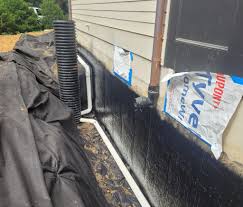
When you opt for DIY, you’re saving on labor costs. However, the expense of materials can add up quickly, especially if you’re not familiar with what’s required. Plus, there’s a risk of improper application, which can lead to further damage and eventually, more costs.
Hiring a professional, on the other hand, might seem expensive upfront, but it’s a thorough package. You’re not just paying for labor, but expert knowledge, quality materials, and a guarantee of the job done right.
Moreover, professionals have access to wholesale prices for materials, which can offset the labor costs. And if issues arise later, most professionals offer warranties, saving you from future repair costs.
Long-Term Benefits of Waterproofing
Investing in basement waterproofing offers a wealth of long-term benefits that transcend the immediate resolution of water issues. You’ll find that the upfront costs are offset by the significant savings realized over time. Let’s explore the specifics.
First, you’ll experience a drastic reduction in maintenance expenses. With waterproofing, you’re fundamentally preventing potential damages from water leakage, dampness, and humidity. This implies fewer repairs and replacements, saving you a considerable amount of money in the long run.
Secondly, waterproofing enhances the energy efficiency of your home. It does this by preventing the entry of cold or hot air, which can cause your HVAC system to work harder. Consequently, you’ll observe a notable decrease in your energy bills.
Thirdly, waterproofing safeguards your home’s structural integrity. It hinders the penetration of water that can lead to the deterioration of foundation materials, thereby averting costly structural issues.
Finally, waterproofing bolsters your property’s resale value. A dry, well-maintained basement is a selling point, offering potential buyers peace of mind and assurance of a sound investment.
You might think waterproofing your basement is an unnecessary expense, but don’t be fooled. Neglecting it can lead to costly structural repairs, health risks, and energy inefficiency. Investing in waterproofing not only enhances your home’s health, but also boosts its market value. So, isn’t it time you considered this essential step? Remember, a dry basement is a healthy one, and ultimately, a healthy basement contributes to a healthier, safer home for you and your family.