
You’ve probably noticed a foundation crack once or twice and brushed it off as a mere cosmetic issue. But let’s rethink that for a moment. Foundation cracks aren’t just an eyesore; they might be signaling more serious underlying structural problems. These cracks, if ignored, can lead to moisture damage, pest invasions, and escalating repair costs. Now, wouldn’t you want to know more about the hidden dangers of these seemingly harmless cracks and how to prevent potential catastrophes?
Key Takeaways
- Foundation cracks indicate potential structural issues, not merely aesthetic defects.
- Soil movement and poor water drainage, leading to foundation cracks, can compromise the stability of the home.
- Cracks permit moisture intrusion causing rusting of steel reinforcements and promoting mold growth, posing health risks.
- Foundation cracks can significantly depreciate a home’s value and discourage potential buyers.
- Ignoring foundation cracks can lead to severe safety concerns and expensive structural repairs in the future.
Understanding Foundation Cracks
A significant number of homeowners often overlook foundation cracks, dismissing them as mere aesthetic blemishes. But you need to understand, these fissures are more than just superficial defects. They could be potential indicators of structural issues in your home.
To fully comprehend the severity, you need to recognize various crack types and the role of soil movement in their formation.
Crack types are grouped into three categories: shrinkage, settlement, and horizontal. Shrinkage cracks are thin and less concerning. They usually occur due to concrete curing. Settlement cracks are vertical, caused by soil movement or changes in soil consistency beneath the foundation. You’ll notice these cracks widening over time, indicating ongoing settlement issues.
Horizontal cracks, on the other hand, are severe. They suggest extreme soil pressure against your foundation walls.
Soil movement is a significant factor in crack development. When the soil expands and contracts due to changes in moisture content or freezes and thaws, it shifts. This movement puts pressure on your foundation, leading to cracks.
Understanding this dynamic can alert you to potential problems before they escalate.
The Causes Behind Foundation Cracks
Having established the significance of soil movement and the different types of cracks, we now turn our attention to what exactly causes these foundation cracks.
There are four primary causes behind foundation cracks: soil movement, water drainage, temperature fluctuations, and the quality of foundation materials.
Soil movement can lead to cracks because of the pressure exerted on the foundation. This is often triggered by changes in soil moisture levels. Similarly, poor water drainage can cause soil to expand and contract, putting stress on the foundation.
Temperature fluctuations also play a significant role. As the temperature changes, the foundation materials can expand and contract, leading to cracks over time. Lastly, the quality of the foundation materials can influence the likelihood of cracks. Inferior materials are more prone to crack under pressure.
Here’s a table summarizing these causes:
| Cause | Effect on Foundation |
|---|---|
| Soil Movement | Pressure on foundation |
| Water Drainage | Soil expansion/contraction |
| Temperature Fluctuations | Material expansion/contraction |
| Foundation Materials | Prone to cracks |
Understanding these causes helps you recognize the signs, so you can take action before it’s too late.
Hidden Dangers of Foundation Cracks
Your home’s foundation, seen as its backbone, hides serious dangers when cracks start appearing. These cracks aren’t just blemishes on the aesthetics of your dwelling, they’re warnings of potential structural integrity issues. Cracks can indicate that your home’s skeleton is weakening, its strength compromised.
A crack, even a hairline one, can act as an entry point for moisture intrusion. This moisture can cause the steel in your concrete to rust and expand, leading to further cracking and escalating the damage to your foundation. Over time, this can lead to serious structural issues, including the possibility of your home becoming unsafe.
Moreover, moisture intrusion increases the risk of mold growth, which can have worrisome health implications for you and your family, including allergies and respiratory issues.
Lastly, pests, particularly termites, find these cracks an ideal route to invade your home. Termites can cause substantial damage to your home’s woodwork, which can compound the structural problems already caused by the cracks.
The Impact on Your Home’s Value
Considerable depreciation in your home’s value can result from unchecked foundation cracks. They’re not just an eyesore, they’re a red flag to potential buyers and a direct hit to your home equity. Market perception plays a huge role in determining a property’s value. A home with visible foundation issues is often perceived as a high-risk investment, leading to lower offers or deterring buyers altogether.
Here’s a breakdown of how foundation cracks can impact your home’s value:
| Impact | Short Term | Long Term |
|---|---|---|
| Market Perception | Buyers may shy away, reducing demand for your property. | Persistent issues can tarnish your home’s reputation in the market. |
| Home Equity | Immediate drop due to repair costs. | Long term equity growth may slow down or decline. |
| Resale Value | Lower offers due to perceived risk. | Can significantly decrease if cracks lead to other structural issues. |
Professional Crack Repair Solutions
Engaging professional services for crack repair can salvage your home’s value and curb potential structural issues. Experts utilize a variety of techniques, each selected based on a careful assessment of the damage.
One such solution is epoxy injection. This is a proven method where a low-viscosity epoxy resin is pumped into the crack, bonding the structure together once it cures. It’s not merely a cosmetic fix, but a structural one, effectively restoring the original strength and loading of the concrete.
You’ll find this option particularly advantageous for hairline cracks, where traditional repair methods may fail.
On the other hand, underpinning techniques are employed when there’s significant settlement or movement in your foundation. This process involves extending the foundation depth or breadth so it rests on a more stable soil stratum or distributes its load across a greater area.
It’s a complex endeavor requiring professional expertise, but the result is a solid, secure base for your home.
Preventing Future Foundation Damage
While professional repair solutions can mend existing foundation cracks, proactive steps can help you avoid future structural concerns. Focused foundation maintenance is key to preventing further damage. You can start by managing the moisture levels in your soil.
Water can be a significant factor causing foundation cracks. Soil management, therefore, plays a crucial role in foundation maintenance. If the soil around your foundation gets too dry, it can shrink, causing the foundation to settle and crack.
Conversely, overly wet soil can expand, pushing against your foundation and creating pressure that leads to cracks. You’ll need to strike a balance, ensuring the soil around your foundation maintains consistent moisture levels.
Installing a quality drainage system can help manage soil moisture. Gutters and downspouts should be clear and direct water away from your foundation.
You might also consider a sump pump for severe situations.
Frequently Asked Questions
Are There Any Warning Signs of a Foundation Crack Before Its Visible?
Yes, there are early detection signs before a foundation crack becomes visible.
You might notice doors and windows sticking or not fitting properly, cracks in walls or floors, or even a tilted chimney.
These issues often indicate a problem with your home’s structural integrity.
It’s essential to address these signs promptly, as they can lead to more severe damage if left untreated.
How Does Weather Affect the Rate of Foundation Cracking?
Weather patterns greatly affect the rate of foundation cracking.
When there’s a lot of rain, soil moisture increases, causing the ground to expand and put pressure on your foundation.
Contrarily, during dry periods, the soil can shrink, creating gaps where your foundation can shift or settle.
Both scenarios can lead to cracks.
Can Foundation Cracks Affect Indoor Air Quality?
Yes, foundation cracks can affect your indoor air quality.
They can let in moisture intrusion, which increases humidity levels. High humidity can foster mold growth and attract pests, both of which are indoor pollutants.
Furthermore, these cracks can also allow soil gases, including radon, to seep into your home.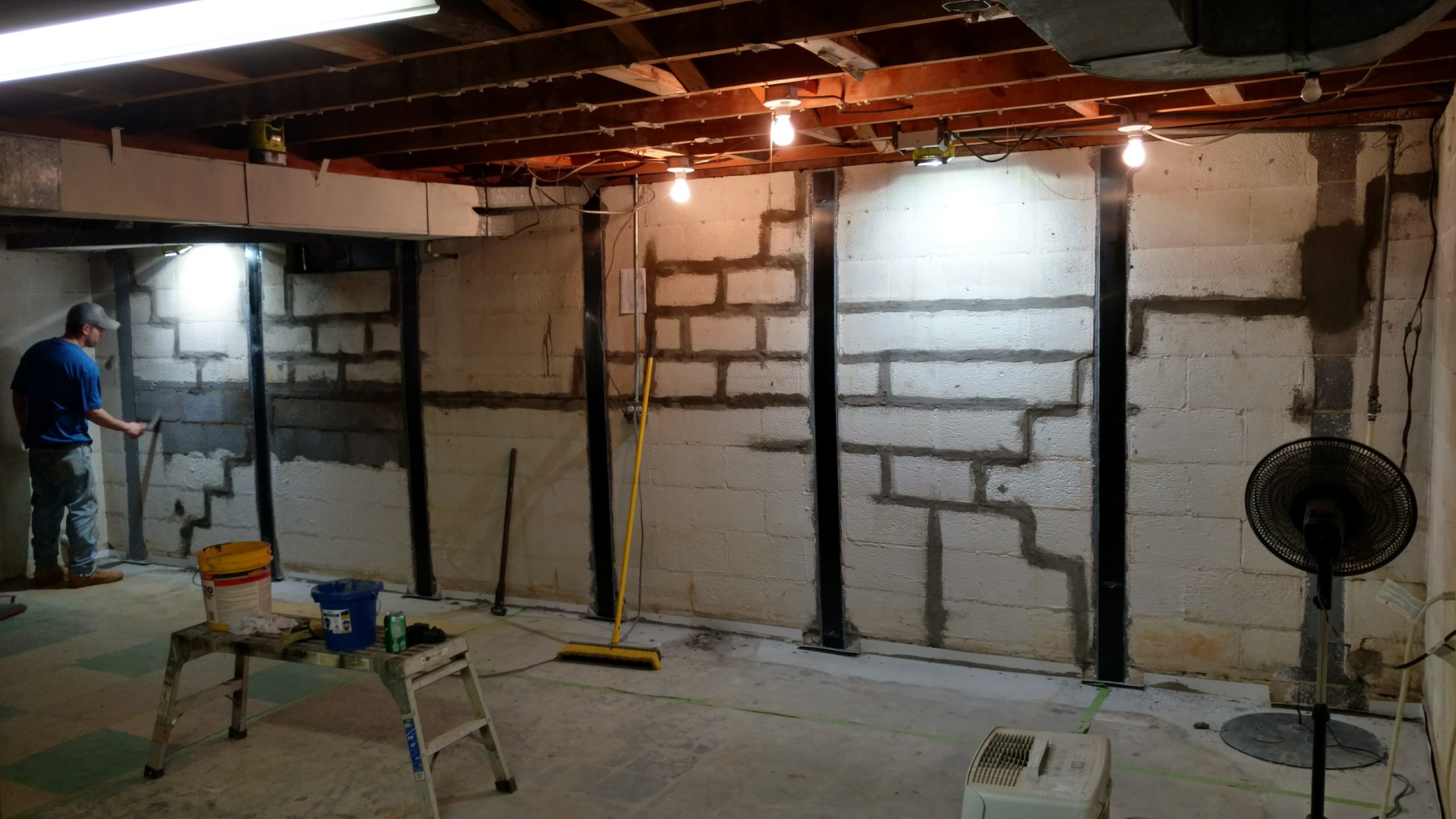
As such, it’s not just about how unsightly the cracks are, but also about the potential health risks they present.
Are Larger Cracks Always More Serious Than Smaller Ones?
No, larger cracks aren’t always more serious than smaller ones.
It’s not just about size, but also location and direction. You need to consider crack severity and how it impacts structural integrity.
For example, horizontal cracks might signal severe problems, even if they’re small.
Don’t ignore tiny cracks either, as they can expand over time.
It’s best to get any cracks evaluated by a professional to ensure your foundation is safe.
Can Foundation Cracks Be Completely Avoided in New Construction?
You can’t completely avoid foundation cracks in new construction, but you can minimize them.
Using quality construction materials and applying preventative measures during the building process significantly reduces the risk.
It’s crucial to prepare the soil properly, use strong concrete, and install sufficient drainage.
Regular inspections and maintenance also help detect potential issues early.
Don’t underestimate foundation cracks; they’re more than just cosmetic flaws. They indicate potential structural problems, caused by soil movement and pressure. Left unchecked, they invite moisture, pests, and skyrocketing repair costs. These cracks can seriously dent your home’s value. Trust a professional to repair them and prevent future damage. Remember, early detection and intervention are essential for maintaining your home’s safety and worth.

