
You’re probably familiar with the term ‘foundation repair,’ but have you ever delved into what pier and beam foundation repair specifically entails? It’s a process that addresses issues in houses built on a pier and beam foundation, typically characterized by problems like sagging floors, misaligned doors, or visible cracks. Whether it’s due to settling or moisture intrusion, these issues can threaten the stability of your home. But don’t worry; there are strategies for reinforcement and prevention. Curious about what those might be and how to spot the signs of needed repair? Let’s explore this together.
Key Takeaways
- Pier and beam foundation repair involves fixing issues like sagging houses, jammed doors, and sloping floors, often caused by beam instability.
- Repair strategies include installing additional piers, reinforcing beams, and realigning structures to correct alignment issues.
- The repair process includes a detailed inspection to identify the extent of damage, material gathering, and precise removal and replacement of damaged piers and beams.
- Post-repair examination is crucial to ensure the integrity of the work, followed by site cleanup.
- Costs for pier and beam foundation repair depend on the complexity of the issue, material and labor costs, inspection fees, warranty options, and seasonal factors.
Understanding Pier and Beam Foundations
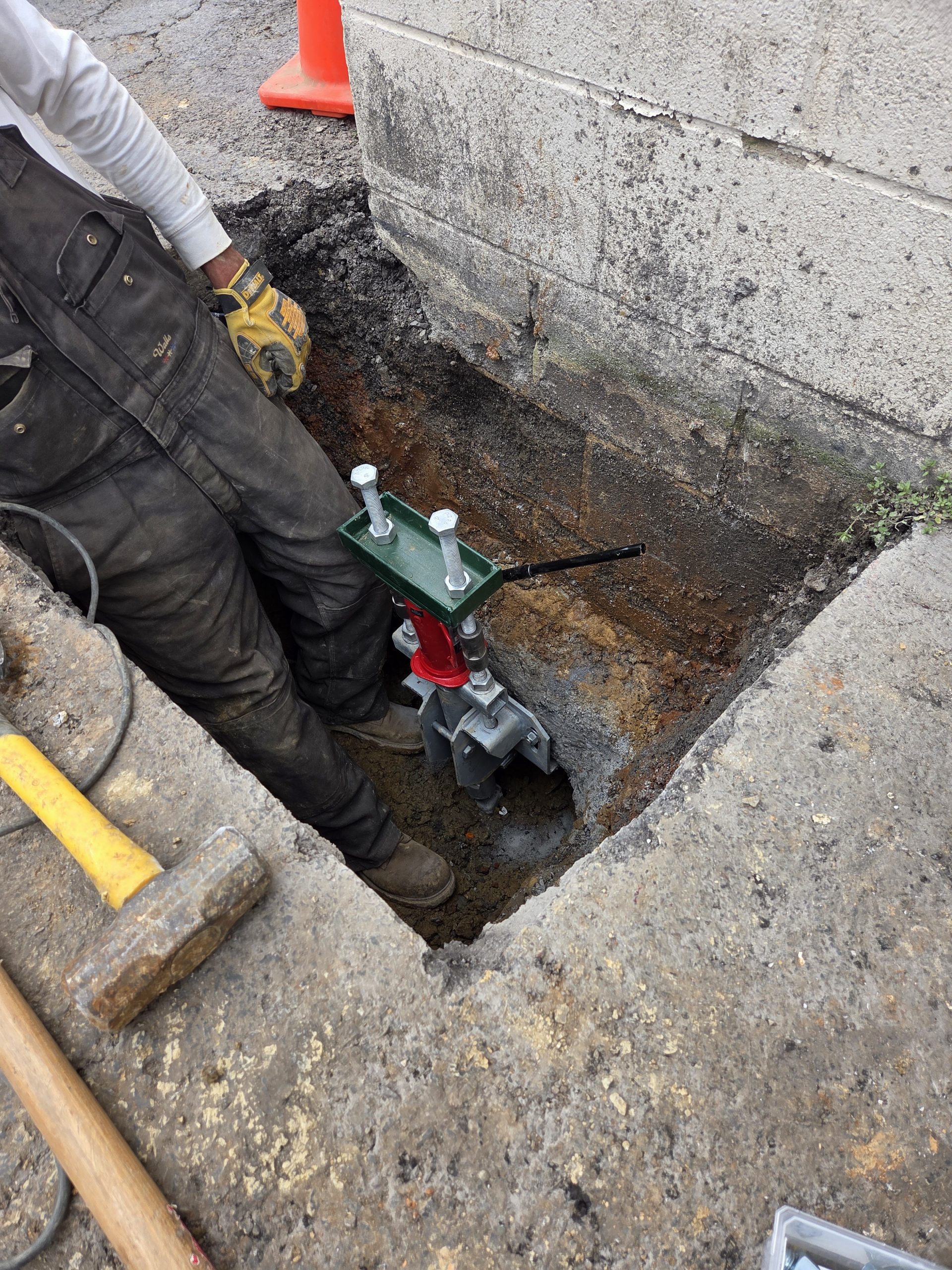 Navigating the world of home repair can be daunting, especially when it comes to understanding pier and beam foundations. But don’t worry, you’re not alone.
Pier and beam foundations, also known as post and beam, are traditional systems used in home construction. Your foundation is made up of piers, which are vertical pillar-like structures, and beams, the horizontal elements that rest on the piers.
There’s a variety of pier types to choose from, each with its own benefits. Concrete piers are strong and durable, making them a popular choice. Steel piers, on the other hand, are resistant to weather and termites, offering long-lasting stability.
When it comes to beam materials, you’ve got options too. Wood beams are common, but they can be susceptible to rot and pests. Steel beams are a more modern choice, offering greater strength and resistance to damage.
Understanding the basics of pier and beam foundations helps you make informed decisions about home repair.
Importance of a Solid Foundation
You might think a solid foundation is simply a given, but let’s unpack its true significance.
Understanding the basics of your foundation can help you spot potential issues early, saving you time, money, and stress.
Neglecting your foundation, on the other hand, can lead to serious consequences down the line.
Understanding Foundation Basics
Often, the significance of a solid foundation is overlooked when considering the structural integrity of a building. However, you need to understand that the foundation is the backbone of any structure. It’s what keeps your building upright, stable, and secure.
There are several foundation types, each with its own set of advantages and requirements. Some of the common types include slab foundations, crawl space foundations, and pier and beam foundations.
You’ve got to choose the right type based on a number of factors such as your building’s design, the soil conditions, and your geographical location.
Speaking of soil conditions, they greatly influence the choice of your foundation type. Soils with high clay content can expand and contract significantly with changes in moisture content, leading to potential foundation issues. Conversely, sandy soils offer better drainage and are less prone to movement, but might require deeper foundations for adequate support.
It’s imperative to have a good understanding of these foundation basics. This knowledge won’t only help you make informed decisions about your construction project, but also identify when your foundation might need repair, such as in the case of a pier and beam foundation.
Significance of Solid Foundations
Without a solid foundation, your building is like a house of cards, bound to collapse with the slightest disturbance.
Foundation stability isn’t a trivial matter—it’s the heart of your building’s structural integrity. And, your building’s structural integrity, well, it’s like your health—you don’t truly appreciate it until it’s gone.
Consider these four points:
- Foundation stability ensures safety: A solid foundation provides the necessary support to keep your building upright and safe. It’s the bedrock that guards against unforeseen circumstances, such as earthquakes or heavy winds.
- It guarantees longevity: A sturdy foundation prolongs the life of your building. It’s the assurance that your investment will stand the test of time.
- It preserves property value: A building with a solid foundation retains its value. It’s a crucial factor potential buyers consider when assessing your property.
- It prevents unnecessary repairs: A sound foundation reduces the need for costly repairs down the line. It’s your best defense against future headaches and unexpected expenses.
Common Problems With Pier and Beam Foundations
Now, let’s move on to some common problems with pier and beam foundations.
You may encounter issues identifying foundation complications or dealing with beam instability.
We’ll explore these challenges and discuss strategies for effective repair.
Identifying Foundation Issues
Spotting foundation issues early on can save you from a world of trouble down the line.
When it comes to pier and beam foundations, there are specific foundation symptoms and structural indicators you should look out for.
Here are four major signs that your pier and beam foundation might be in trouble:
- Sagging or Uneven Floors: If your floors start to sag or appear uneven, this could be a clear sign of foundation issues. It’s usually due to the beams deteriorating or shifting.
- Cracks in Walls or Ceilings: Cracks are often significant structural indicators of foundation damage. If you notice any, it’s crucial to seek professional advice quickly.
- Doors and Windows that Stick or Won’t Close Properly: This is another common symptom. If doors and windows become difficult to open or close, or if they seem out of alignment, your foundation might be the culprit.
- Dampness or Musty Smells in the Crawl Space: If your crawl space starts to smell musty or you notice dampness, this could indicate a foundation problem.
Don’t ignore these signs.
Early detection can prevent further damage and costly repairs.
Repairing Beam Instability
When your foundation begins to falter, one common problem you might face is beam instability. Beam instability can cause your house to sag, doors to jam, and floors to slope. It’s a serious issue that requires immediate attention.
Various repair techniques are available to restore beam stability. Techniques range from installing additional piers for support, reinforcing existing beams with steel plates, or even replacing damaged sections of the beam. You’ll need to consult with a professional to determine the right solution for your property.
Here’s a quick overview of common problems, causes, and solutions:
| Problem | Cause | Solution |
|---|---|---|
| Sagging House | Beam Instability | Install additional piers |
| Jammed Doors | Beam Instability | Reinforce beams with steel plates |
| Sloping Floors | Beam Instability | Replace damaged sections of beams |
Signs You Need Foundation Repair
It’s vital to stay vigilant for any signs that your pier and beam foundation may require repair.
Recognizing the early symptoms can save you from catastrophic damage and expensive repairs down the line. Here are four signs to watch out for:
- Cracked Walls and Uneven Floors: This is usually the first sign of a problem. If you see cracks in your walls or notice that your floors are uneven, it could indicate structural instability in your foundation.
- Moisture Issues and Mold Growth: Excessive moisture can cause serious damage to your foundation. If you notice dampness or mold growth in your home, it might be due to plumbing leaks or drainage problems affecting your foundation.
- Sagging Beams and Pest Infestations: Sagging beams are a clear sign of a foundation issue. Additionally, pests like termites can cause extensive damage to your beams, further exacerbating the problem.
- Soil Erosion: Soil erosion around your foundation can lead to serious structural issues. If your foundation appears to be sinking or shifting, it’s time to call a professional.
Don’t wait until it’s too late. If you notice any of these signs, reach out to a foundation repair specialist immediately.
The Process of Pier and Beam Repair
Understanding the process of pier and beam repair can help you make informed decisions about your home’s foundation. Knowing what’s involved can also make it easier for you to assess the quality of a contractor’s work.
First, a thorough inspection is conducted to identify the extent of the damage. This step is crucial as it determines which repair techniques will be applied. Once the problem areas have been identified, the necessary foundation materials are gathered. These could include concrete piers, steel beams or wooden posts, depending on your home’s specific needs.
Next comes the actual repair. The damaged piers and beams are carefully removed and replaced with new ones. This process requires precision and expertise to ensure the integrity of your home’s foundation isn’t compromised.
After the replacement, your foundation is meticulously examined to ensure the repair has been done correctly. Any necessary adjustments are made at this stage. The area is then cleaned up and any leftover materials are removed.
Throughout this process, it’s essential that you’re kept informed and involved. After all, it’s your home’s foundation that’s being repaired. Understanding this process can prepare you for what to expect when hiring a contractor to do the job.
Cost Factors in Foundation Repair
Several factors influence the cost of pier and beam foundation repair. Understanding these variables can help you anticipate cost estimates and make informed decisions about your repair project.
- Repair Techniques: The complexity and extent of the damage dictate the repair techniques used, affecting the overall cost. Simple repairs are cheaper than extensive restorations.
- Material Choices: The type and quality of materials chosen for the repair can significantly influence costs. Premium materials mean higher expenses.
- Labor Expenses: Labor costs can vary based on geographic influences and project timelines. Rush jobs in high-cost areas may require higher pay for workers.
- Inspection Fees and Warranties: Before work commences, professional inspections are necessary. These fees, along with warranty options, add to your budget.
Seasonal impacts can also alter costs. For instance, repairs conducted during wet seasons might be more expensive due to added challenges.
Don’t forget to consider financing solutions, which can help spread out the cost over time.
Choosing a Foundation Repair Contractor
Now that you’ve considered all the factors that could affect the cost of your pier and beam foundation repair, the next step is to select the right contractor for the job. It’s not a decision to take lightly as it could make or break your project.
Start by looking at contractor qualifications. You don’t want a rookie handling your foundation; you need a pro. Make sure they’ve got the required licenses and certifications. Check their experience in pier and beam repair specifically. Ask for references and actually call them. Find out how they handled previous jobs and if their customers were satisfied.
Next, consider repair warranties. You need to know that if anything goes wrong, you’re covered. A good contractor stands by their work. They’ll offer you a warranty that covers any future damages or issues that might arise from their repair.
Don’t just go for the lowest bid. Often, you’ll get what you pay for. Instead, consider the contractor’s reputation, qualifications, and the warranty offered. A little extra investment now can save you big headaches down the line.
Preventative Measures for Foundation Damage
Shielding your home from future foundation damage is a worthwhile endeavor.
It’s vital to understand the preventative measures you can take, given the potential impacts of soil moisture, root intrusion, seasonal changes, pest infestations, and water runoff on your foundation’s integrity.
- Site Selection: Choose a location that adheres to local building codes and is less prone to water runoff.
 Your site selection can significantly influence the longevity of your foundation.
- Landscaping Impacts: Be mindful of root intrusion from trees and shrubs.
Over time, roots can damage your foundation, resulting in costly repairs.
- Drainage Systems: Invest in an effective drainage system.
It can help maintain soil moisture and prevent water accumulation around your foundation, which can lead to damage.
- Utility Placement: Ensure your utilities are placed strategically to avoid causing undue pressure on your foundation.
Frequently Asked Questions
Can DIY Methods Be Effective for Pier and Beam Foundation Repair?
While you can attempt DIY techniques for pier and beam foundation repair, it’s not usually recommended.
This type of repair requires specialized knowledge and equipment. Mistakes can lead to further damage, making it costlier in the long run.
Hiring a professional ensures the job’s done right the first time, potentially saving you money and stress.
How Long Does a Pier and Beam Foundation Repair Typically Last?
When you fix your pier and beam foundation, the repair’s longevity can vary.
It’s largely dependent on the quality of the work and the materials used. Typically, a good repair can last for many years, even decades.
But remember, regular maintenance is key to prolonging that lifespan. Keep an eye out for signs of new damage and address any issues promptly.
That way, you’re giving your foundation the best chance at a long, sturdy life.
Does Homeowners Insurance Typically Cover Pier and Beam Foundation Repairs?
Typically, your homeowner’s insurance doesn’t cover pier and beam foundation repairs.
It’s regarded as a maintenance issue, not accidental damage. Most policies only cover unexpected events like fire or natural disasters.
However, it’s always wise to check your insurance coverage because policies vary. Some may provide coverage if the foundation damage is caused by a covered peril.
Be mindful of your policy limitations and don’t assume you’re covered without confirmation.
Are There Environmental Considerations When Repairing a Pier and Beam Foundation?
Yes, there are environmental considerations when repairing a pier and beam foundation.
You’ll want to use eco-friendly materials and sustainability practices to minimize environmental impact. You can opt for recycled or sustainably sourced materials.
Plus, efficient use of resources can reduce waste.
It’s also vital to consider local wildlife and vegetation during the repair process.
It’s not just about fixing your foundation, but doing it in a way that respects our planet.
So, you’ve got the lowdown on pier and beam foundation repair. It’s all about catching issues early, knowing the signs, and getting the right help. Remember, a solid foundation is key to your home’s stability and safety. Don’t ignore sagging floors or misaligned doors – they might be signaling a bigger problem. And don’t forget, prevention is always better than cure. Keep an eye on drainage and moisture levels to prevent costly repairs down the line.

