
The foundation of your home is the critical structure that supports everything above it. A strong, stable foundation is essential to the safety and longevity of your house. However, over time, various factors can lead to foundation problems that require immediate attention. Ignoring these issues can result in severe damage, costly repairs, and even a compromised living environment. This article provides a comprehensive guide to understanding foundation repair, including common causes of foundation damage, signs to look out for, and the different methods used to restore the integrity of your home’s foundation.
Common Causes of Foundation Damage
Several factors can contribute to the weakening or damage of a home’s foundation. Understanding these causes is the first step in preventing and addressing foundation problems:
- Soil Movement and Settlement: The soil beneath your home can shift or settle due to various reasons, including natural changes in moisture levels, poor compaction during construction, or the type of soil itself. Expansive soils, which swell when wet and shrink when dry, are particularly problematic and can lead to significant foundation movement.
- Water Damage: Water is one of the most common culprits behind foundation issues. Poor drainage, leaking plumbing, or excessive groundwater can cause soil erosion, leading to the settlement or cracking of the foundation. Additionally, if water accumulates around the foundation, it can exert hydrostatic pressure, pushing against the foundation walls and causing them to crack or bow.

- Tree Roots: The roots of large trees near your home can grow towards the foundation in search of moisture. As they grow, they can exert pressure on the foundation, causing cracks or shifting the structure.
- Poor Construction Practices: Foundations that were not built to proper standards, such as inadequate reinforcement or improper mixing of concrete, are more susceptible to damage. Poor construction practices can result in a foundation that is not strong enough to support the weight of the home over time.
- Temperature Fluctuations: Extreme temperature changes can cause the soil to expand and contract, putting stress on the foundation. Repeated freeze-thaw cycles, in particular, can lead to cracks in the foundation.
- Natural Disasters: Earthquakes, floods, and landslides can cause sudden and severe damage to a foundation. Even minor seismic activity can create small cracks that, over time, can develop into significant structural problems.
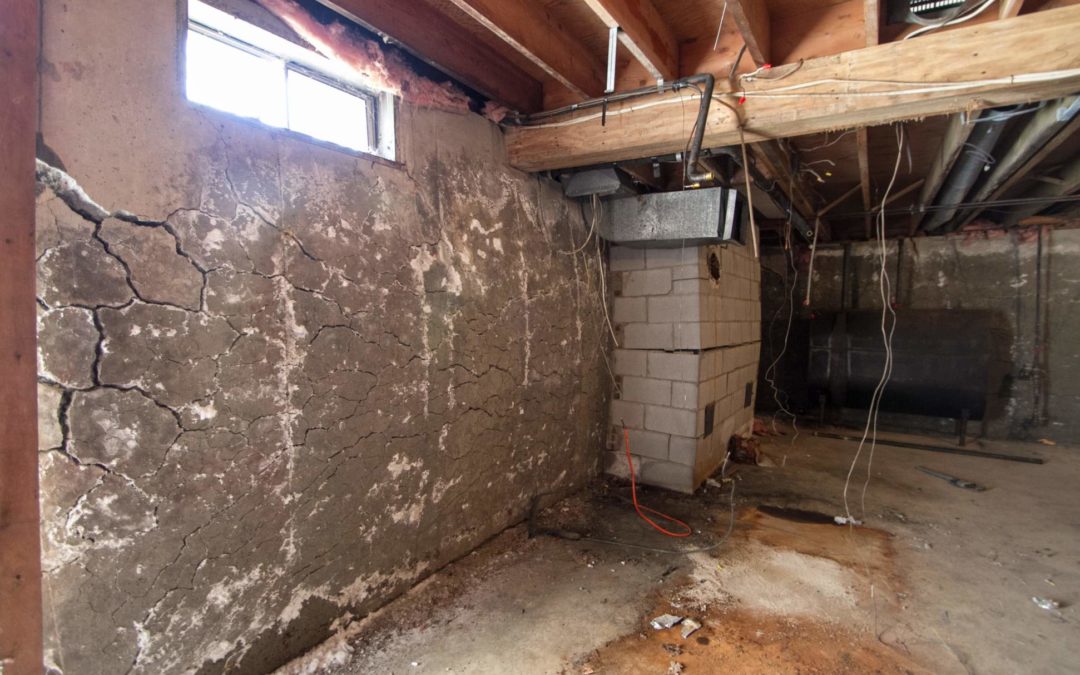
Understanding the root cause of foundation damage is crucial for determining the most effective repair method and preventing future issues.
Signs Your Foundation Needs Repair
Early detection of foundation problems is key to avoiding extensive damage and costly repairs. Here are some common signs that your foundation may need repair:
- Cracks in Walls and Floors: One of the most visible signs of foundation damage is the appearance of cracks in the walls, floors, or ceiling. Horizontal cracks, particularly in the basement, can indicate significant foundation movement.
- Uneven or Sloping Floors: If your floors are no longer level, it could be a sign that the foundation is settling unevenly. This is often accompanied by gaps between the floor and walls.
- Sticking Doors and Windows: Doors and windows that suddenly become difficult to open or close may be a sign that the foundation has shifted, causing the frames to become misaligned.
- Bowing or Leaning Walls: Foundation walls that bow inward or outward or appear to be leaning are signs of severe pressure on the foundation, often due to soil movement or water pressure.
- Gaps Around Windows and Doors: As the foundation settles, gaps may form around windows and doors, indicating that the structure is shifting.
- Water Intrusion in the Basement: Water entering the basement, especially through cracks in the walls or floor, is a clear indication of foundation issues. This can lead to mold growth and further damage if not addressed promptly.
- Separation of Exterior Features: If you notice that your chimney, stairs, or other exterior features are pulling away from the house, it could be a sign of foundation movement.
If you observe any of these signs, it’s essential to contact a foundation repair specialist for a thorough inspection and diagnosis.
Foundation Repair Methods
There are several methods used to repair foundation damage, each suited to specific types of issues and severity. Here are the most common foundation repair techniques:
- Piering (Underpinning): Piering involves driving steel piers or concrete piers deep into the ground beneath the foundation to stabilize it. This method is particularly effective for homes built on expansive soils or where the foundation has settled unevenly. There are different types of piers, including:
- Helical Piers: These are screwed into the ground like giant screws and are often used for lighter structures or where minimal disturbance to the surrounding area is required.
- Push Piers: These are hydraulically driven into the ground until they reach a stable layer of soil or bedrock. They are suitable for heavier structures and provide a permanent solution to foundation settlement.
- Slab Jacking (Mudjacking): Slab jacking is a technique used to lift a sunken concrete slab back to its original position. This is done by injecting a mixture of cement, sand, and other materials under the slab to fill voids and raise the foundation. Slab jacking is commonly used for driveways, patios, and other flat surfaces, but it can also be applied to foundations with minor settlement issues.
- Wall Anchors: Wall anchors are used to stabilize and straighten bowing or leaning foundation walls. This method involves installing steel rods or plates on the interior and exterior sides of the wall, which are then connected and tightened to apply pressure, gradually straightening the wall over time.
- Carbon Fiber Reinforcement: Carbon fiber strips are used to reinforce cracked or bowing foundation walls. These strips are bonded to the wall with epoxy, providing additional strength and preventing further movement. Carbon fiber reinforcement is a non-invasive, cost-effective solution for minor to moderate foundation issues.
- Grouting (Chemical or Cement): Grouting involves injecting a mixture of cement or chemicals into the soil beneath the foundation to stabilize the ground and prevent further settlement. Chemical grouting can be used to fill voids and strengthen loose soil, while cement grouting is often used to repair cracks in the foundation.
- Waterproofing: If water is a primary cause of foundation damage, waterproofing measures such as installing a drainage system, sump pump, or applying waterproof coatings to the foundation walls may be necessary. These methods help redirect water away from the foundation and prevent future water-related issues.
- Soil Stabilization: In cases where expansive or loose soils are causing foundation problems, soil stabilization techniques may be employed. This can include adding chemicals or other materials to the soil to improve its load-bearing capacity and reduce movement.
The choice of repair method depends on the specific problem, the extent of the damage, and the underlying cause. A qualified foundation repair contractor can assess the situation and recommend the most appropriate solution.
Choosing a Foundation Repair Contractor
Selecting the right foundation repair contractor is crucial to ensuring the success of your repair project. Here are some tips for choosing a reputable contractor:
- Experience and Expertise: Look for a contractor with extensive experience in foundation repair. Check their credentials, certifications, and track record of successful projects.
- Customer Reviews and References: Reading online reviews and asking for references from previous clients can give you insight into the contractor’s reliability and quality of work.

- Warranty and Guarantees: A reputable contractor should offer a warranty on their work, providing you with peace of mind that the repair will last.
- Transparent Pricing: Ensure that the contractor provides a detailed, written estimate that outlines all costs associated with the repair. Be wary of contractors who offer low prices without a clear explanation of the work involved.
- Licensing and Insurance: Verify that the contractor is properly licensed and insured to perform foundation repair work in your area. This protects you from liability in case of accidents or damage during the repair process.
- Communication: Choose a contractor who communicates clearly and keeps you informed throughout the repair process. They should be willing to answer your questions and explain the repair methods they recommend.
Preventing Future Foundation Issues
Once your foundation has been repaired, it’s important to take steps to prevent future issues. Here are some tips for maintaining a healthy foundation:
- Maintain Proper Drainage: Ensure that water is directed away from the foundation through proper grading, gutters, and downspouts. Consider installing a French drain or other drainage systems if necessary.
- Monitor Soil Moisture Levels: In areas with expansive soils, it’s important to keep the soil around your foundation consistently moist to prevent excessive expansion and contraction. Avoid overwatering, but don’t let the soil dry out completely.
- Inspect Regularly: Perform regular inspections of your foundation, both inside and outside, to catch any signs of movement or damage early. Address any issues promptly to prevent them from worsening.
- Control Vegetation: Keep large trees and shrubs away from the foundation to prevent roots from exerting pressure on the structure. If necessary, consult with a professional to remove or manage vegetation near the foundation.
- Address Plumbing Leaks: Leaking pipes, particularly those under the foundation, can lead to soil erosion and settlement. Fix any plumbing issues as soon as they are detected.
Foundation repair is a critical aspect of home maintenance that should never be overlooked. Understanding the causes of foundation damage, recognizing the signs of trouble, and knowing the various repair methods available can help you protect your home’s structural integrity. By choosing a qualified contractor and taking preventive measures, you can ensure that your foundation remains strong and stable for years to come. Whether you’re dealing with minor cracks or major structural issues, timely foundation repair
is essential for maintaining the safety and value of your home. Investing in proper foundation repair not only addresses current issues but also prevents future problems, ensuring that your home remains a secure and comfortable place for you and your family.
Foundation repair may seem daunting, but with the right knowledge and professional help, it can be effectively managed. Remember, the sooner you address any foundation problems, the less likely they are to escalate into more significant, more costly issues. By staying vigilant and proactive, you can protect your home from the ground up, ensuring its stability and longevity for years to come.
Contact the Professionals at SURE-DRI Basement Waterproofing Today! (540) 924-3362


