
As a homeowner, you’ve likely thought about many aspects of home maintenance, but have you considered the importance of basement waterproofing? Understanding the reasons for basement moisture, recognizing signs of water damage, and knowing the right waterproofing method can make all the difference in maintaining your property’s value. This guide will walk you through every step of the process, including the cost and how to choose the right professionals. But there’s more to it, isn’t there? Stick around, you’ll be surprised at what you’re about to learn.
Key Takeaways
- Basement waterproofing involves interior and exterior methods to prevent water entry and control humidity.
- Causes of basement moisture include high groundwater levels, cracks in walls or floors, condensation, and household activities.
- Professional waterproofing services typically cost between $2,000 to $6,000, with prices varying based on the complexity of the job.
- When hiring a waterproofing expert, verify credentials, assess industry experience, review testimonials, inquire about guarantees, and evaluate pricing transparency.
- Regular maintenance of waterproofing work is crucial to prevent water damage, increase property value, and ensure basement safety.
Understanding Basement Waterproofing
Dampness, that unwelcome intruder in your basement, is more than just an inconvenience. It’s a clear indicator of basement humidity issues, potentially leading to structural damage, mold growth, and health hazards. Knowing how to handle it is essential.
Firstly, you need to understand what basement waterproofing is. It’s a process designed to prevent water from entering your basement. It doesn’t just stop at preventing immediate water invasion but also controls the humidity level to maintain a dry and safe environment.
There are different methods of basement waterproofing. Interior waterproofing is one, where sealants are applied to the walls and floors to keep out moisture. It’s a good solution for minor dampness but may not hold up against serious water influx.
Another method is exterior waterproofing, which involves installing drainage systems outside your home to divert water away from the foundation. It’s a more comprehensive solution, but can be costly and involves significant groundwork.
Causes of Basement Moisture
Before diving into solutions, it’s crucial to pinpoint the causes of moisture in your basement. There’s a multitude of factors that can cause moisture build-up, but typically, it’s due to high groundwater levels, condensation issues, or a combination of both.
Groundwater levels fluctuate with the seasons and can rise during periods of heavy rainfall. If your home’s foundation isn’t adequately waterproofed, this water can seep into your basement, causing dampness and potential damage.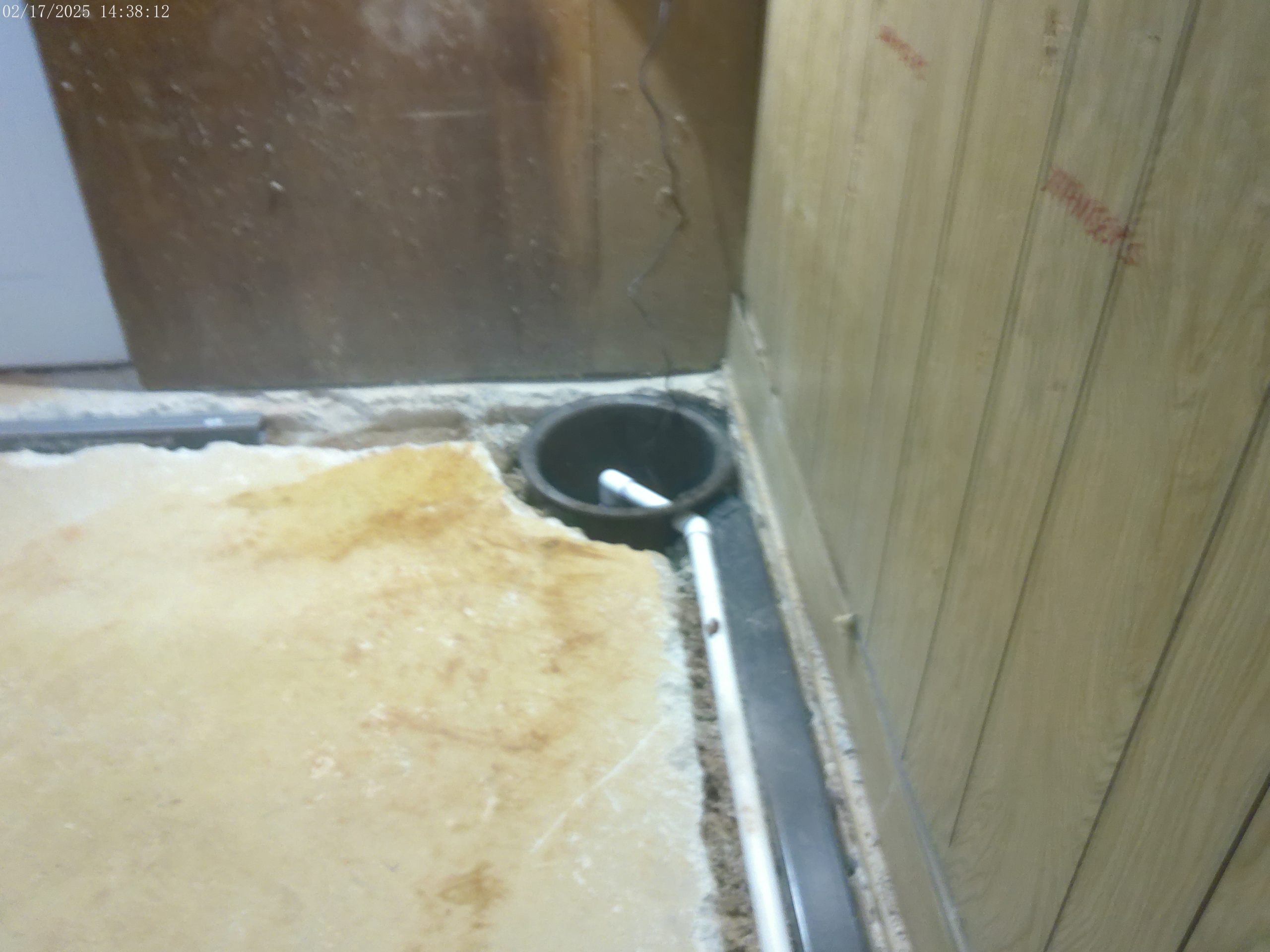
It’s also possible for groundwater to force its way through cracks in the walls or floor, so it’s essential to regularly check your basement for any signs of structural weakness.
Condensation issues are another common cause of basement moisture. This occurs when warm, moist air comes into contact with cooler basement walls and floors. The sudden drop in temperature causes the moisture in the air to condense, leading to dampness and potential mold growth.
Poor ventilation can exacerbate condensation problems, as can activities that generate a lot of moisture, such as laundry or showering. Therefore, managing humidity levels and ensuring good airflow are crucial steps in preventing basement moisture.
In the next section, we’ll look at the signs of basement water damage so you can spot problems early and take action.
Signs of Basement Water Damage
In the heart of your basement maintenance, you’ll need to keep a keen eye out for signs of water damage. These signs are often subtle but can indicate serious underlying issues such as mold growth and structural damage.
| Sign | Description |
|---|---|
| Water Stains | These may appear on walls or floors and can be a clear sign of water seepage. |
| Mold Growth | Mold thrives in damp environments. Its presence often indicates persistent moisture. |
| Structural Damage | Cracks in the walls, floors, or foundation can indicate water-related strain. |
| Damp Smell | A persistently damp, musty odor can be a telltale sign of hidden moisture. |
| Efflorescence | This white, powdery substance appears when water evaporates from concrete, brick, or stone. |
Ignoring these signs can lead to significant damage to your property. It’s crucial to address these issues promptly to prevent further deterioration. If you notice any of these signs, it’s time to consider basement waterproofing. In the upcoming section, we’ll discuss various methods of waterproofing to help you make the best decision for your home.
Methods of Basement Waterproofing
Now that you’re aware of the signs of water damage in your basement, let’s turn our attention to the methods of basement waterproofing.
There are two main techniques you’ll need to consider: interior and exterior waterproofing methods.
Both approaches have their own set of benefits and drawbacks, which we’ll discuss in detail to help you make an informed decision.
Interior Waterproofing Techniques
Waterproofing your basement from the inside serves as an effective method of keeping water at bay. Interior waterproofing methods, especially ones involving interior drainage, are often used as a preventive measure. They’re designed to deal with water once it’s entered your basement, rather than stopping it at the source.
Interior drainage is a key aspect of this process. It involves the installation of drains beneath your basement floor. These drains capture water that seeps inside and then redirects it away from your home. It’s an efficient technique, but it’s important to hire professionals for installation to ensure effectiveness.
Another crucial element of interior waterproofing is the use of vapor barriers. These barriers are applied to the walls of your basement. They’re designed to restrict the amount of moisture that can seep through your walls. Essentially, they act as a protective layer, keeping your basement dry and mold-free.
Vapor barriers can be installed fairly easily and can significantly reduce the humidity level in your basement.
Interior waterproofing techniques are essential for maintaining a dry, safe basement. They work hand-in-hand with other methods to provide a comprehensive solution to keep your basement dry all year round.
Exterior Waterproofing Methods
Your home’s exterior also plays a crucial role in preventing water intrusion into your basement. It’s not just about the inside; proper exterior waterproofing methods act as the first line of defense against moisture damage.
Proper drainage systems, for instance, are essential in leading water away from your foundation. They ensure that water never has the opportunity to seep into your basement, to begin with.
Similarly, waterproof membranes applied to the exterior walls of the basement create a physical barrier against water. It’s like giving your basement a raincoat, stopping water right at the source.
To ensure your basement remains dry, consider these exterior waterproofing methods:
- Installing French Drains: These are designed to divert water away from your home, preventing water buildup near your foundation.
- Application of Waterproof Membranes: These create a physical barrier that blocks water from penetrating your basement walls.
- Grading Your Yard: Ensuring your yard slopes away from your home helps prevent water from flowing towards your basement.
- Gutter and Downspout Maintenance: Regularly cleaning and maintaining these can prevent water overflow, directing it away from your home.
DIY Waterproofing Tips
Often, homeowners find themselves dealing with the inconvenience of a damp or flooded basement. In these situations, DIY waterproofing can be a practical, cost-effective solution. There are several DIY waterproofing methods you can use, including effective drainage solutions and sealing products.
Firstly, improving your home’s drainage system can prevent water from accumulating around your foundation. You can make modifications to your gutter system or install a French drain to carry water away from your house.
Secondly, using sealing products can prevent water from seeping into your basement. Apply a high-quality waterproofing sealant to your basement walls and floor to create a watertight barrier.
Here are some DIY waterproofing tips in a tabular format for easy reference:
| DIY Waterproofing Tips | Description |
|---|---|
| Drainage Solutions | Modify your gutter system or install a French drain. |
| Sealing Products | Use high-quality waterproofing sealants on your basement walls and floor. |
| Regular Inspection | Regularly inspect your basement for signs of water damage such as damp spots, mold, or cracking. |
Hiring Professional Waterproofing Services
When considering professional waterproofing services, it’s essential to know how to evaluate potential experts in the field.
Understanding the cost of these services is equally important, as well as what after-service maintenance may entail.
Equipped with this information, you’ll be able to make an informed decision that best suits your needs.
Evaluating Waterproofing Experts
In the realm of basement waterproofing, choosing the right professional service can mean the difference between a dry, usable basement and a damp, moldy disaster.
So, how do you evaluate waterproofing experts to ensure you’re hiring the best?
First, credentials verification is essential. Ensure the contractor holds the necessary licenses and insurance. Consider their industry experience too. How long have they been in the business?
Next, look at customer testimonials and the company’s project portfolio. These will give you insights into the quality of their work and their ability to handle different types of projects.
Service guarantees and warranty options are critical factors. A company confident in their work will offer robust guarantees.
The consultation process should be thorough and informative. The experts should assess your basement, discuss potential solutions, and provide a clear, transparent quote. This leads to pricing transparency, a key indicator of a reputable company.
So, when evaluating waterproofing experts:
- Verify their credentials and experience
- Check customer testimonials and project portfolio
- Ask about service guarantees and warranty options
- Evaluate their consultation process and pricing transparency
Cost of Professional Services
Understanding the cost of professional basement waterproofing services is crucial for informed decision-making. It’s important to know what you’re paying for, and why. The average costs vary widely, depending on several factors such as the size of your basement, the severity of the water issue, and the materials used.
Typically, professional waterproofing services can range from $2,000 to $6,000. However, more complex jobs may exceed this range. For instance, if your basement requires extensive excavation or the installation of drainage systems, the cost may escalate.
Comparing the services of different professionals can also help you get a better deal. But remember, the least expensive option isn’t always the best. You want a provider who delivers quality work and ensures your home’s safety.
So, when you’re doing your service comparisons, consider the company’s reputation, expertise, and guarantees.
Lastly, it’s worth noting that while the upfront cost might seem steep, consider the long-term benefits. Effective waterproofing can prevent structural damage to your home, mold growth, and protect your belongings from water damage.
It’s an investment in your home’s longevity and your peace of mind.
After-Service Maintenance Tips
Once you’ve invested in professional waterproofing services, keeping up with routine maintenance can extend the life of the work done and continue to protect your basement from potential water damage.
Proper maintenance can save you from spending more money on repairs or even a full basement renovation in the future.
Your after-service maintenance should include:
- Inspection: Regularly inspect your basement for signs of moisture or leaks. This is the first step in ensuring your waterproofing system is functioning properly.
- Drainage Solutions: Keep your drainage systems clean and free from debris. A well-functioning drainage system is key to preventing water buildup.
- Sump Pump Maintenance: Your sump pump is crucial in preventing basement flooding. Keep it well-maintained by cleaning and checking it periodically.
- Professional Consultation: Don’t hesitate to contact your waterproofing professional if you notice anything unusual. They’re there to help you maintain the integrity of their work.
Frequently Asked Questions
What Is the Average Cost of Basement Waterproofing?
You’re probably wondering about the average cost of basement waterproofing.
It varies greatly based on different cost factors, such as the size of your basement, the extent of the issues, and where you live.
You’re looking at anywhere from a few hundred to several thousand dollars.
DIY options can help you save money, but remember, professional services often provide long-lasting solutions that may prevent future damage.
How Long Does the Waterproofing Process Generally Take?
The duration of your basement waterproofing project can vary based on the techniques used.
A simple sealant job might take a day or two, while more extensive solutions could take up to a week.
It’s crucial to get a detailed project timeline from your contractor to understand what to expect.
Remember, it’s not a race. It’s about ensuring your home’s foundation is protected from potential water damage.
Patience ensures a job well done.
Are There Any Potential Health Risks Associated With a Damp Basement?
Yes, there are potential health risks associated with a damp basement.
One significant risk is mold growth. Mold thrives in moist, dark environments and can lead to serious respiratory problems.
The dampness can also decrease air quality, leading to other health issues.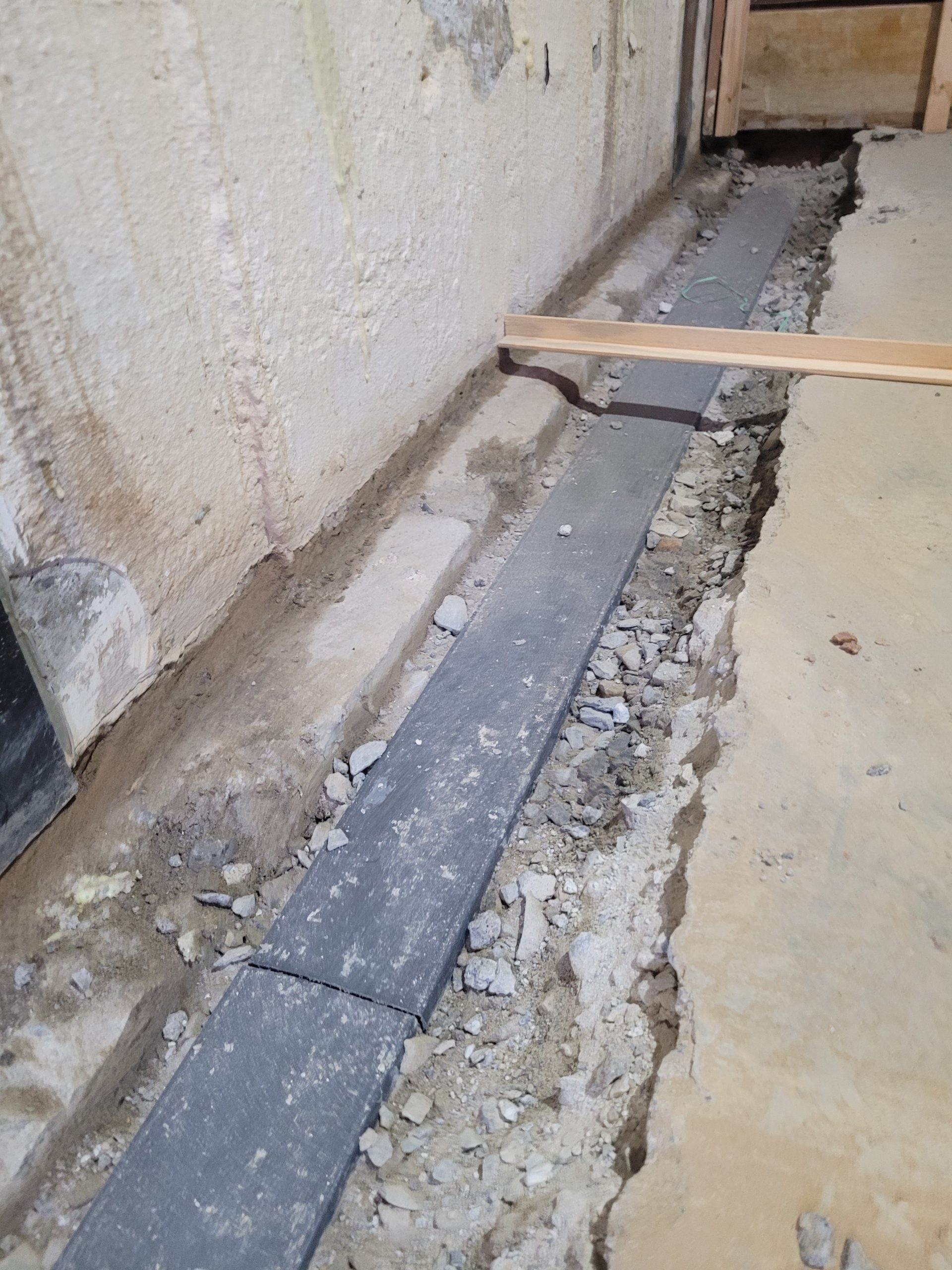
It’s important to address these issues promptly to ensure your home stays safe and healthy.
Waterproofing your basement can help prevent these risks.
Does Homeowners Insurance Typically Cover Basement Waterproofing?
Typically, homeowners insurance policies don’t cover basement waterproofing.
It’s usually perceived as a maintenance issue, not accidental damage. Most insurance providers expect you to keep up with standard home maintenance, including waterproofing.
However, it’s important to check your individual policy’s coverage limits and guidelines. Sometimes, specific circumstances or additional coverage options may offer some level of protection.
Always read your policy carefully, and when in doubt, ask your insurance agent.
Will Waterproofing My Basement Increase My Homes Value?
Absolutely! Waterproofing your basement not only safeguards your home from potential water damage, but it also enhances your property’s appeal.
Buyers often prefer homes that are well-maintained and free from potential issues like dampness or flooding. As a result, a waterproofed basement can significantly increase your home’s resale value.
It’s a worthwhile investment that’ll pay off when it’s time to sell. So, don’t hesitate to protect and elevate your home’s worth.
In conclusion, you’re now equipped with all the knowledge needed to tackle basement moisture issues. Whether it’s spotting signs of water damage, understanding its causes, or implementing effective waterproofing methods, you’ve got it covered. Remember, a DIY approach can be cost-effective, but hiring professionals guarantees expert solutions. Don’t forget, keeping your basement dry not only safeguards your property but also enhances its value. Stay vigilant, keep learning, and maintain your basement well!

