
Ever dealt with a damp, smelly, or even leaky basement? You’re not alone. We’ve helped numerous homeowners turn their basement woes into triumphs, and they’re eager to share their experiences. From installing top-notch dehumidifiers to detecting concealed leaks, we’ve tackled an array of basement issues. And the results? Basements transformed into dry, healthy spaces free from mold and structural concerns. But don’t just take our word for it. Stick around to hear the stories behind these transformations; they’re sure to make you rethink what’s possible for your own basement.
Key Takeaways
- We implemented effective moisture control in a damp basement, using dehumidifiers and waterproof coatings to prevent future issues.
- Through regular inspections, we identified a leak source in the foundation walls and sealed it, preventing further water damage.
- We successfully identified and remediated a hidden mold problem in a client’s basement, preventing spore spread and enhancing air quality.
- In a basement with persistent odors, we improved air quality by installing air purifiers and enhancing ventilation system, effectively eliminating the smells.
- We addressed serious structural issues in a basement, reinforcing cracked walls and installing a sump pump, significantly reducing the risk of future flooding.
The Persistent Dampness Dilemma
Millions of homeowners battle the persistent dampness dilemma in their basements. It’s a struggle, but you’re not alone and there are proven solutions to win this fight.
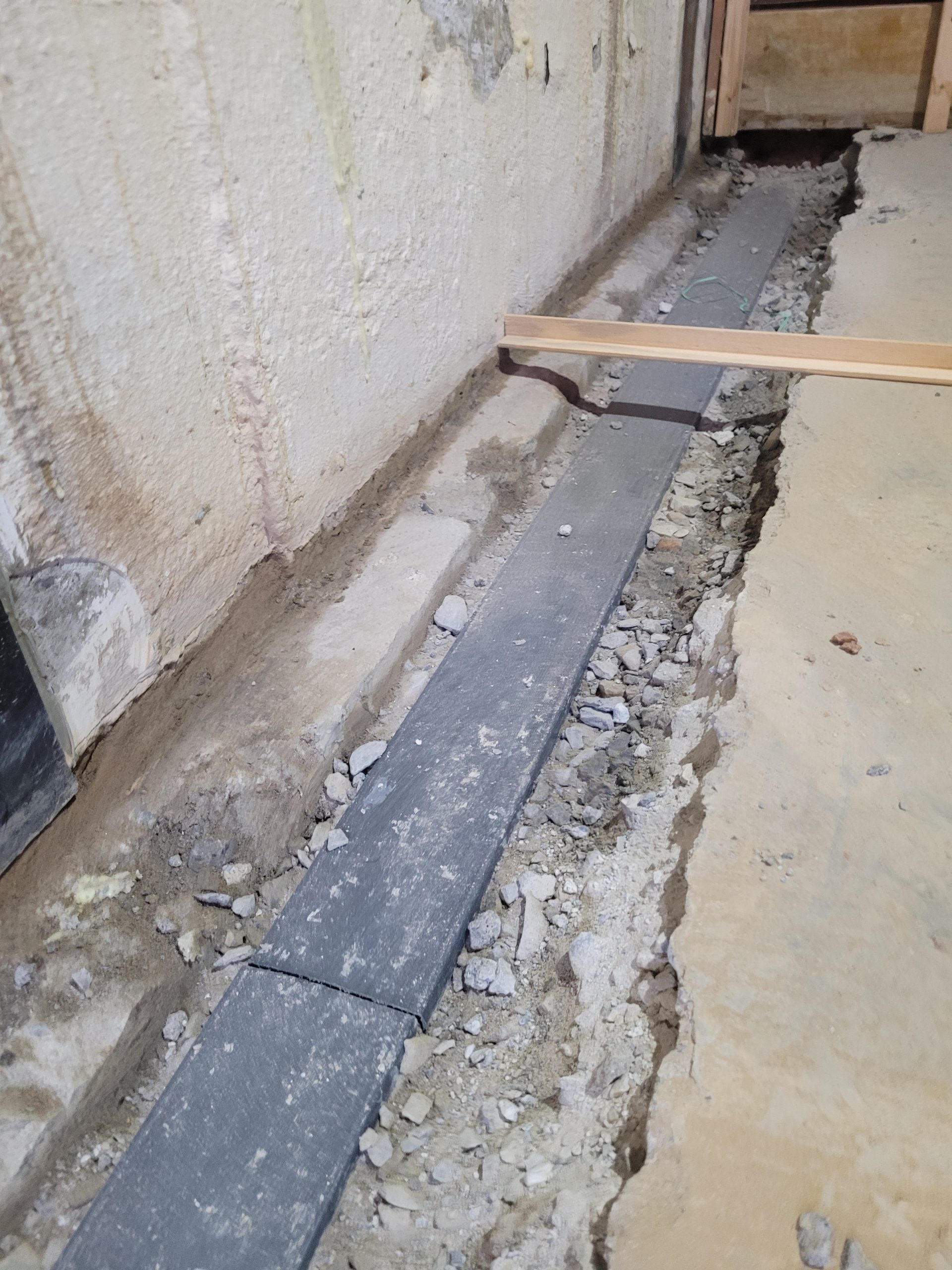 Humidity control is a critical first step. You’ve got to regulate the moisture levels down there. Consider dehumidifier options and insulation upgrades; they work wonders.
Moisture barriers are another great tool. Applied to walls and floors, they offer a layer of protection from seeping dampness.
Waterproof coatings add an extra shield. They help prevent water damage and further dampness.
But, if water’s entering your basement, you need more than barriers and coatings. That’s where drainage solutions come into play. Sump pumps, for instance, can move water away from your basement effectively.
Air circulation also plays a vital role. With proper ventilation, you can reduce the humidity and speed up the drying process.
Soil grading outside your home is another practical step. It helps direct water away from your foundation, reducing the chance of a damp basement.
Lastly, consider basement encapsulation, a comprehensive approach to seal your basement from moisture.
With these strategies, you’ll effectively tackle your basement’s dampness dilemma.
Dealing With Unpleasant Basement Odors
Unpleasant basement odors can turn your cozy retreat into a no-go zone. However, there’s no need to despair. Identifying odor sources is the first step towards reclaiming your space.
Here’s a simple table to help you get started:
| Odor Source | Common Indicators | Solutions |
|---|---|---|
| Mold/Mildew | Musty smell, visible mold spots | Use mold inhibitors, dehumidifiers |
| Sewage | Strong foul smell, signs of sewage backup | Call a professional, ensure proper sewage system |
| Old Furniture | Dusty, old smell | Clean, replace or air out furniture |
Once you’ve identified and addressed the odor sources, consider air purification. An air purifier can effectively neutralize any lingering smells. They also improve your basement’s overall air quality, making it a healthier, more enjoyable space.
Overcoming the Challenge of Basement Leaks
Just as taking care of unpleasant odors is a key part of maintaining a comfortable basement, dealing with leaks is another hurdle that you need to overcome.
Leakages aren’t just unpleasant; they can cause serious damage, from structural issues to ruined belongings.
Many homeowners struggle with finding an effective solution to handle basement leaks. However, waterproofing solutions and drainage systems have proven to be the most effective in combating this issue.
Waterproofing solutions involve sealing off potential entry points for water, making sure that your basement remains dry.
Meanwhile, drainage systems are crucial for directing water away from your home. They’re designed to catch water before it seeps into your basement, channeling it to a safe discharge point.
The Story of Stubborn Mold Problems
You’ve fixed your leaks, but now you’re facing a new foe – stubborn mold.
Let’s discuss how you can identify the issue, explore various mold remediation techniques, and find ways to prevent future mold growth.
It’s time to reclaim your basement from this pesky intruder.
Identifying the Mold Issue
In your quest to solve basement problems, encountering stubborn mold issues is a common hurdle. It’s an unwanted guest that seems to have made your basement its home, and you’re left wondering how to tackle it.
Firstly, understanding the mold growth causes is crucial. Mold thrives in damp, dark, and humid conditions. If your basement has any leaks, flooding issues, or poor ventilation, it’s like sending an open invitation to mold.
To confirm the presence of mold, you’ll need to use specific mold inspection techniques. This isn’t as daunting as it sounds. Start by visually inspecting the area for visible mold growth. Mold often appears as a fuzzy or slimy patch of black, green, or white growth on walls or floors.
Next, you can use a moisture meter to detect any damp spots that may be encouraging mold growth. Remember, mold can also grow behind walls, so it’s essential to check these areas too.
Lastly, consider hiring a professional mold inspector if you’re unsure. They’ve the training and tools to accurately identify the mold issue. It’s the first step towards reclaiming your basement from this stubborn problem.
Mold Remediation Techniques
Once you’ve identified the mold issue, it’s time to tackle it head-on with effective mold remediation techniques.
Mold prevention is the first step to ensure the problem doesn’t multiply. A dehumidifier can work wonders, reducing dampness that mold relies on to grow.
Next, isolate the affected area. Don’t let spores spread to other parts of your basement. Cover doorways and vents with plastic sheets, sealing them with duct tape.
It’s also crucial to mist the moldy areas with water before remediation. This reduces the chance of mold spores becoming airborne.
The actual mold cleanup involves scrubbing the mold off hard surfaces with detergent and water. Once cleaned, dry the surfaces thoroughly.
Porous or absorbent materials like ceiling tiles or carpet may need to be thrown away if they become moldy.
Now, here’s where professional remediation methods come into play. In severe cases, where the mold covers more than 10 square feet, or if it’s hidden behind walls or under carpets, you might need a mold remediation professional.
They’ll use advanced techniques like negative air pressure and physical barrier systems to contain the mold.
Preventing Future Mold Growth
Despite your best efforts, mold can be a stubborn opponent in the basement.
But fear not – with the right mold prevention strategies, you can keep your basement mold-free.
- Ventilation: Proper ventilation is key to preventing mold growth.
Make sure all your basement windows are open, allowing fresh air to circulate and dispel the musty, damp conditions mold loves.
- Dehumidifier: As one of the effective humidity control methods, a dehumidifier works wonders in basements.
It pulls excess moisture from the air, making it less hospitable for mold.
- Waterproofing: Waterproof your basement walls and floor.
This step can prevent moisture from seeping in and creating a perfect environment for mold.
- Regular Cleaning: Regularly clean and inspect your basement.
This isn’t just about cleanliness; it’s an opportunity to spot any signs of mold early before it becomes a major problem.
Fixing Structural Basement Damage
Your home’s structural integrity hinges on the health of your basement. Over time, factors like soil pressure and natural aging may cause structural problems. Cracked walls, bowed walls, and uneven floors can be warning signs.
But don’t panic, because foundation repair is often more straightforward than you’d think.
First, evaluate the damage. Cracks might seem scary, but they’re not always a cause for alarm. However, if they’re large, growing, or accompanied by other issues, it’s time to take action. Bring in a professional for an inspection. They’ll diagnose the problem and suggest the best repair method.
Wall stabilization is often the go-to solution for bowed basement walls. It’s a process that reinforces your walls, preventing further movement and damage.
Steel beams, wall anchors, or carbon fiber straps might be used. These techniques add strength to your walls, ensuring they can resist pressure and remain upright.
Resolving Basement Flooding Issues
Next on our agenda is tackling basement flooding issues. You’ve likely experienced the dread of finding water pooled in your basement after a heavy rain. We’re here to assure you that there are practical solutions to this problem.
- Assess the Situation: First, it’s important to identify the source of the water. Is it seeping through cracks, or is it coming from a faulty appliance? Understanding the origin helps target the right waterproofing solutions.
- Implement Waterproofing Solutions: There are a variety of options including sealants, coatings, and even installing a waterproof barrier on your exterior walls. It’s essential to pick a solution that suits your situation.
- Sump Pump Installations: A sump pump is a great tool for managing water. It collects excess water and discharges it away from your house, keeping your basement dry.
- Regular Maintenance: Finally, regular maintenance is key. Check your sump pump periodically to ensure it’s working, and maintain your waterproofing solutions to prevent future problems.
It’s never fun dealing with a flooded basement, but with the right approach, you can turn a stressful situation into a manageable one.
Addressing Insufficient Basement Ventilation
Dealing with poor basement ventilation can seem daunting, but it’s a problem that shouldn’t be ignored. When the ventilation system is insufficient, it can lead to serious issues, such as the growth of mold and mildew, structural damage, and even health problems for you and your family.
To improve air circulation, various solutions can be applied. Let’s look at some real-life examples of how these issues were addressed:
| Problem | Solution |
|---|---|
| High humidity | Installation of a dehumidifier |
| Stale air | Installation of exhaust fans |
| Lack of air flow | Added vents or windows |
| Mold growth | Air purifiers |
| Structural damage | Comprehensive ventilation system |
The key to solving these problems is understanding your basement’s unique needs. By choosing the right ventilation systems, you can dramatically improve the air quality in your basement. Remember, it’s not just about making your basement feel better; it’s about ensuring it’s a safe and healthy space for everyone.
Tackling the Issue of Poor Lighting
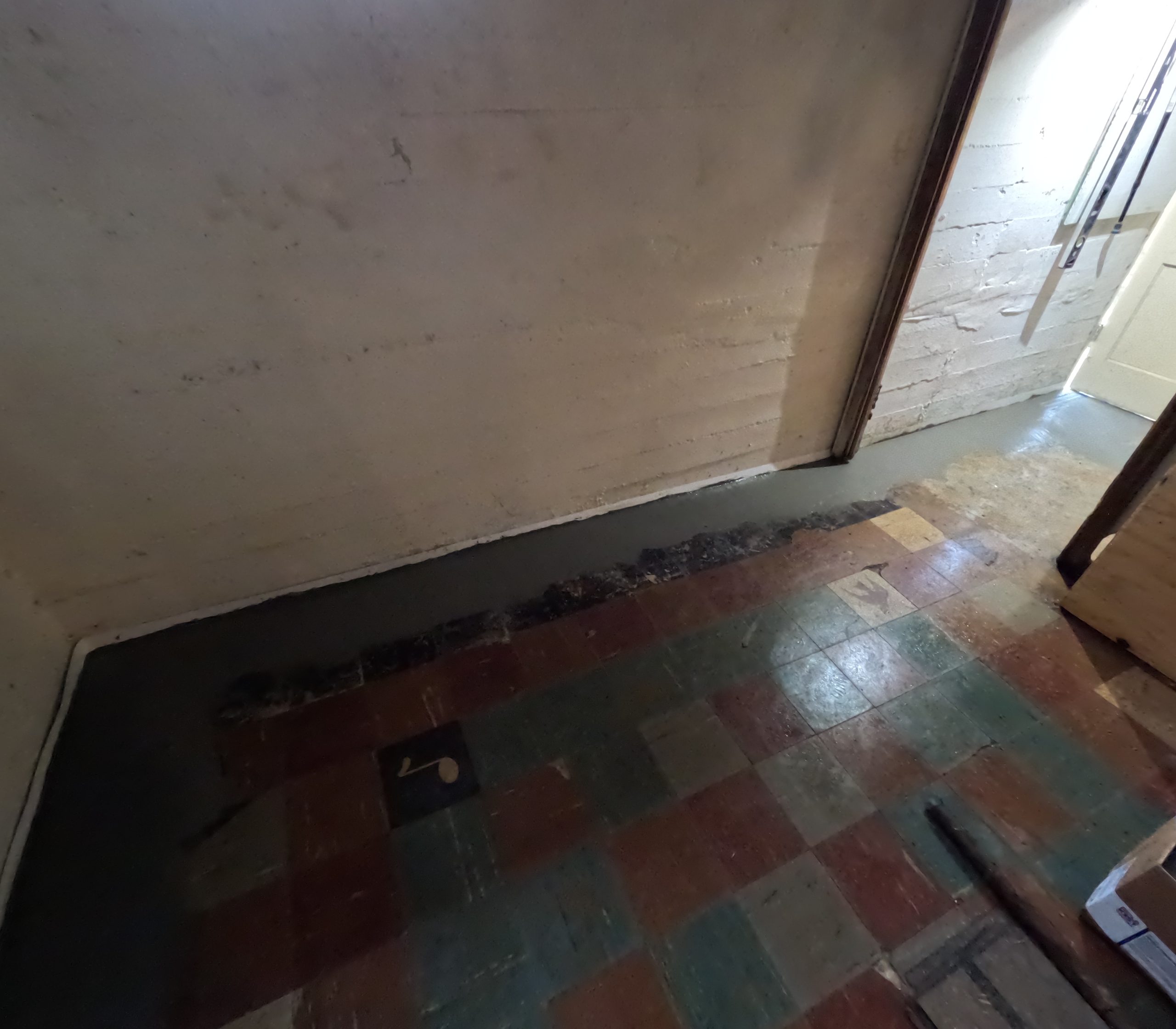 A surprising number of basements suffer from poor lighting, which can make the space feel dreary and unwelcoming.
But don’t worry, we’ve got some effective lighting solutions that’ll transform your basement into a bright and inviting space.
- Natural Lighting: If possible, consider window options that let in more natural light. Larger windows, or even a small basement window, can make a huge difference.
- Fixture Upgrades: Switching out old, dim lighting fixtures for brighter, more energy-efficient ones is another way to improve basement lighting.
- Design Enhancements: This involves the strategic use of color schemes and wall treatments. Lighter colors reflect light, making the room appear brighter.
Mirrors or glossy wall treatments can also help.
- Lighting Layers: Use a combination of ambient, task, and accent lighting. This creates depth and warmth, making the basement feel more welcoming.
Frequently Asked Questions
What Are Some Cost-Effective Solutions for Basement Insulation?
You’re looking for cost-effective basement insulation solutions, right?
Consider using fiberglass or mineral wool as insulation materials, they’re affordable and efficient.
Don’t forget a moisture barrier; it’s crucial in preventing dampness.
By doing this, you’re not just saving money, but also creating a comfortable, dry basement.
How Do I Choose the Right Contractor for My Basement Renovation?
Choosing the right contractor for your basement renovation isn’t hard if you know what to look for.
First, consider the contractor’s qualifications. They should have experience with similar projects and good references.
Next, ask about their renovation timeline. Can they complete the job in a suitable timeframe?
What Are the Best Flooring Options for Basements?
Choosing the best basement flooring depends on your needs.
If you’re after durability, concrete or tile are great options. For warmth and comfort, you might want to consider carpet or vinyl.
Remember, it’s important to avoid flooring materials that are susceptible to moisture damage.
Always consider the basement’s environment before making a decision.
It’s your space, make sure it’s comfortable, practical, and fits your style.
What Are Some Creative Ideas for Converting My Basement Into a Living Space?
Converting your basement into a living space can be exciting.
Think about transforming it into a basement office; this gives you a quiet, dedicated space for work. Alternatively, create an entertainment area for movie nights or game days.
With the right decor, furniture and lighting, you’ll have a cozy and inviting space.
How Can I Improve the Energy Efficiency of My Basement?
You can enhance your basement’s energy efficiency by improving ventilation and using energy-efficient appliances.
Proper ventilation prevents moisture buildup, thus reducing the need for dehumidifiers.
Picking appliances with good energy ratings also cuts down your energy usage.
It’s not just about saving money, it’s also about creating a comfortable, sustainable living space.
Your basement doesn’t have to be a constant problem. Just like we’ve helped countless homeowners transform their damp, leaky, and moldy basements into dry, comfortable living spaces, we’re ready to tackle your unique challenges too. With our expert solutions, you can say goodbye to structural concerns, flooding issues, poor lighting, and more. Remember, a healthy basement enhances your living experience. Reach out today, and let’s start solving your basement problems.

