Recognizing the Signs of Active Foundation Settlement
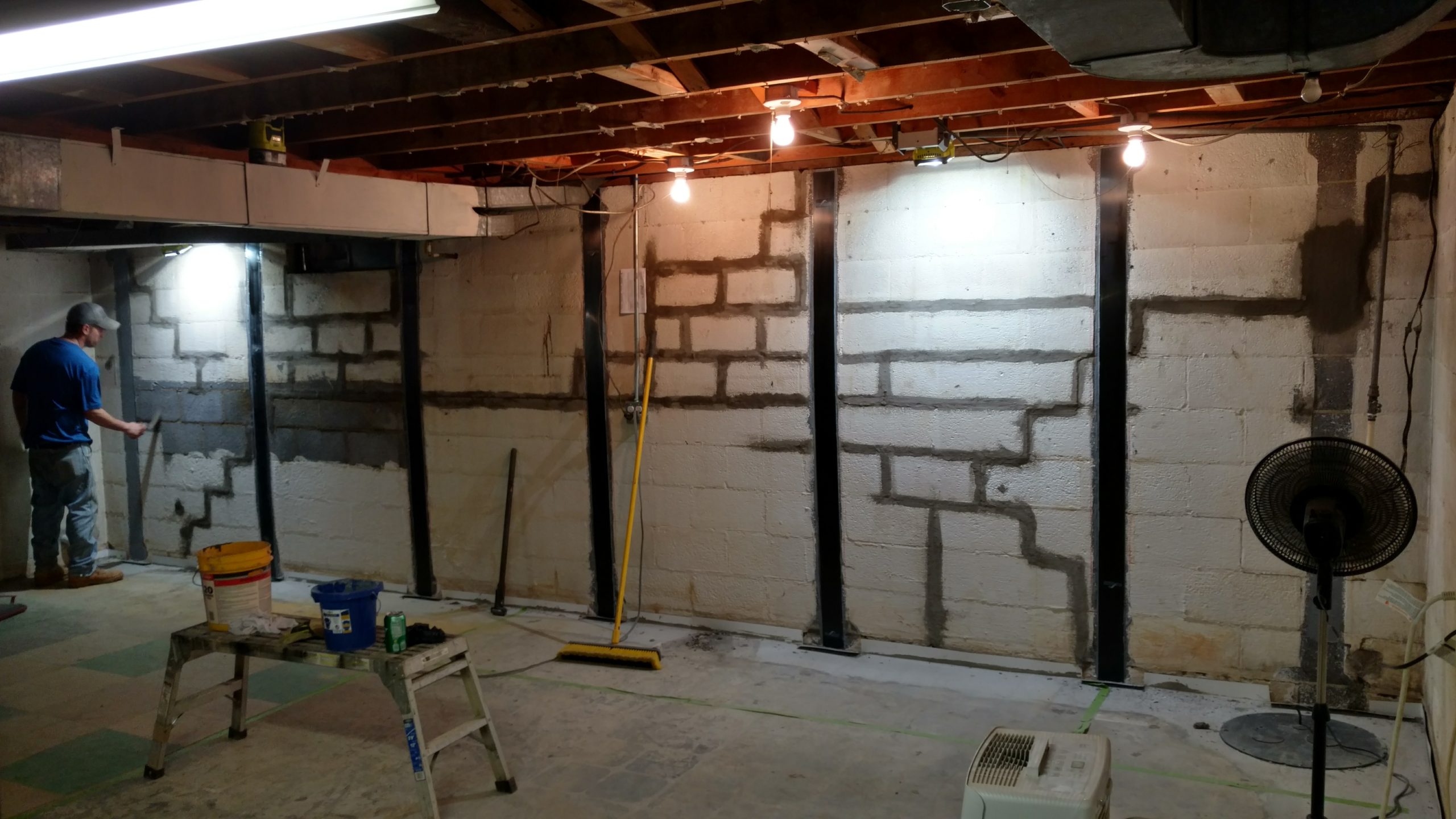
- Exterior Masonry Cracks: Stair-step cracks following the mortar lines of exterior brick, cinder block, or stone veneers.
- Door & Window Frame Distortions: Windows sticking shut or exterior doors rubbing against their frames due to a shifted structural box.
- Interior Sheetrock Fractures: Diagonal cracks radiating upward from the corners of interior doors and window openings.
- Gaps Around Trim & Chimneys: Gaps opening between baseboards and the floor, or a brick chimney tilting away from the exterior wall.
The Southwestern Virginia Soil Problem: Karst Geology & Clay Expansion
Why are homes across Roanoke, Botetourt, and Bedford counties particularly vulnerable to foundation movement? The answer lies directly beneath the grass.
Southwestern Virginia features complex karst topography—a geological formation dominated by soluble bedrock such as limestone and dolomite. Over time, rainwater dissolves underground limestone pockets, creating unpredictable subterranean voids, loose alluvial silt, and soft soil channels. When a home sits over these shifting strata, uneven settlement occurs.
Compounding this karst geology is the region’s heavy red clay soil. Local clay acts like a sponge, swelling significantly when saturated during Blue Ridge rainstorms and shrinking drastically during summer dry spells. This constant expansion and contraction cycle compromises shallow foundation footings, causing uneven sinking along load-bearing walls.
Steel Push Piers vs. Helical Piers: Which System Does Your Home Need?
To permanently stop foundation settlement, piering systems transfer the weight of your home off unstable surface soils and down to solid bedrock or load-bearing deep strata. However, push piers and helical piers achieve this goal through different mechanical principles.
Steel Push Piers: High-Capacity Support Driven to Bedrock
Steel push piers utilize high-strength, galvanized steel pipe sections hydraulically driven through heavy-duty steel brackets attached beneath your home’s footing.
- How They Work: The weight of the home itself acts as counter-resistance. Heavy hydraulic rams press the steel pier sections deep into the earth until they reach dense, unyielding bedrock or stable strata.
- Best Applications: Ideal for heavy residential structures, concrete block basements, and homes resting directly over deep bedrock pockets where immense weight is needed for proper seating.
Helical Piers: Threaded Screw Anchors for Versatile Soil Support
- How They Work: Instead of relying on the home’s weight to press them down, helical piers are mechanically turned deep into the ground using hydraulic torque drivers. They advance into the soil until reaching a pre-calculated, verified load-bearing torque capacity.
- Best Applications: Perfect for lighter structures (such as settling front porches, chimneys, or deck foundations), areas where bedrock is extremely deep or uneven, and new construction applications.
Why Sales Tactics Fail Without Engineering Diagnostics
Installing foundation piers is a major structural modification. Avoid “one-size-fits-all” sales pitches from contractors who recommend blanket solutions before analyzing load requirements. Pier placement requires exact engineering calculations regarding soil torque, structural weight distribution, and bracket spacing.
At SURE-DRI Basement Waterproofing, we are a licensed Class A Contractor with a Licensed Structural Engineer on staff. We don’t guess—we perform rigorous diagnostic evaluations to determine the exact depth, pier type, and lifting capacity required to stabilize your home permanently.
Frequently Asked Questions
How do I know if my foundation cracks are structural?
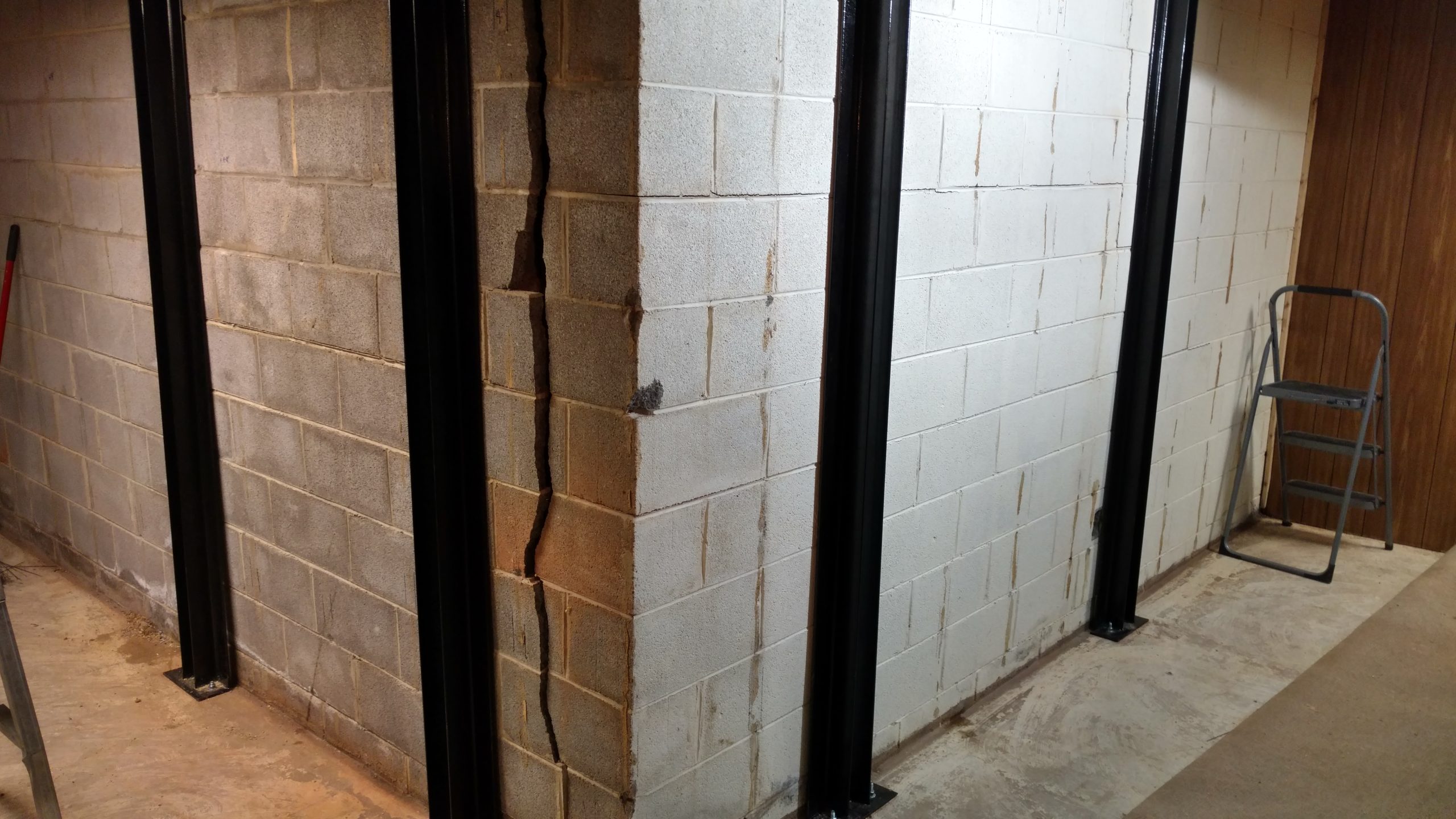
Hairline vertical cracks under 1/16-inch are often simple concrete curing shrinkage. However, stair-step cracks following brick mortar lines, horizontal block wall cracks, or diagonal fractures wider than 1/4-inch indicate active structural movement and require immediate professional evaluation.
Can foundation piers lift my home back to its original position?
In many cases, yes. Once piers reach stable bedrock or load-bearing torque strata, hydraulic jacks can lift the foundation back toward its original level position, closing brick cracks and restoring proper door and window alignment. However, safety and structural integrity dictate lift limits.
How long do engineered foundation piers last?
Galvanized steel piering systems are engineered to last for the remaining life of the structure. Because they bypass shifting surface clay to anchor directly into load-bearing strata, they provide permanent structural stabilization backed by transferable long-term warranties.
Protect Your Home’s Foundation Value Today
Don’t wait for minor stair-step cracks to turn into catastrophic structural failure. Trust the local team with over two decades of experience and on-staff engineering expertise in Southwestern Virginia.
Contact SURE-DRI Basement Waterproofing today at (540) 870-5118 to schedule your professional structural evaluation across Roanoke, Salem, Daleville, and surrounding communities.