
If you’re looking to bolster your interior waterproofing strategy, incorporating drainage matting can be a game-changer. Selecting the right type, installing it correctly, and maintaining it regularly is key. But, how do you pick the right type of matting? What’s the most effective way to install it? And what common mistakes should you steer clear of? We’ll unravel these questions and more, equipping you with the know-how to effectively use drainage matting in your waterproofing arsenal. Stick around, there’s more to learn.
Key Takeaways
- Determine the type of drainage matting that suits your home’s waterproofing needs, such as dimpled polyethylene or geocomposite drainage mat.
- Install the drainage matting accurately by ensuring a clean foundation wall and securing the matting with adhesive or fasteners.
- Regularly maintain the drainage matting by inspecting for wear and tear, checking for blockages, and cleaning with mild detergent.
- Monitor the effectiveness of your waterproofing using indicators like the presence of water puddles, mold growth, and changes in odor.
- Assess any potential structural damage and monitor humidity levels regularly to ensure the success of your interior waterproofing strategy.
Understanding Interior Waterproofing
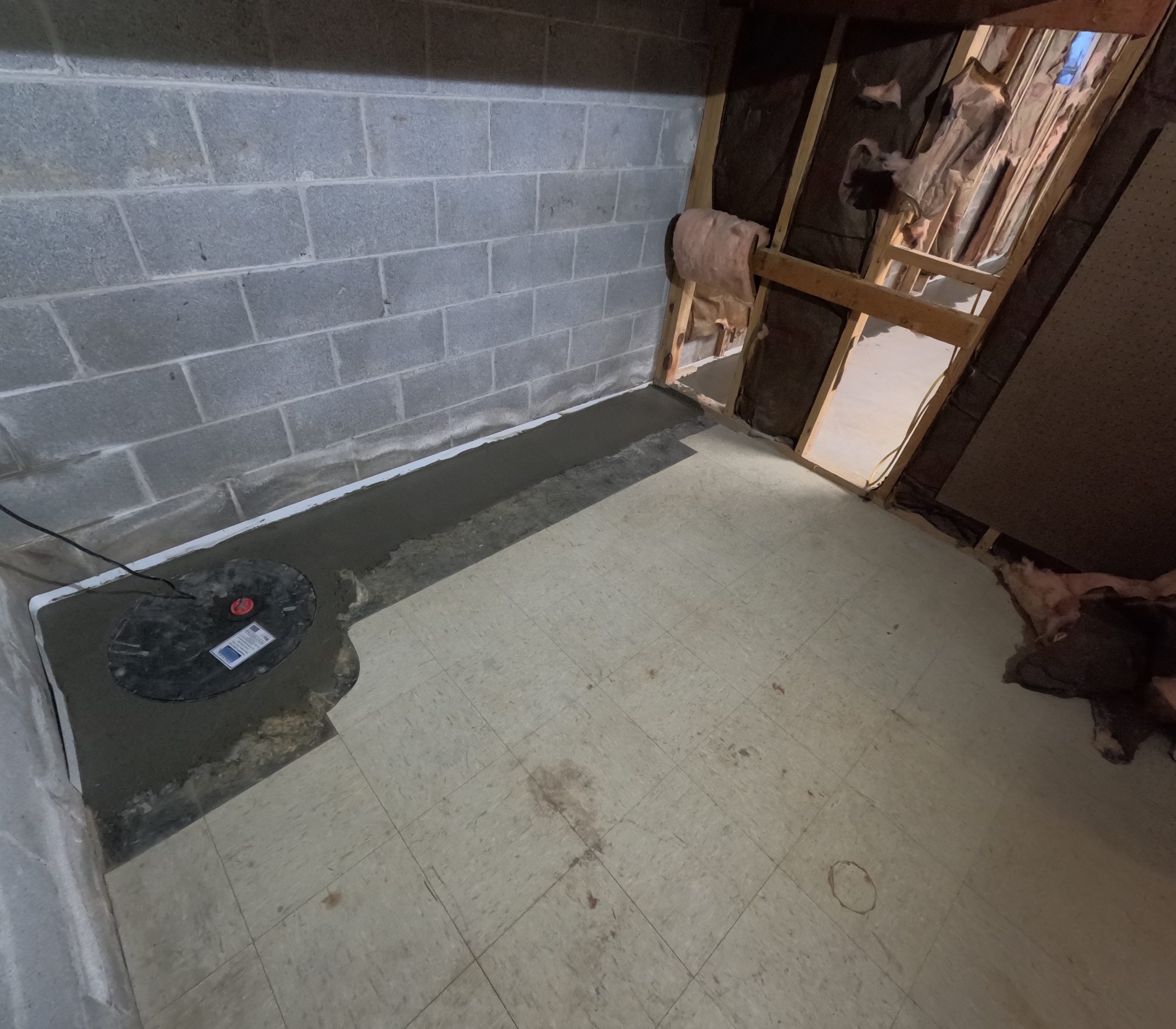 In the domain of home maintenance, understanding interior waterproofing is essential. It’s more than just a coat of paint or a layer of sealant. It’s a system designed to secure your home from water damage.
Imagine it as a shield, an invisible layer of protection that keeps water where it belongs – outside your home.
Now, you might ask, “Why do I need interior waterproofing?” Well, you need it to protect your home’s structure, especially the foundation, from potential water damage.
It’s not just about avoiding a wet basement or damp walls. It’s about ensuring the structural integrity of your home. Moisture can lead to a myriad of problems, from mold growth to wood rot to a weakened foundation.
The Importance of Drainage Matting
You might not realize it, but drainage matting plays an essential role in your home’s interior waterproofing system. This unsung hero helps direct water away from your foundation, preventing costly and damaging leaks. Without it, you’re leaving your home vulnerable to water damage, mold growth, and structural instability.
Imagine your house as a fortress. The drainage matting is like a moat, diverting the enemy – in this case, water – away from the castle walls. It’s a crucial component of your defense strategy, and it shouldn’t be overlooked.
| Role of Drainage Matting | Effect Without It | Potential Damage |
|---|---|---|
| Directs water away from foundation | Water pools near foundation | Structural damage |
| Prevents leaks into interior spaces | Water seeps into home | Property damage, mold growth |
| Reduces hydrostatic pressure | Increased pressure on foundation | Cracks, leaks, structural instability |
Don’t underestimate the importance of drainage matting. It’s a small investment that can save you from significant headaches down the line. So, when planning your interior waterproofing strategy, make sure to include it. Remember, a good defense is the best offense.
Types of Drainage Matting
Having established the essential role of drainage matting in interior waterproofing, let’s move on to the different types available.
The most common type you’ll come across is dimpled polyethylene matting. It’s loved for its high drainage capacity, robustness, and versatility. The dimples create air gaps and allow water to flow freely to a drainage system, protecting your building’s interior from moisture damage.
Another available type is the geocomposite drainage mat. It’s a bit more sophisticated, combining geotextiles and geonets. Water is effectively captured and channeled away while the geotextile filters out dirt, preventing clogging.
Then there’s the rubber drainage mat, typically used in commercial kitchens and bars. They’re slip-resistant, reducing the risk of accidents in wet areas. However, they’re not as effective for large-scale water drainage, making them less suitable for extensive interior waterproofing.
Lastly, you’ll find the perforated plastic drainage mat. Designed with small holes throughout, they direct water straight into your drainage system, providing reliable waterproofing protection.
Installing Drainage Matting Correctly
Let’s plunge into the nuts and bolts of installing your drainage matting correctly.
First off, you’ll want to guarantee your foundation wall is clean, dry and smooth. Any debris or rough spots could potentially damage your matting.
Next, measure the height and width of the wall to calculate how much matting you’ll need. Don’t skimp on this step, you don’t want to fall short halfway up the wall.
Now, you’re ready to roll out the matting. Start from the bottom and work your way up, guaranteeing that the matting is flat against the wall. If it’s not laying flat, it won’t do its job effectively.
Use a utility knife to cut the matting to the correct size, and remember to always cut a little extra, just in case.
Secure the matting to the wall using a specialized adhesive or mechanical fasteners. Make sure it’s firmly attached, as loose matting can lead to water seepage.
Lastly, you’ll want to install a drainage pipe at the base of the matting to collect and reroute the water. Guarantee it’s properly connected and sealed to prevent any leaks.
And that’s it! You’ve successfully installed your drainage matting.
Maintenance Tips for Drainage Matting
While it may seem that your job is done once you’ve installed your drainage matting, it’s crucial to remember that regular maintenance can extend its lifespan and enhance its performance.
Don’t let this task daunt you – it’s less complicated than you might think.
To begin with, routinely inspect your matting for any signs of wear and tear. If you find any damaged areas, you’ll want to replace these sections promptly to prevent water from accumulating and causing further damage.
In addition, verify that the drainage matting remains free from blockages. Dirt and debris can easily clog your matting, which then impedes the flow of water.
By regularly cleaning your matting, you’ll keep it functioning effectively. Use a mild detergent and water to gently scrub the surface, then rinse thoroughly.
Be careful not to scrub too vigorously as this can damage the matting.
Common Mistakes to Avoid
Avoiding common mistakes can make a significant difference in the longevity and effectiveness of your drainage matting.
One prevalent mistake you might make is selecting the wrong type of matting. Not all mats are created equal; some are designed for heavy-duty use, while others aren’t. Always choose a mat that suits your specific needs.
Another mistake you need to avoid is improper installation. If you don’t install the mat correctly, it won’t serve its purpose. Make sure you follow the manufacturer’s instructions to the letter.
A third common error is neglecting maintenance. Yes, drainage mats are designed to be durable, but they still require regular upkeep to function effectively. Don’t assume they’re indestructible.
Evaluating Your Waterproofing Strategy’s Success
Now that you’ve implemented your waterproofing strategy, it’s vital to evaluate its success.
Are you effectively spotting potential issues and gauging the overall efficiency of your waterproofing?
Let’s talk about how you can measure improvements in your strategy and guarantee your interior remains dry and damage-free.
Assessing Waterproofing Efficiency
Getting the most out of your interior waterproofing system involves more than just installation. It’s about evaluating the system’s efficiency and making sure it’s doing its job effectively. Remember, a well-executed waterproofing strategy should keep your interior dry and free from dampness.
To evaluate the efficiency of your waterproofing system, you’ll need to undertake a careful review. Start by checking the effectiveness of your drainage matting. Is it channeling water away from the walls and floor as it should? A properly functioning drainage matting system should direct water toward your sump pump or drain.
Next, observe if there’s any visible moisture on your walls or floors. If there is, your waterproofing system mightn’t be as efficient as it should be. Check the humidity levels in your interior spaces too. A higher-than-normal humidity level could indicate a less efficient system.
Lastly, pay attention to any musty odors. This could be a sign of hidden moisture, suggesting your waterproofing isn’t quite up to snuff.
Spotting Potential Issues
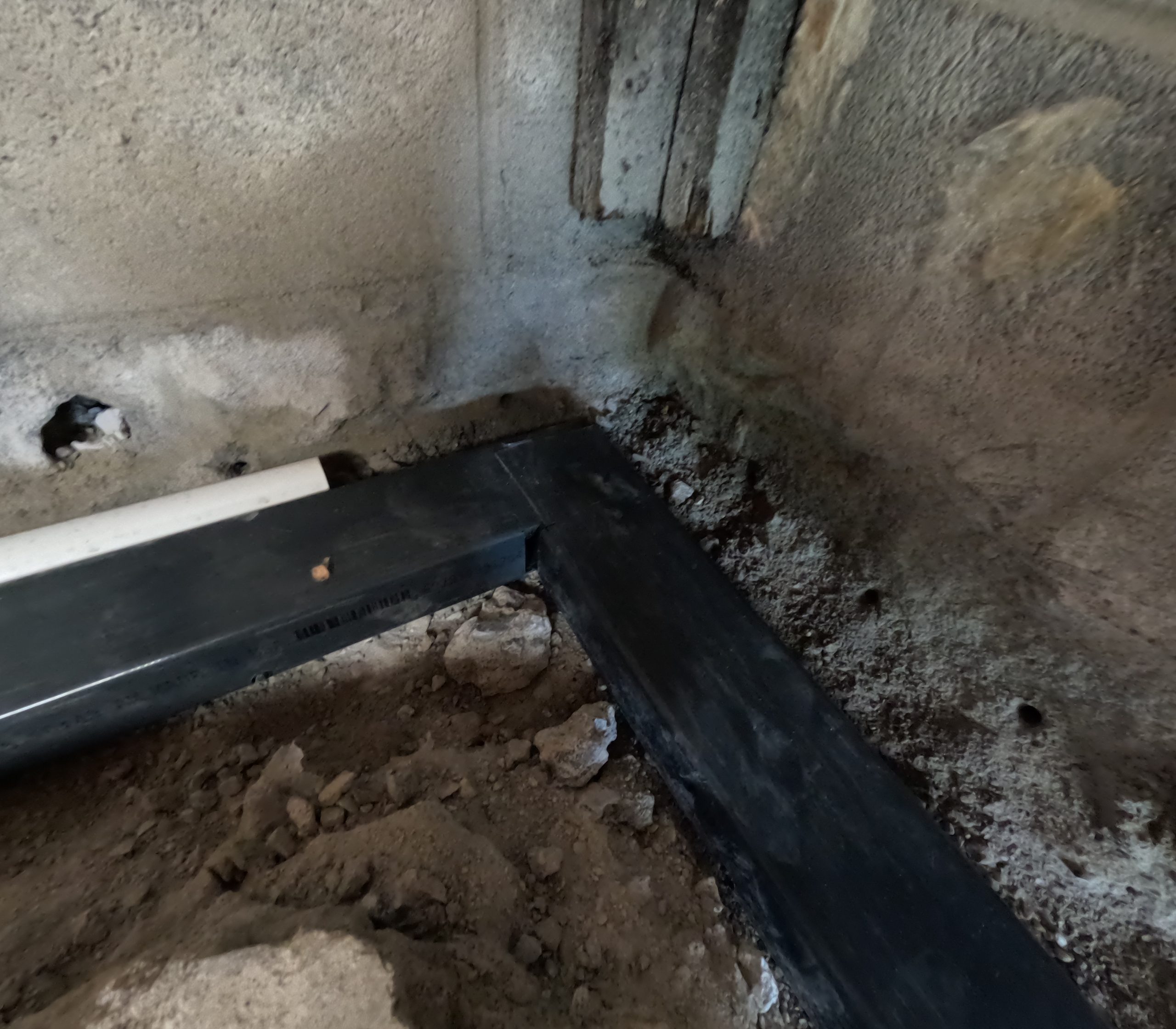 Regularly examining your interior waterproofing system can reveal potential issues before they escalate.
Don’t wait until it’s too late! Spotting problems early on can save you time, money, and a lot of hassle down the line.
Start by checking for visible signs of moisture. This could be anything from condensation on walls, floors or windows to actual puddles of water.
These are clear indicators that your waterproofing strategy isn’t quite up to scratch. Don’t ignore mold either. If it’s appearing, your waterproofing system isn’t doing its job properly.
Secondly, look for structural damage. Cracks in the walls or floor, bowing walls, or uneven flooring can all be signs that water is wreaking havoc on your property.
You should also keep an eye out for damp or musty smells as these can indicate an ongoing moisture issue.
Finally, pay attention to your drainage matting. Is it becoming discolored or starting to smell?
That’s a sure sign that it’s not effectively directing water away from your home and you need to take action.
Measuring Strategy Improvements
After implementing changes to your waterproofing strategy, it’s vital to measure the improvements.
You’ve taken great strides to keep your space dry, now it’s time to see if your efforts paid off. It’s important to evaluate your waterproofing strategy’s success not only for peace of mind but also to guarantee you’re not wasting resources on ineffective solutions.
To conduct your assessment, you can use several methods. Start by visually inspecting your space. If there are no signs of dampness or water damage, your strategy seems to be working.
Feeling that sense of accomplishment yet? Good! Now, let’s dig deeper:
- Take note of any changes in humidity levels. Lower humidity is a sign that your strategy is effective.
- Observe any changes in the building’s smell. If musty odors have disappeared, it’s a clear indication that your waterproofing measures are working.
- Look for mold and mildew. If there’s less of these nuisances or they’re gone entirely, you’ve made solid progress.
In wrapping up, using drainage matting in your interior waterproofing strategy is a savvy move. Choose the right type, install it correctly, and keep it well-maintained. Avoid common pitfalls and continually assess your strategy’s effectiveness. With these steps, you’ll effectively combat water damage. Remember, a dry home is a happy home!

