
Just like a ship’s captain must decide on the best materials to keep the vessel afloat, you too must make critical decisions when it comes to waterproofing your basement. It’s not as simple as picking a product off the shelf; you need to evaluate the specific needs of your basement, the quality of materials, and their long-term effectiveness. But how do you navigate through the sea of waterproofing materials available in the market? Stay with me, and let’s explore this together.
Understanding Basement Waterproofing
In order to effectively safeguard your home from potential water damage, understanding basement waterproofing is vital. This process reduces the risk of water seeping into your basement, thereby preventing property damage, mold growth, and structural instability. It’s an essential component of home maintenance that you can’t afford to overlook.
Basement waterproofing isn’t a one-size-fits-all solution. It involves evaluating your home’s unique needs and determining the best approach based on factors such as your home’s age, construction type, and geographical location.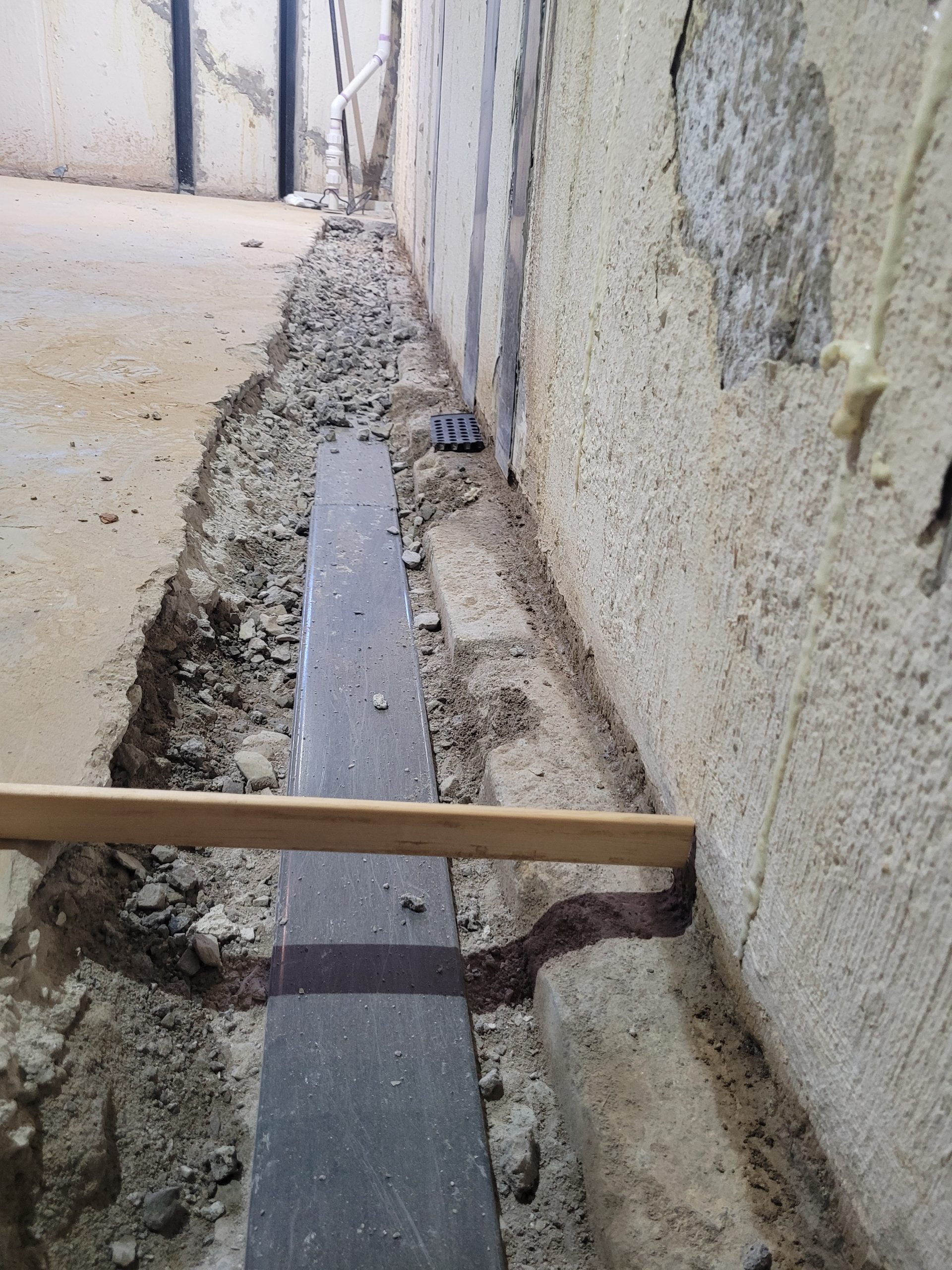
For instance, homes in flood-prone areas might require more extensive waterproofing methods, while older homes might need additional structural reinforcement.
It’s also important to understand the difference between interior and exterior waterproofing. Interior waterproofing, often referred to as a “negative side” solution, involves addressing water that’s already made its way into your home.
On the other hand, exterior waterproofing, a “positive side” solution, seeks to prevent water from entering in the first place.
Ultimately, effective basement waterproofing is a combination of the right strategies, materials, and professional expertise. It’s about making informed decisions that will protect your home in the long run.
Types of Waterproofing Materials
After grasping the basics of basement waterproofing, let’s move onto the materials you should consider for this task.
There are primarily three types of waterproofing materials you might find suitable: cementitious waterproofing, liquid waterproofing membranes, and bituminous coating.
Cementitious waterproofing is a popular choice due to its ease of application. It’s a rigid type of waterproofing, ideal for internal areas that aren’t exposed to sunlight or weathering, like a basement. It’s also a good fit for areas that are wet but not necessarily exposed to severe dampness.
Liquid waterproofing membranes, on the other hand, offer a more flexible option. These membranes are applied in a liquid form and then dry to create a seamless, waterproof barrier. They’re especially effective for flat or sloping surfaces and can be used both internally and externally.
Lastly, bituminous coating, or asphalt coating, is a semi-flexible waterproofing material that’s robust and highly resistant to harsh weather conditions. It’s often used in areas that are constantly wet.
However, it’s not UV-stable, so it needs to be covered if used externally.
Understanding these materials will help you choose the right one for your basement’s specific needs.
Pros and Cons of Different Materials
As you evaluate waterproofing material options for your basement, it’s essential to weigh the benefits and drawbacks of each.
Different materials offer unique advantages that may suit your specific needs, but they also come with potential downsides to take into account.
Understanding these pros and cons will guide your decision-making process, helping you choose the most effective solution for your basement.
Evaluating Waterproofing Material Options
While evaluating your waterproofing material options, it’s crucial to balance both their benefits and drawbacks, as this will significantly impact your basement’s long-term durability.
You’ve got a variety of materials to examine, each with distinct strengths and weaknesses.
Concrete waterproofing coatings, for instance, are robust and long-lasting, but they aren’t suitable for previously painted walls. On the other hand, silicate-based concrete sealers, compatible with painted walls, can’t be used on concrete block or brick walls.
Then you’ve got waterproofing paint, which is easy to apply but often requires multiple coats for effective protection. This option might be more time-consuming than you’d prefer.
Alternatively, plastic sheets and panels are useful in keeping out water, but they’re not meant to seal against high water pressure.
Lastly, reflect on the interplay between cost and effectiveness. While a cheaper option may seem attractive upfront, remember it mightn’t provide the same level of protection or longevity as a more expensive solution.
In essence, your choice of waterproofing material should hinge on your basement’s specific needs, your budget, and the degree of protection you desire.
Benefits of Different Materials
Diving right into the details, it’s crucial to understand the unique benefits and drawbacks of each waterproofing material.
Let’s start with concrete waterproofing coatings. They’re highly effective and adhere permanently to concrete and masonry walls. However, they can’t be applied to painted surfaces.
Silicate-based concrete sealers, or densifiers, are also a good choice. They’re easy to apply, penetrate deeply into the concrete, and react chemically to create a hardened, waterproof surface. However, they’re not recommended for painted or sealed surfaces.
Elastomeric membranes are another option. They’re flexible, durable, and capable of bridging cracks in the concrete. They can be applied to both interior and exterior surfaces. But, they’re more expensive and require professional installation.
Plastic sheets and panels are a cost-effective solution. They can be installed quickly and are effective at keeping out water. However, they can’t stop water vapor from entering the basement.
As for waterproofing paint, it’s easy to apply and relatively inexpensive. But, keep in mind, it’s not as durable as other options and may need to be reapplied periodically.
Potential Drawbacks to Consider
Now that you’ve got a handle on the benefits of various waterproofing materials, it’s worth considering the potential drawbacks.
For instance, while cementitious products are easy to use and affordable, they’re not always flexible. As a result, they can crack over time, especially when used in areas prone to ground movement.
Bituminous coatings, on the other hand, are highly flexible but they emit strong odors and can be messy to apply. They’re also susceptible to UV damage, so they’re not ideal for locations exposed to sunlight.
Silicate-based sealers are great for poured concrete walls, but they’re not recommended for cinder block walls. They can’t be applied to painted surfaces either, limiting their versatility.
Polyurethane and epoxy resin coatings are highly durable and flexible, but they’re also among the most expensive options. In addition, their application can be labor-intensive and time-consuming.
Lastly, waterproofing paints are user-friendly and inexpensive, but they provide only a temporary solution. They can peel or blister over time, necessitating frequent reapplications.
Assessing Your Basement’s Needs
Before selecting a waterproofing material, it’s essential to accurately assess your basement’s needs.
Start by identifying any existing issues such as seepage, condensation, or structural dampness.
With a clear understanding of these problems, you can then choose the most appropriate waterproofing material to effectively combat and prevent further issues.
Identifying Basement Issues
In order to effectively waterproof your basement, it’s essential, as a first step, to identify any existing issues. These can range from minor seepage problems to major structural concerns.
You’ll need to inspect your basement thoroughly, paying careful attention to walls, floors, and even the ceiling. Look for signs of moisture or water damage such as mold, mildew, or water stains. These are clear indications of seepage issues.
Notice any cracks or fractures in the walls or floor, which could be allowing water to penetrate. Don’t overlook peeling paint, efflorescence – a white, powdery substance on the walls – or a musty smell, all of which can indicate moisture problems.
Check the grading around your house. If the ground slopes towards your home, rainwater may be directed towards your basement, causing potential water issues.
Observe your downspouts and gutters. Are they directing water away from your home? Lastly, examine your sump pump, if you have one. Is it functioning properly?
Standing water or dampness around the sump pump can be an indication of issues. Remember, correctly identifying the problems is the key to finding the right waterproofing solution.
Selecting Appropriate Materials
Have you accurately identified your basement’s issues? It’s essential to assess your basement’s needs before selecting appropriate waterproofing materials. A one-size-fits-all approach won’t work. The material you choose should effectively address the specific problems your basement faces.
Water intrusion, for instance, demands a water-resistant material, like a liquid or sheet-based membrane. These coatings adhere to your walls and floors, creating a barrier against moisture. If there’s a high level of humidity, consider using a dehumidifier in conjunction with your waterproofing materials.
For structural issues, like cracks or bulges, you’ll need a more robust solution. A combination of cement-based products, waterproofing sealers, and crack injections might be necessary.
Remember, these issues often signal serious foundational problems, so don’t skimp on the quality of materials.
Consider the basement’s use as well. If you’re planning to finish the basement, select materials that can withstand the additional moisture from drywall or carpet.
Ultimately, investing in quality waterproofing materials that are suited to your basement’s specific conditions will help guarantee its longevity and prevent costly repairs down the line.
After all, it’s not just about making your basement watertight; it’s about making it right for you.
Top Waterproofing Brands to Consider
Traversing the sea of waterproofing brands can feel overwhelming, but there are a few standout names you should consider.
Drylok, for instance, is a well-respected brand that offers a variety of water-blocking products, including waterproof paints and sealers, with excellent customer reviews to back their quality.
Another brand worth investigating is RadonSeal. They’re known for their penetrating concrete sealers that not only prevent water seepage but also combat radon gas, a common issue in some basements.
Then there’s Ames Research Laboratories, which boasts products with superior adhesive and elastic properties to keep your basement dry, even in extreme conditions.
They offer coatings and sealers that are highly resistant to cracking, peeling, and mold growth.
Finally, consider DAMTITE, a brand that excels in providing long-lasting waterproofing solutions.
Their products are designed to resist high hydrostatic pressure, which is essential in damp basements.
Choosing between these brands ultimately depends on your basement’s specific needs.
Take into account the severity of your water issue, the type of your basement (finished or unfinished), and your budget.
Installing Your Chosen Material
After selecting the ideal waterproofing material for your basement, the next step is to confirm a proper installation. This can be a tricky process, so listen up.
You’ll need to start by cleaning the surface. It’s vital that you remove any existing paint, loose concrete, or debris. The surface needs to be as clean and smooth as possible to guarantee the waterproofing material adheres properly.
Next, apply the waterproofing coating. Be meticulous, make sure you cover every inch of the surface, especially those hard-to-reach corners. You’ll want to use a brush for this, as rollers often miss spots. A second coat is typically needed, but always check the manufacturer’s instructions.
Once you’ve coated the surface, it’s time to install a drainage system. This is usually a perforated pipe installed at the base of the wall, leading to a sump pump. It’s essential because it collects and disposes of any water that does get through.
Lastly, test your work. After everything has dried, spray some water on the surface to check if it’s indeed waterproof. If you’ve done everything correctly, you’ll have a dry and safe basement for years to come.
In wrapping up, you’ve got all you need to choose the right waterproofing material for your basement. Remember, it’s not just about today’s moisture trouble, but also tomorrow’s peace of mind. So, don’t be a dinosaur – adapt and evolve your decision based on your basement’s unique needs and the material’s long-term performance. Here’s to a dry, cozy basement that stands the test of time, just like Rome wasn’t waterproofed in a day!


