Because every home is built on a unique footprint and soil composition, foundation repair is not a one-size-fits-all service. However, understanding the factors that drive costs can help you budget effectively, avoid high-pressure sales tactics, and make an informed decision to protect your home’s structural integrity and equity.
Average Cost Ranges for Foundation Repair in Roanoke (2026)
In 2026, the average foundation repair project in the Roanoke Valley ranges between $4,500 and $15,000. Minor cosmetic repairs can cost as little as $800, while severe structural remediation requiring extensive steel piering can reach $25,000 or more. Below is a breakdown of average costs by repair type:
- Minor Crack Injection & Polyurethane Sealing: $800 – $2,500
Best for non-structural hairline cracks in concrete slab or poured basement walls to prevent water intrusion. - Bowing Wall Stabilization (Carbon Fiber Straps): $4,000 – $8,500
Used when basement walls are leaning inward (less than 2 inches) due to soil pressure. High-tensile carbon fiber grid straps freeze the wall in place. - Wall Anchors & Steel I-Beams: $6,000 – $12,000
Necessary for severe wall bowing (over 2 inches) where lateral soil pressure must be countered by pulling the wall back outward over time. - Deep Foundation Piering (Helical or Push Steel Piers): $10,000 – $22,000+
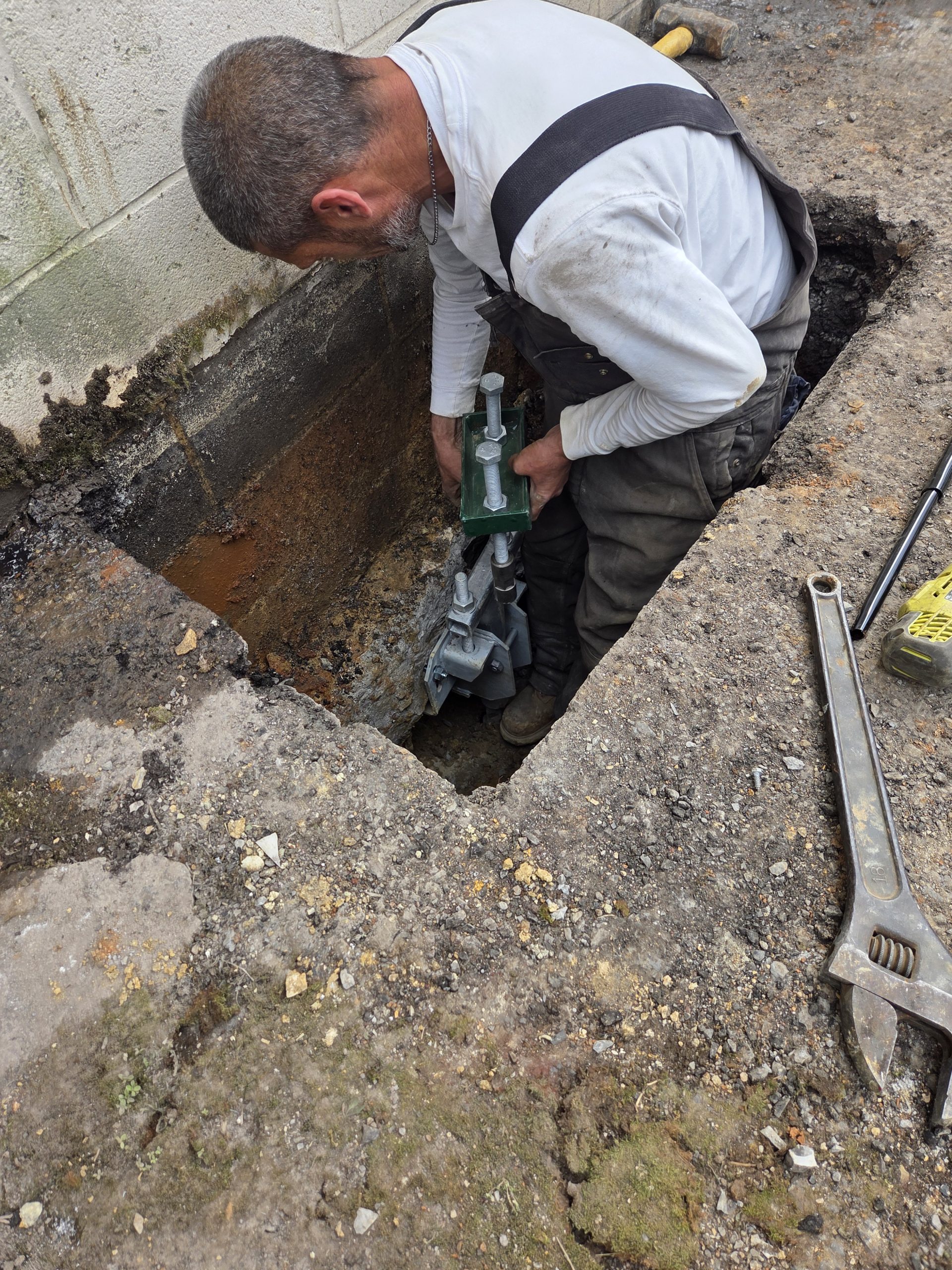
Required when a foundation is settling or sinking. Steel piers are hydraulically driven deep into the ground until they anchor into stable bedrock or load-bearing strata to lift and stabilize the footings. Average cost runs $1,500 to $3,000 per pier installed. - Comprehensive Structural Remediation & Drainage: $15,000 – $35,000+
Combines structural piering or wall reinforcement with interior perimeter drainage and sump pump installation to solve both structural movement and water management simultaneously.
Key Factors That Influence Your Project Estimate
Why do prices vary so significantly between homes on the same street? Contractors determine project costs based on four main structural variables:
- Extent of Structural Movement: A wall that has tipped inward by half an inch requires a vastly different engineering solution than a wall that has sheared horizontally at the mortar joint. The total inches of displacement directly dictate the hardware required.
- Roanoke Soil Topography and Depth to Bedrock: Southwestern Virginia features heavy clay soil that expands dramatically when wet and contracts when dry. When installing deep piers, the price is tied to how deep installers must drive steel shafts through active clay layers until reaching certified load-bearing torque against solid bedrock.
- Accessibility: Working in a low-clearance crawl space or maneuvering heavy hydraulic equipment around tight property lines, paved driveways, decks, or extensive landscaping requires specialized machinery and added labor hours.
- Hydrostatic Water Relief: Repairing a foundation wall without relieving the underlying hydrostatic water pressure pushing against it is only a temporary fix. Pairing structural wall stabilization with an interior French drain system adds to upfront costs but guarantees long-term performance.
The Financial Risk of Delaying Foundation Repairs
It can be tempting to ignore small wall cracks, but structural foundation issues never self-correct—they only compound over time. A minor bowing wall that could be stabilized today with carbon fiber straps for $4,500 can easily evolve into a total structural failure requiring full excavation, wall rebuilds, and structural framing repair exceeding $25,000 after a few wet seasons.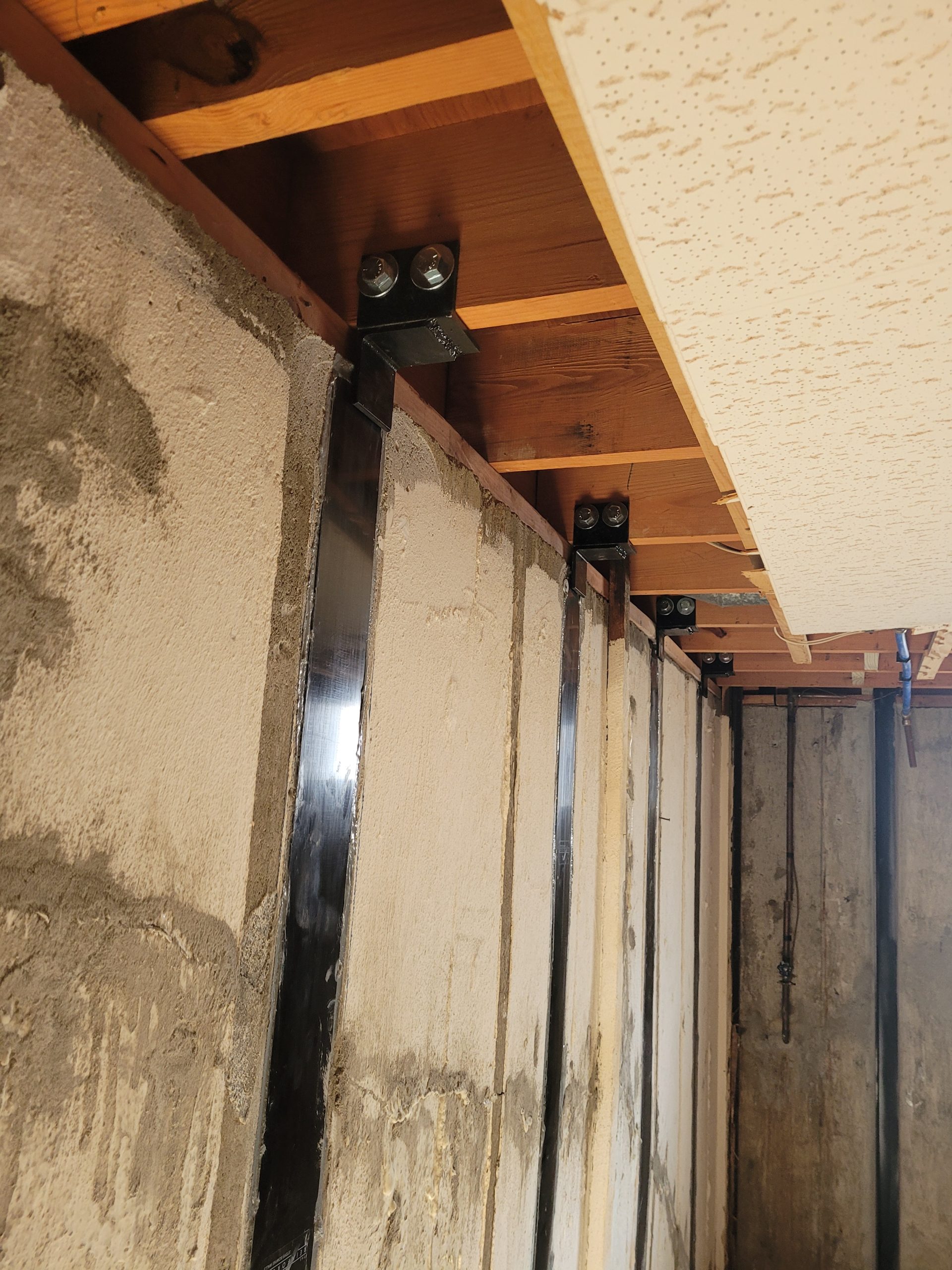
Furthermore, unaddressed structural defects destroy home equity. When listing a property on the market, home inspectors will flag structural movement immediately. Unrepaired foundations typically force sellers to offer massive price concessions ($20,000+) or risk buyers walking away entirely. Investing in a permanent fix backed by a transferable lifetime warranty protects both your living environment and your property’s resale market value.
Frequently Asked Questions