
Your home is likely the most significant investment you will ever make. However, the ground beneath it is constantly shifting. Soil expansion, contraction, and poor drainage can lead to structural instability, making foundation repair a critical necessity for many homeowners. Ignoring the early warning signs of a failing foundation does not just lower your property value; it puts the safety of your family at risk. In this comprehensive guide, we will explore the essential methods of foundation repair, how to identify problems early, and why professional intervention is the only way to ensure long-term stability.
Why Foundation Repair Cannot Wait
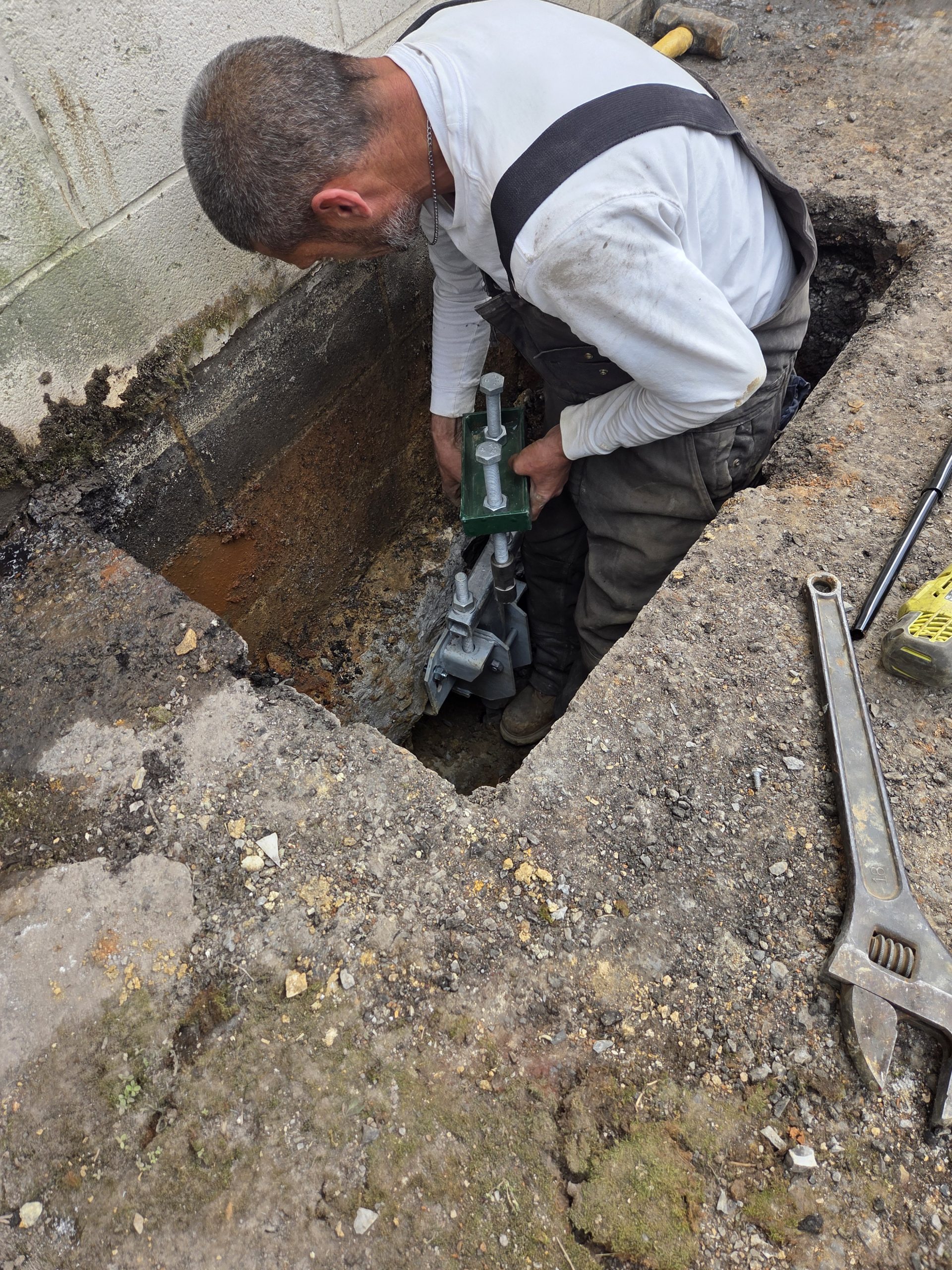
Foundation issues are progressive. What begins as a small hairline crack in the basement wall can quickly evolve into a major structural failure. When the foundation shifts, it affects every other part of the house. You may notice windows that no longer lock, doors that rub against the frame, or gaps forming between the walls and the ceiling. These are not merely cosmetic nuisances; they are symptoms of a building under immense stress.
The cost of foundation repair is often a concern for homeowners, but it is important to view it through the lens of asset protection. A home with documented foundation issues is nearly impossible to sell on the traditional market. By addressing these concerns early with modern foundation repair techniques, you restore the equity in your home and prevent the exponential increase in repair costs that occurs when the structure reaches a breaking point.
Common Methods of Professional Foundation Repair
There is no one-size-fits-all solution for structural issues. The method chosen by an expert depends heavily on the soil composition and the type of foundation your home possesses.
Piering and Underpinning

Piering involves driving steel or concrete pillars deep into the earth to reach more stable soil or bedrock. Once these piers are securely placed, the house is hydraulically lifted back to its original level. This is the gold standard for foundation repair when the cause of the problem is soil subsidence or “settling.”
Slab Jacking
For homes built on concrete slabs, slab jacking (or poly-leveling) is often the preferred route. This process involves drilling small holes into the slab and injecting a high-density polyurethane foam or a grout mixture underneath. As the material expands, it lifts the concrete slab back into place. It is a faster, less invasive alternative to total slab replacement.
Carbon Fiber Wall Reinforcement
If your foundation walls are bowing inward due to hydrostatic pressure from the outside soil, carbon fiber straps provide an incredible solution. These straps are bonded to the interior of the foundation wall using high-strength epoxy. Because carbon fiber does not stretch, it locks the wall in place and prevents further movement without the need for heavy excavation.
The Role of Soil and Drainage in Foundation Health
To truly solve a foundation problem, you must address the root cause, which is almost always water. In regions with expansive clay soil, the earth acts like a sponge. It swells when wet, pushing against your foundation, and shrinks when dry, leaving your foundation unsupported.
Effective foundation repair must be paired with a robust drainage strategy. This includes ensuring that gutters are clear, downspouts extend at least ten feet away from the house, and the landscape is graded so that water flows away from the structure. Without managing the moisture levels around your home, even the best foundation repair job may eventually succumb to the same environmental pressures.
What to Expect During a Foundation Inspection
A professional foundation repair specialist does more than just look at cracks. They perform a holistic evaluation of the property. This typically includes measuring the floor’s levelness using specialized equipment, checking the moisture levels in the crawl space or basement, and examining the exterior perimeter for signs of soil erosion.
The goal of the inspection is to provide a clear roadmap. You should receive a detailed report explaining exactly where the failure is occurring and which foundation repair method will provide the most permanent fix. Transparency is key; a reputable specialist will explain the “why” behind the recommendation, ensuring you feel confident in the plan to save your home.
Invest in Stability
Foundation repair is about more than just concrete and steel; it is about peace of mind. By choosing to address structural concerns head-on, you are ensuring that your home remains a safe, dry, and valuable environment for decades to come. Whether you are dealing with minor settling or significant wall bowing, the technology available today allows for permanent, warrantied solutions that can handle even the toughest soil conditions.


