You’ve probably heard the saying, “An ounce of prevention is worth a pound of cure.” This couldn’t be truer when it comes to basement waterproofing. It’s not just about keeping your basement dry; it’s about preserving your home’s integrity and fostering a healthier living environment. From interior drainage systems to exterior barriers, different methods serve unique purposes and conditions. But, how do you know which is right for you? And what about ongoing maintenance and early issue detection? Let’s explore these questions and more, as we plunge into the world of basement waterproofing essentials.
Basement Waterproofing
While many homeowners might overlook the importance of basement waterproofing, it’s an essential step in maintaining the structural integrity of your home. Ignoring this vital procedure can lead to structural damage, mold growth, and ultimately, a decrease in your property value.
It’s not just about avoiding a flooded basement during a heavy rainstorm; it’s about ensuring the longevity of your home’s foundation.
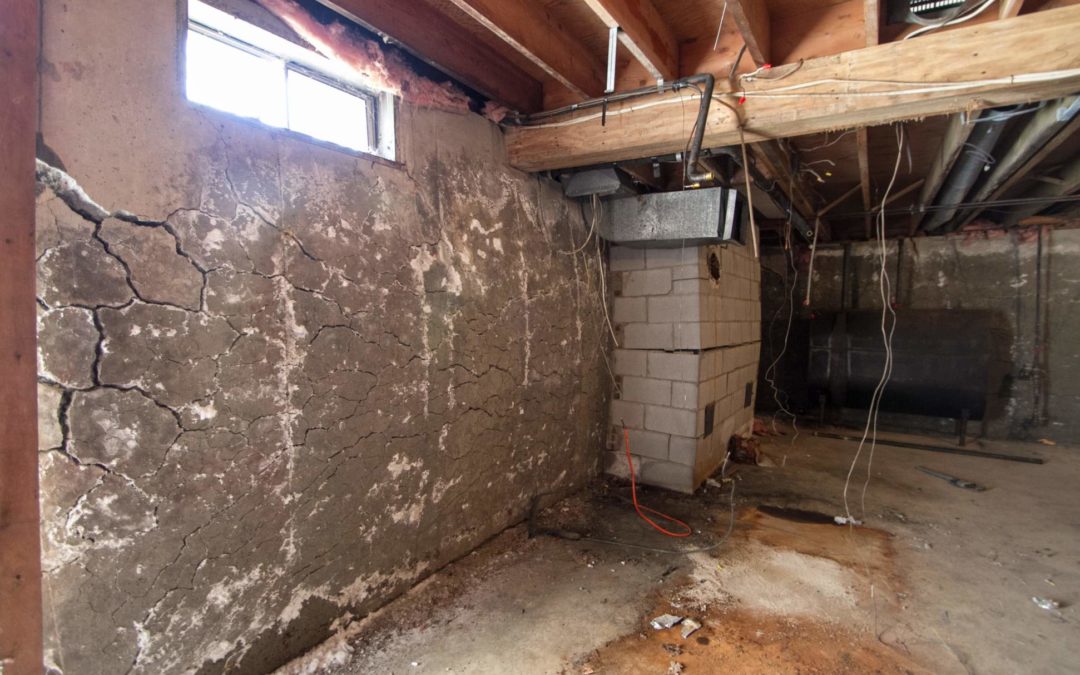
Water seepage can weaken the foundation, making your home susceptible to serious damage. Water can infiltrate through cracks, joints, and pores in the concrete, causing deterioration over time.
It’s not only the physical damage that’s worrying, but also the health issues that can arise. Moisture breeds mold and mildew, which can lead to respiratory problems, allergies, and other health issues for you and your family.
Therefore, basement waterproofing isn’t just a preventative measure, but also a health imperative. It’s not a matter of if you should waterproof your basement, but when.
Regular maintenance and checks can help detect potential issues before they escalate, saving you from costly repairs in the future.
Basement Waterproofing Methods
Steering through the myriad of basement waterproofing methods can feel overwhelming, but understanding the basics can help you make informed decisions about the best approach for your home.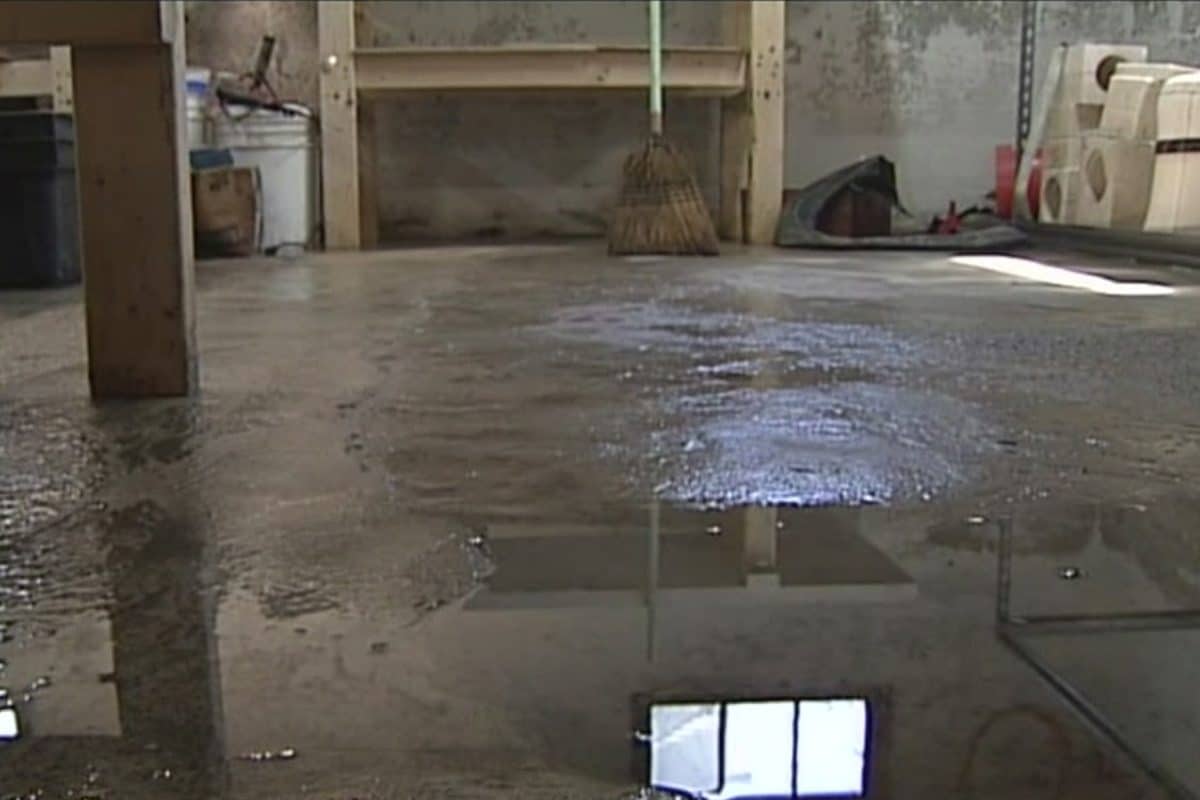
It’s crucial to identify the source of your basement water problem before choosing a method. But don’t worry, you’re not alone in this.
Interior water drainage is often your first line of defense. It’s a less invasive method that involves installing a drainage system beneath your basement floor to collect and redirect water. This method is effective, but it doesn’t stop water from entering your basement; it only manages it once it’s inside.
On the other hand, exterior waterproofing is a more all-encompassing approach. It involves digging around your home’s foundation, applying a waterproof barrier to the exterior walls, and installing a drainage system.
It’s a more labor-intensive and costly method, but it prevents water from entering your basement in the first place.
Ultimately, the best method depends on your home’s specific needs. It’s always wise to consult with a professional who can assess your situation and recommend the best course of action.
Conclusion
Securing your home’s worth and health is within your grasp. By implementing waterproofing methods like interior drainage systems or exterior barriers, you’re managing water infiltration effectively. Regular maintenance and monitoring allow early issue detection. Invest in basement waterproofing, it’s more than just an upgrade, it’s a safeguard for your property’s value and a ticket to a healthier living environment. Remember, a dry basement equals a healthy home.